Mount Bromo Sunrise Photography Tips — Best Spots, Gear & Settings
Mount Bromo Tour Package Editorial Desk Updated 26 Jun 2026 14 min read
Capturing the iconic Mount Bromo sunrise is a highlight for many visitors, and with the right `bromo sunrise photography tips`, you can transform your experience into a portfolio-worthy collection of images. As our team, the East Java Tours Editor here at Mount Bromo Tour Package, we’ve watched countless sunrises over the Tengger caldera, guiding photographers to the optimal `bromo sunrise photo best spots` and advising on the gear and settings that truly make a difference. This guide will walk you through everything you need to know for a successful `mount bromo sunrise photography tour`, from choosing your vantage point to dialing in your camera for that perfect shot.
Why Mount Bromo is a Photographer’s Dream (and Challenge)
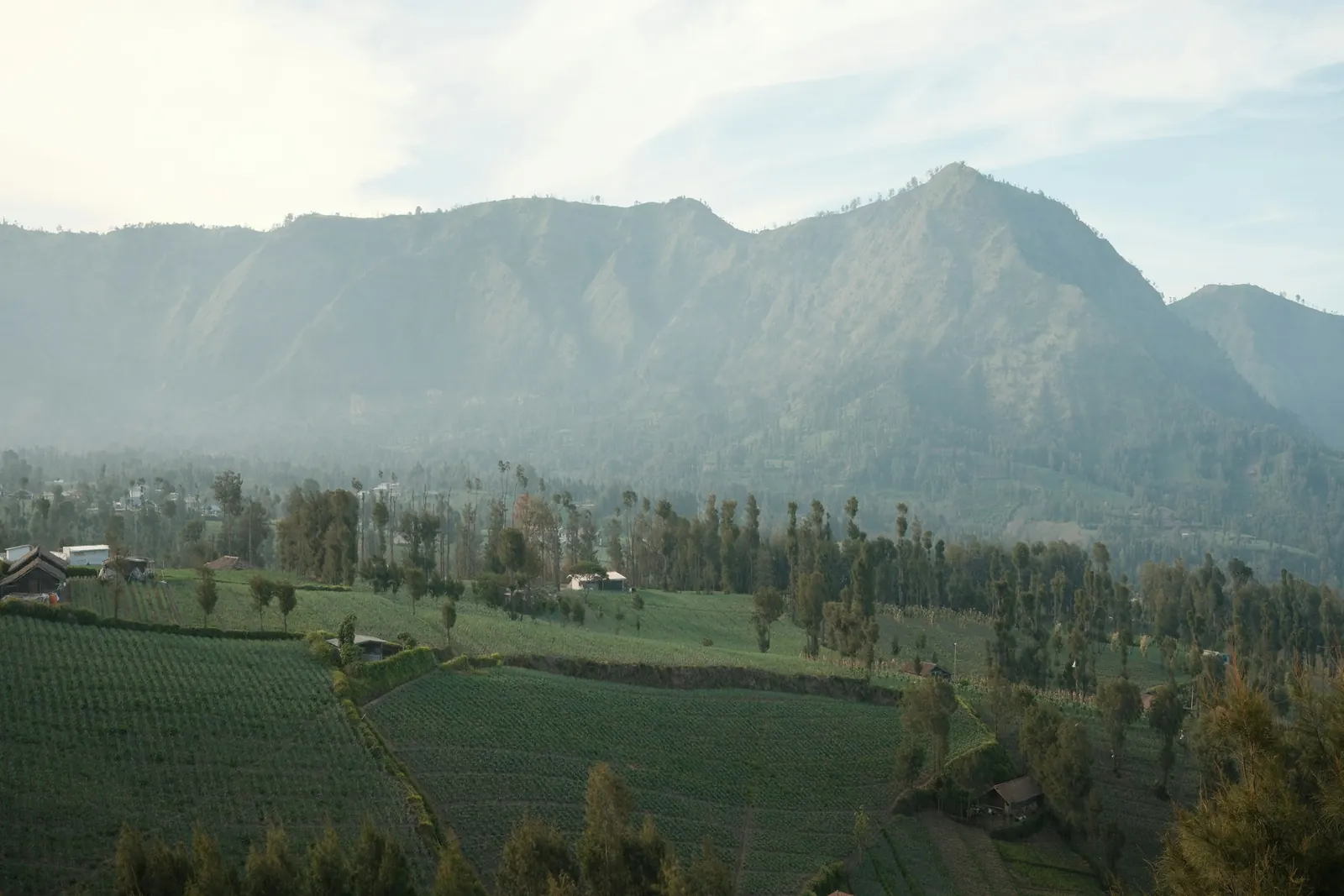
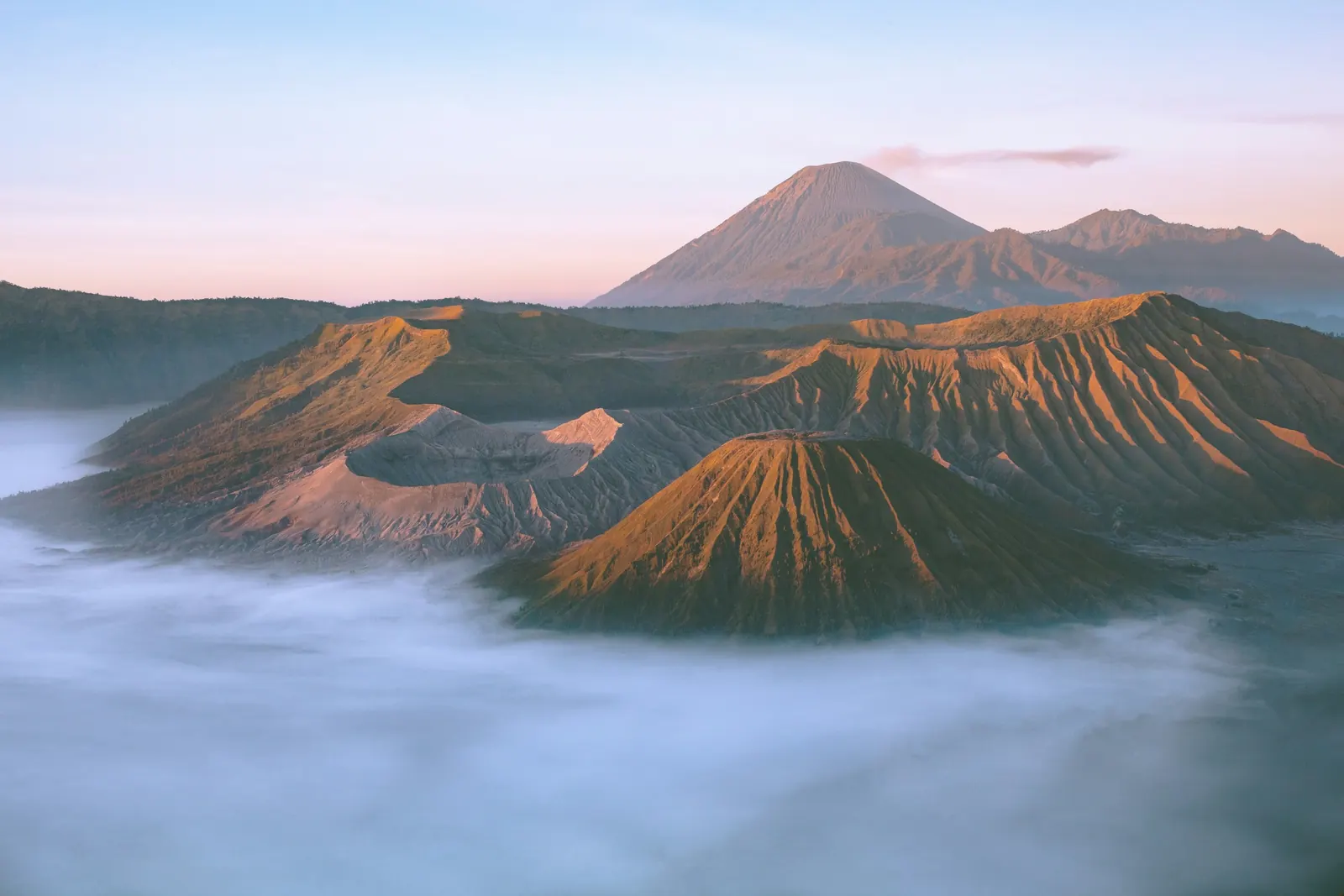
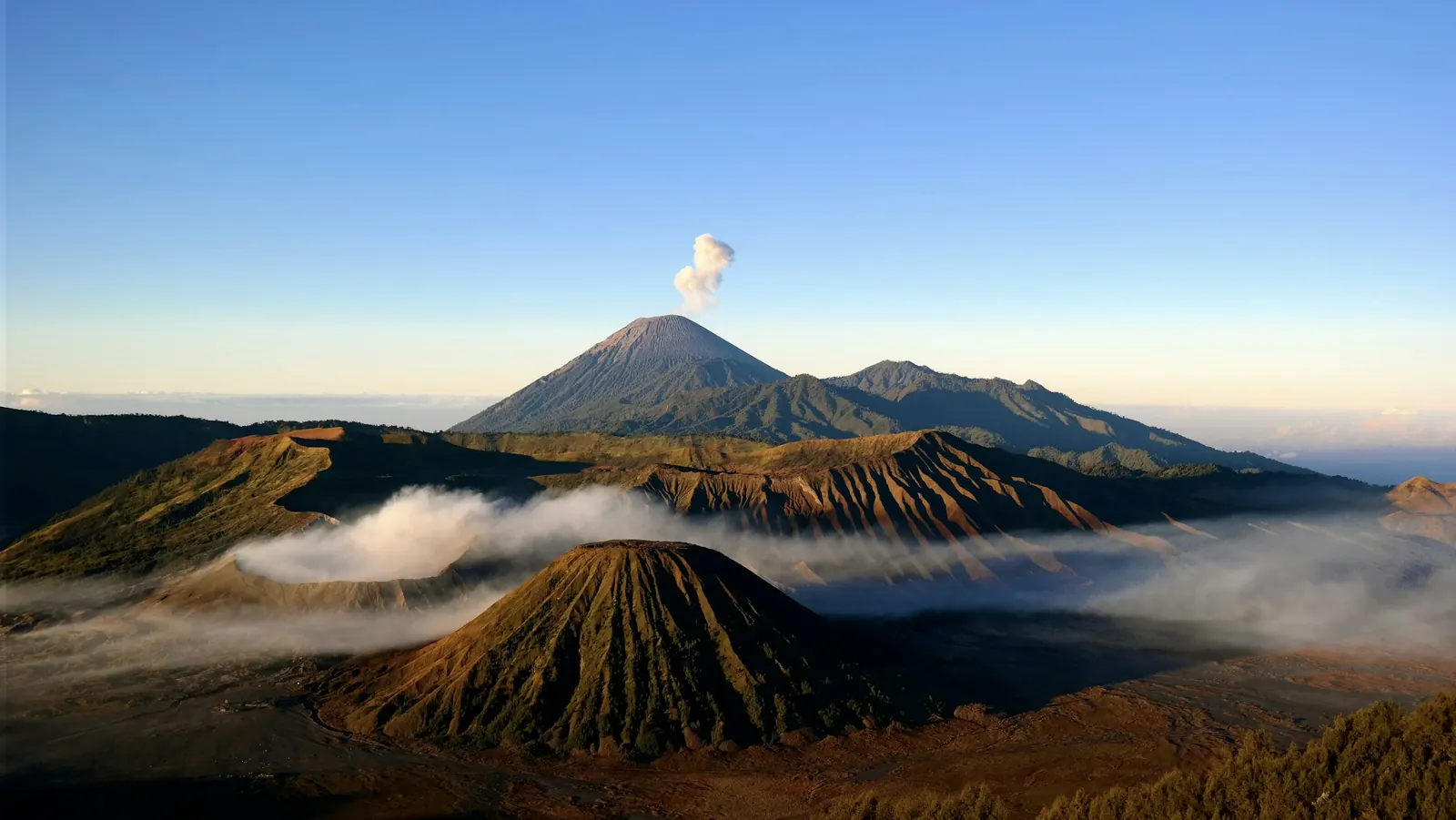
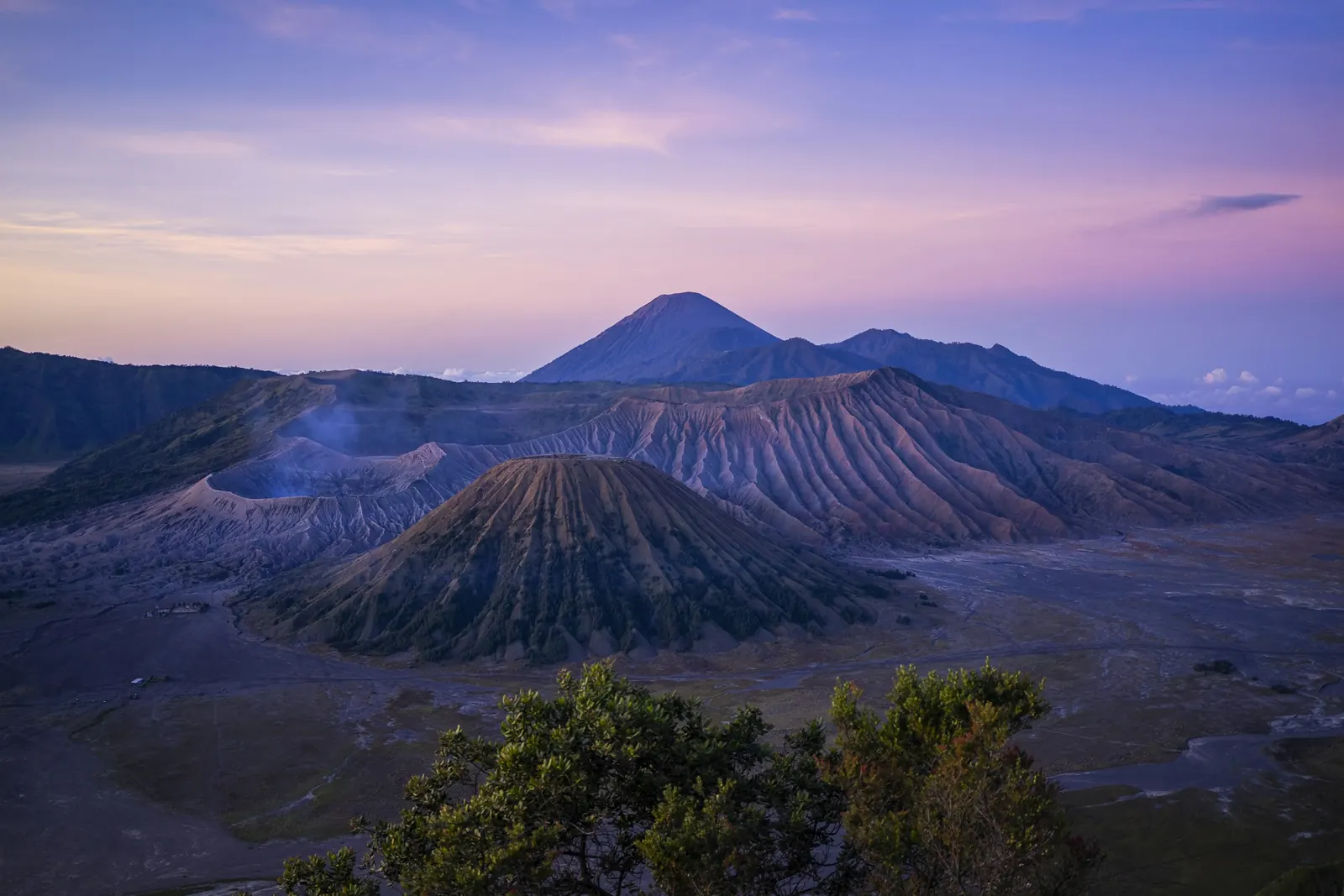
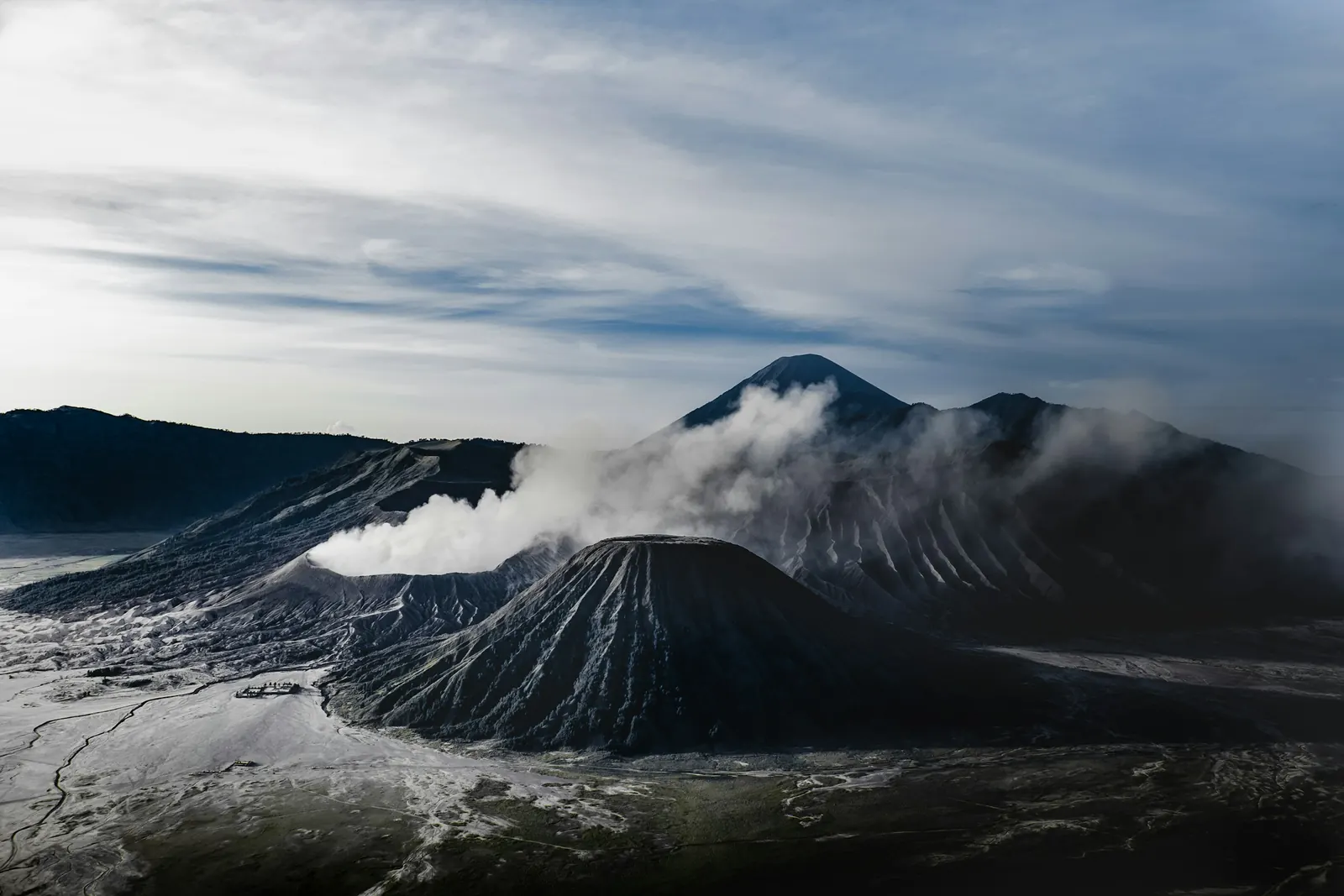
Mount Bromo presents a landscape unlike any other. The vast Tengger caldera, with its undulating sea of sand, the smoking Bromo crater, and the towering peaks of Mount Semeru in the distance, creates a dramatic backdrop for sunrise photography. The light changes rapidly, shifting from deep blues to vibrant oranges and purples, then to the golden warmth of morning. It’s an environment that rewards preparation and understanding of light.
However, it’s also a challenging location. You’ll be shooting in pre-dawn darkness, often in temperatures ranging from 0 to 10°C at altitudes around 2,500 meters. Crowds can be an issue at popular viewpoints, and dust from the jeep tracks and caldera floor can impact your gear. This `mount bromo photography tips` guide is built on practical, field-tested advice to help you navigate these challenges and make the most of your photographic opportunity.
Choosing Your Vantage Point: Best Spots for Bromo Sunrise Photos
Selecting the right viewpoint is crucial for your `bromo sunrise photo best spots`. Each offers a slightly different perspective, light, and crowd level. The classic choice is Penanjakan 1, but alternatives like King Kong Hill and Bukit Cinta provide unique advantages for photographers.
Penanjakan 1: The Classic Panorama
Altitude: Approximately 2,770 meters above sea level.
View: The most iconic, panoramic view of the entire Tengger caldera, including Mount Bromo, Mount Batok, and Mount Semeru smoking in the far distance.
Pros: Unobstructed, expansive vista. This is the postcard shot.
Cons: Extremely popular, meaning it can get very crowded, especially during peak season. Securing a prime spot requires arriving exceptionally early, often by 3:00-3:30 AM. Tripod space can be limited.
To manage the crowds at Penanjakan 1, our private Bromo tours often aim for the earliest possible departure, allowing you to stake out a spot before the main rush. This early start, typically around 2:30 AM from local Bromo hotels, is a key advantage for serious photographers.
King Kong Hill (Bukit Kedaluh): A Strong Alternative
Altitude: Approximately 2,680 meters above sea level.
View: Similar to Penanjakan 1 but from a slightly lower and different angle. The profile of Mount Bromo and Mount Batok can appear more prominent against the caldera. Offers a fantastic perspective, sometimes feeling closer to the action.
Pros: Generally less crowded than Penanjakan 1, offering more elbow room for tripods and composition. Excellent `king kong hill bromo viewpoint photography` potential.
Cons: Still popular, so early arrival is advisable. Access involves a short, uphill walk from the jeep drop-off point.
King Kong Hill provides an excellent compromise for photographers seeking a similar grand view without the extreme density of Penanjakan 1. It’s often our personal recommendation for those prioritizing composition over simply being at the most famous spot.
Bukit Cinta (Love Hill): A More Intimate Angle
Altitude: Approximately 2,600 meters above sea level.
View: A closer, wider view of the caldera, often with a slightly different foreground perspective. You might feel more “within” the landscape here.
Pros: Often the least crowded of the main viewpoints. Can offer a unique foreground for compositional elements.
Cons: Not as high as Penanjakan 1 or King Kong Hill, so the expansive panorama is slightly less dramatic. Still requires an early start.
Bukit Cinta is a good option if you want to avoid crowds almost entirely and prefer a slightly different, perhaps more intimate, perspective of the caldera. It allows for more creative freedom without competing for space.
Viewpoint Comparison
To help you decide, here’s a quick comparison of the main viewpoints:
| Feature | Penanjakan 1 (Classic) | King Kong Hill (Bukit Kedaluh) | Bukit Cinta (Love Hill) |
|---|---|---|---|
| Altitude | ~2,770 m | ~2,680 m | ~2,600 m |
| View | Iconic, grandest panorama of caldera, Bromo, Semeru. | Similar to Penanjakan 1, slightly lower, different angle. | Closer, wider view of caldera, good foreground. |
| Crowds | Highest, very dense. | Moderate, less dense than Penanjakan 1. | Lowest, often more space. |
| Access | Jeep drops close, short walk to main platform. | Jeep drops a bit further, uphill walk. | Jeep drops close, short walk. |
| Photography | Classic wide shots, telephoto for Semeru. | Excellent for wide and mid-range, less crowded. | Good for unique angles, less obstructed foreground. |
| Early Arrival | Essential (by 3:00-3:30 AM from Bromo area hotels). | Highly recommended. | Recommended. |
Ultimately, the `mount bromo sunrise photo best spots` depends on your personal preference and tolerance for crowds. For a dedicated `mount bromo photography workshop tour` or serious photo session, we often recommend King Kong Hill or a very early start for Penanjakan 1.
Essential Bromo Tour Photography Gear Checklist
The cold, dark, and potentially dusty conditions at Mount Bromo demand specific gear. Having the right `bromo tour photography gear checklist` isn’t just about getting good photos; it’s about protecting your equipment and ensuring you’re comfortable enough to focus on shooting.
1. Camera Body (DSLR or Mirrorless)
- Recommendation: Any modern DSLR or mirrorless camera will work. Full-frame sensors offer better low-light performance and dynamic range, which is beneficial for sunrise.
- Consideration: Ensure your camera is fully charged. Cold drains batteries quickly.
2. Lenses: Wide-to-Telephoto Coverage
This is where you’ll make a big difference in your `mount bromo photography tips`.
- Wide-Angle Lens (14-24mm or 16-35mm equivalent): Absolutely essential for capturing the vastness of the caldera, the sea of sand, and the entire panorama. This will be your primary lens for the iconic sunrise shots.
- Mid-Range Zoom Lens (24-70mm or 24-105mm equivalent): Versatile for closer compositions of Bromo and Batok, or for shooting details as the light improves.
- Telephoto Lens (70-200mm or 100-400mm equivalent): Useful for compressing the landscape, isolating Mount Semeru’s plume, or capturing details on the crater rim from a distance. While not strictly necessary for the classic wide shot, it adds significant creative options.
3. Sturdy Tripod
- Non-negotiable: Long exposures in the pre-dawn darkness require a stable tripod. Don’t skimp here. A flimsy tripod will lead to blurry images.
- Material: Carbon fiber is lighter to carry, but aluminum is often more stable in windy conditions. Ensure it can support your camera and heaviest lens.
4. Filters
- Graduated Neutral Density (GND) Filters: Crucial for balancing the bright sky with the darker foreground during sunrise. A 2-stop (0.6) or 3-stop (0.9) soft-edge or hard-edge GND is highly recommended.
- Neutral Density (ND) Filters: If you want to achieve extremely long exposures (e.g., blurring clouds or people), a 6-stop or 10-stop ND filter can be useful, though less critical for the primary sunrise shot.
- Circular Polarizer (CPL) Filter: Reduces glare and enhances colors, especially once the sun is up. Can be helpful for boosting sky saturation and cutting haze.
5. Spare Batteries (Multiple!)
- Critical: Cold temperatures dramatically reduce battery life. Carry at least 2-3 fully charged spare batteries, kept warm in an inner pocket until needed.
- Power Bank: Useful for charging phones or other USB-powered accessories, but not a substitute for camera batteries.
6. Memory Cards
- Capacity: Bring multiple high-capacity memory cards (e.g., 64GB or 128GB). Shooting RAW files consumes a lot of space.
- Speed: Fast cards (e.g., U3 or V30/V60) are important for quick writing, especially if shooting bursts or video.
7. Remote Shutter Release or Cable Release
- Prevents Camera Shake: Even on a tripod, pressing the shutter button can introduce slight camera shake during long exposures. A remote release (wired or wireless) eliminates this. Alternatively, use your camera’s 2-second timer.
8. Headlamp or Small Flashlight
- Hands-Free: Essential for navigating in the dark, setting up your tripod, and adjusting camera settings without fumbling.
9. Warm Clothing, Gloves, and Beanie
- Personal Comfort: While not camera gear, staying warm is vital for concentration. Layered clothing, a thick jacket, gloves (fingerless can be useful for camera controls), and a beanie are highly recommended. Temperatures can be surprisingly low, often dropping to 0-10°C, especially on the viewpoints.
10. Dust Protection
- Lens cloth, blower brush, rain cover: The sea of sand is dusty. Keep your camera bag closed, and have cleaning supplies ready. A simple rain cover can also protect against dust while setting up.
Best Camera Settings for Bromo Sunrise
Understanding `best camera settings for bromo sunrise` is key to adapting to the rapidly changing light. You’ll be shooting in very low light initially, transitioning to bright daylight. Manual mode gives you the most control.
1. The Blue Hour (Pre-Sunrise: ~4:00 AM – 5:00 AM)
This is when the sky takes on deep blue and purple hues, and the landscape is still silhouetted.
- Mode: Manual (M).
- ISO: Start low (e.g., ISO 100-400) to minimize noise. You might need to go higher if your lens isn’t fast enough or you want shorter exposures.
- Aperture: f/8 to f/11 for good depth of field, ensuring both foreground elements and distant mountains are sharp.
- Shutter Speed: This will be your main variable. Expect long exposures, anywhere from 10 seconds to 30 seconds or more. Use your camera’s light meter as a guide, but don’t be afraid to experiment. Review your histogram to check exposure.
- Focus: Manual focus. In the dark, it’s difficult for autofocus to lock on. Focus to infinity. If there’s a distant light source (like another jeep or a village light), you can try to autofocus on that, then switch to manual. Or use live view to zoom in on a distant bright star and manually focus until it’s sharp.
- White Balance: Set to “Daylight” or “Cloudy” to capture the cool blue tones, or “Tungsten” for a warmer feel. Avoid Auto White Balance, which can be inconsistent.
2. The Golden Hour (Sunrise: ~5:15 AM – 5:45 AM)
As the sun peeks over the horizon, the light becomes incredibly dynamic, shifting from fiery reds and oranges to soft golds.
- Mode: Manual (M).
- ISO: Keep it low (ISO 100-200).
- Aperture: Still f/8 to f/11 for depth of field.
- Shutter Speed: Will progressively shorten as the light intensifies. You’ll be adjusting this frequently. Bracket your shots (e.g., -2, 0, +2 stops) to capture the full dynamic range, especially if you’re not using GND filters. This is crucial for HDR merging later.
- Filters: This is when GND filters are most effective to balance the bright sky with the darker landscape. Position the filter carefully.
- Focus: As more light becomes available, autofocus might start working, but manual focus (infinity) is still reliable.
- White Balance: “Daylight” or “Cloudy” for warmer tones.
3. Post-Sunrise (After 6:00 AM)
Once the sun is fully up, the light is brighter, and you can focus on details, the sea of sand, and the crater rim.
- Mode: Manual (M) or Aperture Priority (Av/A) if you prefer.
- ISO: ISO 100 or 200.
- Aperture: Continue with f/8 to f/11 for landscapes. If shooting specific details or portraits, open up your aperture (e.g., f/2.8-f/5.6) for shallower depth of field.
- Shutter Speed: Will be fast (e.g., 1/125s to 1/500s or faster).
- Focus: Autofocus should work reliably now.
- White Balance: “Daylight” or “Shade” for natural colors.
General Settings & Tips:
- Shoot in RAW: Always shoot in RAW format. It captures far more data than JPEG, giving you maximum flexibility for post-processing adjustments (exposure, white balance, shadows, highlights) without losing quality. This is vital for sunrise shots with high dynamic range.
- Check Your Histogram: Don’t just rely on your camera’s LCD screen. Use the histogram to ensure you’re not clipping highlights or crushing shadows. Aim for a balanced histogram.
- Composition: Look for leading lines (jeep tracks, ridges), framing elements (clouds, other peaks), and the rule of thirds. Don’t just point and shoot; compose your scene thoughtfully.
- Time Lapse: If your camera has a time-lapse function, it’s a fantastic way to capture the entire sunrise sequence. Set your interval (e.g., 5-10 seconds) and let it run.
- Patience: The best light often happens in fleeting moments. Be ready, but also enjoy the spectacle.
Mount Bromo Photography Tour Strategy with Bali Premium Trip
A generic jeep tour might get you to a viewpoint, but a dedicated `mount bromo photography tour` with Bali Premium Trip is designed to maximize your chances of getting those incredible shots. Our approach focuses on specific photographer needs.
Early Departure for Prime Spots
We understand that the best spots are claimed first. Our private jeep tours offer significantly earlier departure times compared to typical shared tours. This means:
- From Bromo Area Hotels: We can depart as early as 2:30 AM – 3:00 AM, getting you to Penanjakan 1 or King Kong Hill before the main convoy of jeeps arrives.
- From Surabaya/Malang: For multi-day tours, we factor in travel time to ensure you’re at the viewpoint well before blue hour, giving you ample time to set up your tripod, compose your shot, and adjust to the conditions. An indicative price for a dedicated private Bromo sunrise photography tour from Surabaya or Malang, including early jeep access and an English-speaking driver, might range from US$180-450 per person for a 2-day/1-night trip, depending on hotel class and specific inclusions (last verified June 2026). This range reflects the premium service for photographers.
Private Jeep Advantages
A private jeep, typically accommodating 4-6 people, offers crucial benefits for photographers:
- Flexibility: You dictate the schedule (within reason for sunrise timing). Want to stay longer at one spot? Need to make an extra stop for a unique angle of the sea of sand? A private jeep allows this.
- Gear Space: Plenty of room for your camera bags, tripods, and other bulky equipment, without crowding fellow passengers.
- Dedicated Driver: Our drivers are experienced with the routes and understand the importance of getting photographers to their spots efficiently and safely. They know the terrain across the Tengger sea of sand and the best approach to the crater rim.
Beyond the Viewpoint: Sea of Sand and Crater Rim
Your `mount bromo photography tour` doesn’t end after sunrise.
- The Tengger Sea of Sand: After sunrise, the jeep descends into the vast caldera. The patterns of the sand, the lone Hindu temple (Pura Luhur Poten), and the jeep tracks themselves offer excellent compositional elements. The light here is often softer, allowing for dramatic wide-angle shots. Be prepared for dust.
- Bromo Crater Rim: The ascent to the crater rim, whether by walking or riding a horse (for a fee, typically IDR 100,000-150,000 one-way, last verified June 2026), offers a completely different photographic experience. The smoking crater, the sulfur fumes, and the steep, sandy path provide raw, powerful imagery. Exercise caution on the narrow rim.
Practical Considerations for Photographers
- Altitude Sickness: While Bromo’s altitude isn’t extremely high, some individuals might experience mild symptoms like headaches or dizziness. Stay hydrated. Take it easy on the ascent to the crater rim.
- Cold: we cannot stress this enough. It gets *cold* before sunrise. Dress in layers. Gloves are essential.
- Crowds: Even with early departures, popular spots can get busy. Be patient and respectful of other photographers. Avoid blocking others’ views.
- Dust: The sea of sand is dusty. Keep your camera bag zipped when not in use. Use a blower brush to clean your lens before and after shooting, and avoid changing lenses in very dusty conditions if possible.
- Respect Local Culture: You’re visiting a sacred area for the Tenggerese people. Be mindful of their customs, especially around Pura Luhur Poten.
Post-Processing Tips
Your `bromo sunrise photography tips` journey extends to post-processing.
- Exposure Blending/HDR: If you bracketed your shots, use software like Lightroom, Photoshop, or Aurora HDR to combine them, recovering details in both highlights and shadows.
- White Balance Adjustment: Fine-tune the white balance to bring out the true colors of the sunrise.
- Contrast and Clarity: Enhance the drama of the landscape.
- Noise Reduction: If you had to use higher ISOs during blue hour, apply noise reduction sparingly to maintain detail.
- Sharpening: A final touch to bring out the crispness of the mountains and landscape.
Frequently Asked Questions
What’s the best time of year for Mount Bromo sunrise photography?
The dry season, typically from April to October, offers the clearest skies and best chances for an unobstructed sunrise view. The peak months of July and August are most popular but also the most crowded.
Can we use our phone for Bromo sunrise photography?
Modern smartphones have impressive cameras, especially in good light. For sunrise, they struggle with low light and dynamic range compared to dedicated cameras. While you can capture decent memories, a phone won’t offer the same flexibility for long exposures, wide-angle views, or detailed post-processing. A tripod adapter for your phone is highly recommended if that’s your primary camera.
How early do we need to leave for the sunrise viewpoint?
From a Bromo area hotel, a private jeep typically departs between 2:30 AM and 3:00 AM to secure a good spot at Penanjakan 1 or King Kong Hill. If you’re coming from Surabaya or Malang, your overall tour will start much earlier, often around midnight or 1:00 AM, to account for travel time to the Bromo area.
Do we need special permits for photography at Mount Bromo?
No, general entrance tickets to the Bromo Tengger Semeru National Park (which your tour will arrange) cover your access to the viewpoints and crater area. No additional photography permits are usually required for personal use.
Is it safe to go to the Bromo crater rim?
Yes, it is generally safe if you follow the designated path and exercise caution. The path can be sandy and steep, and the rim itself is narrow in places with no railings. Be mindful of the sulfur fumes, which can be strong; a mask or scarf is advisable. Always stay well clear of the active vents.
Capturing the Mount Bromo sunrise is an unforgettable experience, and with these `bromo sunrise photography tips`, you’re well-equipped to bring home images that truly reflect its magic. From selecting the perfect `bromo sunrise photo best spots` to mastering your camera settings, preparation is key.
Ready to plan your ultimate `mount bromo photography tour`? Our team at Bali Premium Trip, operating Mount Bromo Tour Package, specializes in expert-guided, private-first itineraries tailored to photographers. We’ll coordinate your early jeep departures, secure prime viewpoint positioning, and ensure your trip from Bali, Surabaya, Malang, or Probolinggo is seamless.
Don’t leave your Bromo sunrise photos to chance. Plan your trip with us today via our website or WhatsApp, and let’s craft a photographic adventure that exceeds your expectations.