What to Wear for a Mount Bromo Tour — Sunrise Packing List & Layers
Mount Bromo Tour Package Editorial Desk Updated 26 Jun 2026 11 min read
To know what to wear for a Mount Bromo tour, remember one key truth: it gets surprisingly cold before dawn. Preparing for the distinct temperature shift from near-freezing mountain air to the warmer, dusty Sea of Sand requires a smart layering strategy and a comprehensive packing list.
As your logistics and routes analyst for Mount Bromo Tour Package, I’ve seen countless travelers arrive unprepared, shivering at the Penanjakan viewpoint. My goal here is to ensure you’re comfortable, safe, and ready to experience the incredible sunrise and the active volcano without distraction.
The Mount Bromo Climate: From Freezing Pre-Dawn to Dusty Daylight
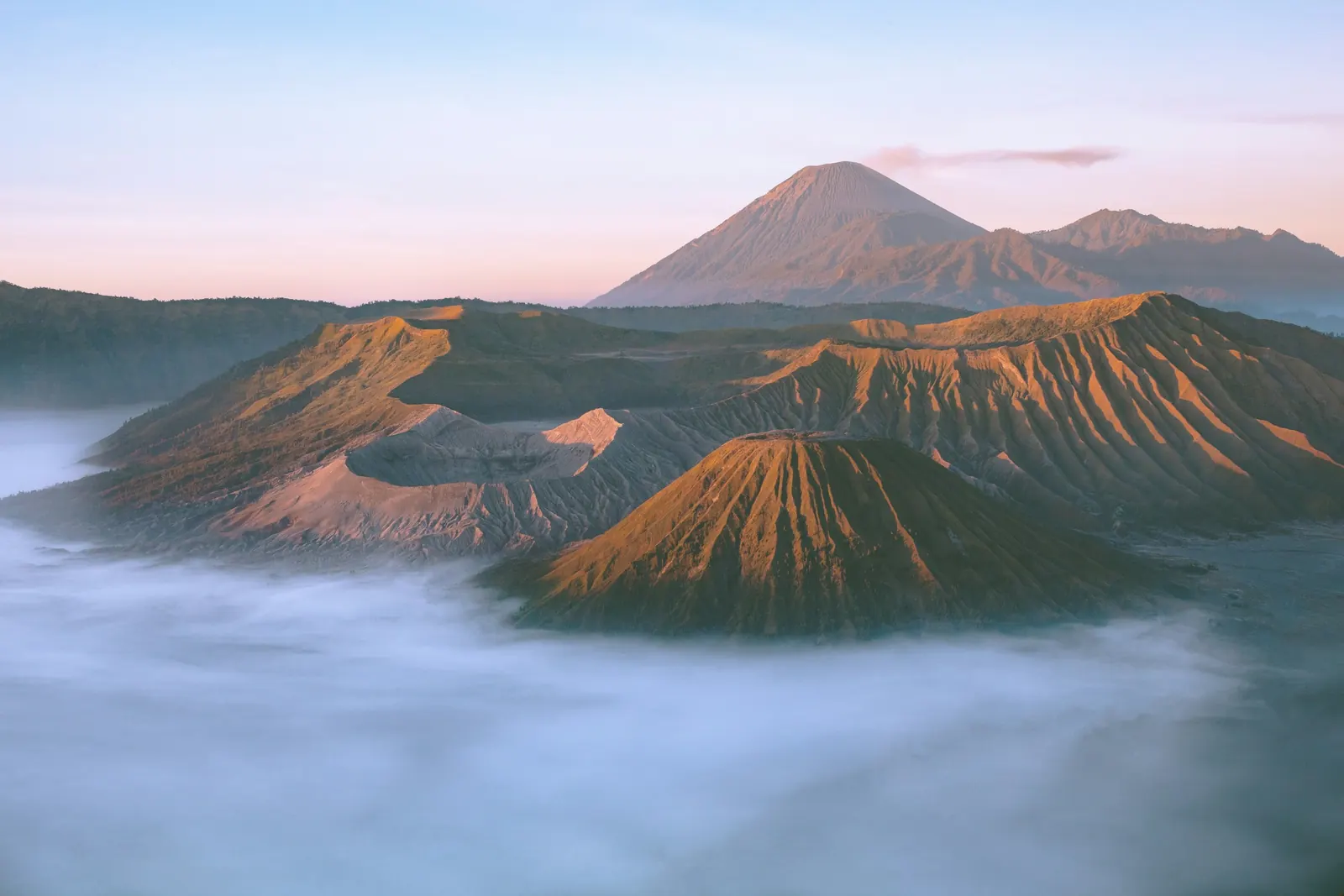
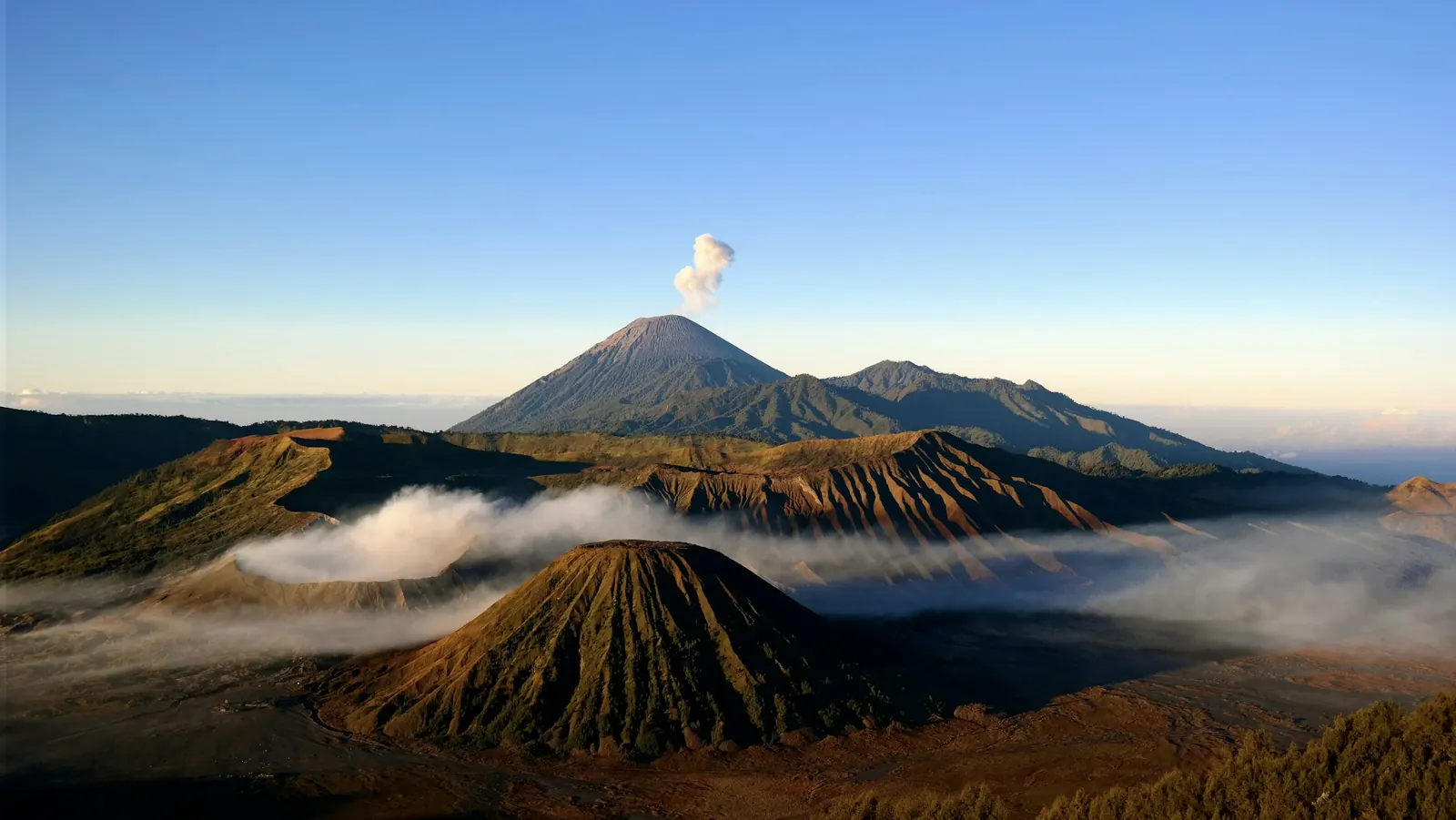
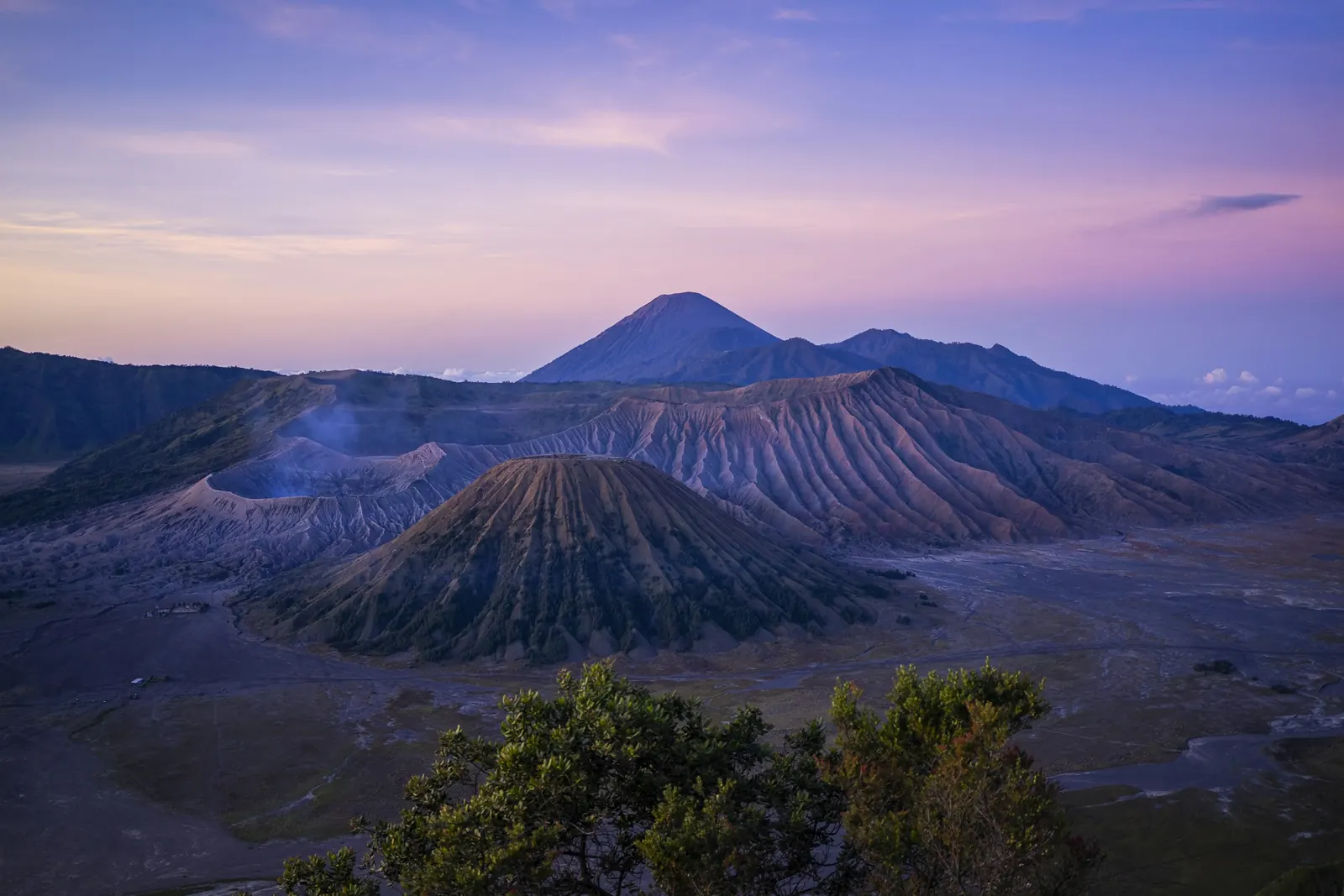
The journey to Mount Bromo is an early one, typically beginning with a midnight or 2:00 AM jeep departure. This timing is crucial for reaching the Penanjakan viewpoint (around 2,770 meters or 9,088 feet above sea level) in time for sunrise. It’s during these pre-dawn hours that the temperature plunges.
At Penanjakan, especially between June and August (the dry season), temperatures can consistently hover between 3-10°C (37-50°F). It can even dip to near-freezing, particularly when strong winds add to the chill. This is often the biggest surprise for visitors expecting tropical Indonesian warmth.
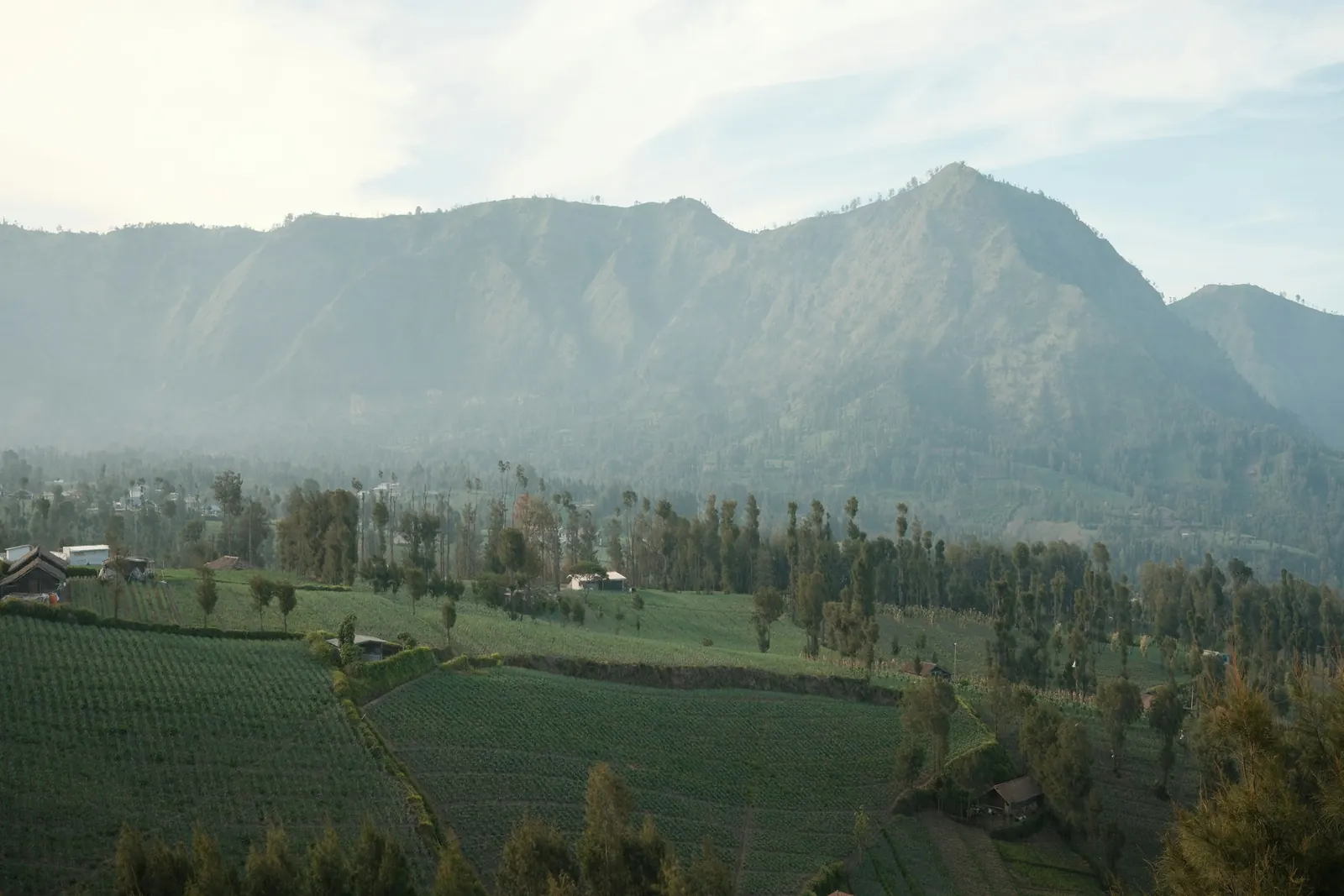
Once the sun rises and you descend into the Tengger Sea of Sand (around 2,100 meters or 6,890 feet) for the trek to the Bromo crater rim (around 2,329 meters or 7,641 feet), conditions change dramatically. The sun quickly warms the air, and the volcanic ash creates a dry, dusty environment. You’ll be walking, climbing stairs, and often exposed to direct sunlight. The layers you needed hours earlier will now feel like too much. This rapid shift from biting cold to warm, dusty conditions is why a strategic packing list for your Bromo tour is essential.
The Layering System: Your Best Strategy for Mount Bromo Comfort
A three-layer system is the most effective approach for what to wear for your Bromo sunrise tour. This allows you to add or remove clothing as temperatures fluctuate throughout your adventure.
1. Base Layer: Wicking Away Moisture, Trapping Warmth
Your first layer sits directly against your skin. Its primary job is to wick away sweat to keep you dry and regulate your body temperature.
- What it is: Thermal underwear (long-sleeved top and long bottoms) made from merino wool or synthetic materials.
- Why you need it: Even in cold, you might perspire during the short walks or while climbing. A damp base layer will make you feel colder faster. Thermals provide excellent insulation without bulk.
- Considerations: Avoid cotton for your base layer. Cotton absorbs moisture and dries slowly, making you feel cold once you stop moving.
2. Mid-Layer: Insulating Warmth
This is your primary insulation layer, designed to trap warm air close to your body.
- What it is: A fleece jacket, a thick wool sweater, or a warm down jacket.
- Why you need it: This layer provides the bulk of your warmth when you’re waiting for the sunrise. A good quality fleece is lightweight and effective. A packable down jacket offers superior warmth for its weight.
- Considerations: Choose something that can be easily removed and tied around your waist or stowed in a small backpack once the sun is up.
3. Outer Shell: Windproof and Water-Resistant Protection
Your outermost layer protects you from the elements: wind, and potentially light rain or mist.
- What it is: A windproof and water-resistant jacket. It doesn’t need to be a heavy winter coat, but a good quality shell makes a significant difference.
- Why you need it: The wind at Penanjakan can be fierce, making the cold feel much more intense. A windproof layer is critical for staying warm. While heavy rain is less common during the dry season, unexpected showers can occur, so water resistance is a smart precaution.
- Considerations: Look for a jacket with a hood for extra head protection. This layer should be loose enough to fit comfortably over your base and mid-layers.
Complete Mount Bromo Tour Packing List: Essential Items Beyond Clothing
Beyond your core layers, several specific items are crucial for comfort and safety on your Bromo adventure. This Bromo tour packing list sunrise covers everything you’ll need.
Headwear: Keep Your Head and Ears Warm
Your head is a major source of heat loss.
- Beanie/Wool Hat: Essential for keeping your head and ears warm during the pre-dawn wait.
- Scarf or Neck Gaiter: Provides extra warmth for your neck and can be pulled up over your face for dust protection later.
Handwear: Protect Your Fingers from the Chill
Cold hands are uncomfortable and can make photography difficult.
- Gloves: Warm gloves, preferably windproof, are highly recommended. Simple fleece gloves are usually sufficient.
Footwear: Sturdy, Closed Shoes are Non-Negotiable
This is not the place for sandals or open-toed shoes.
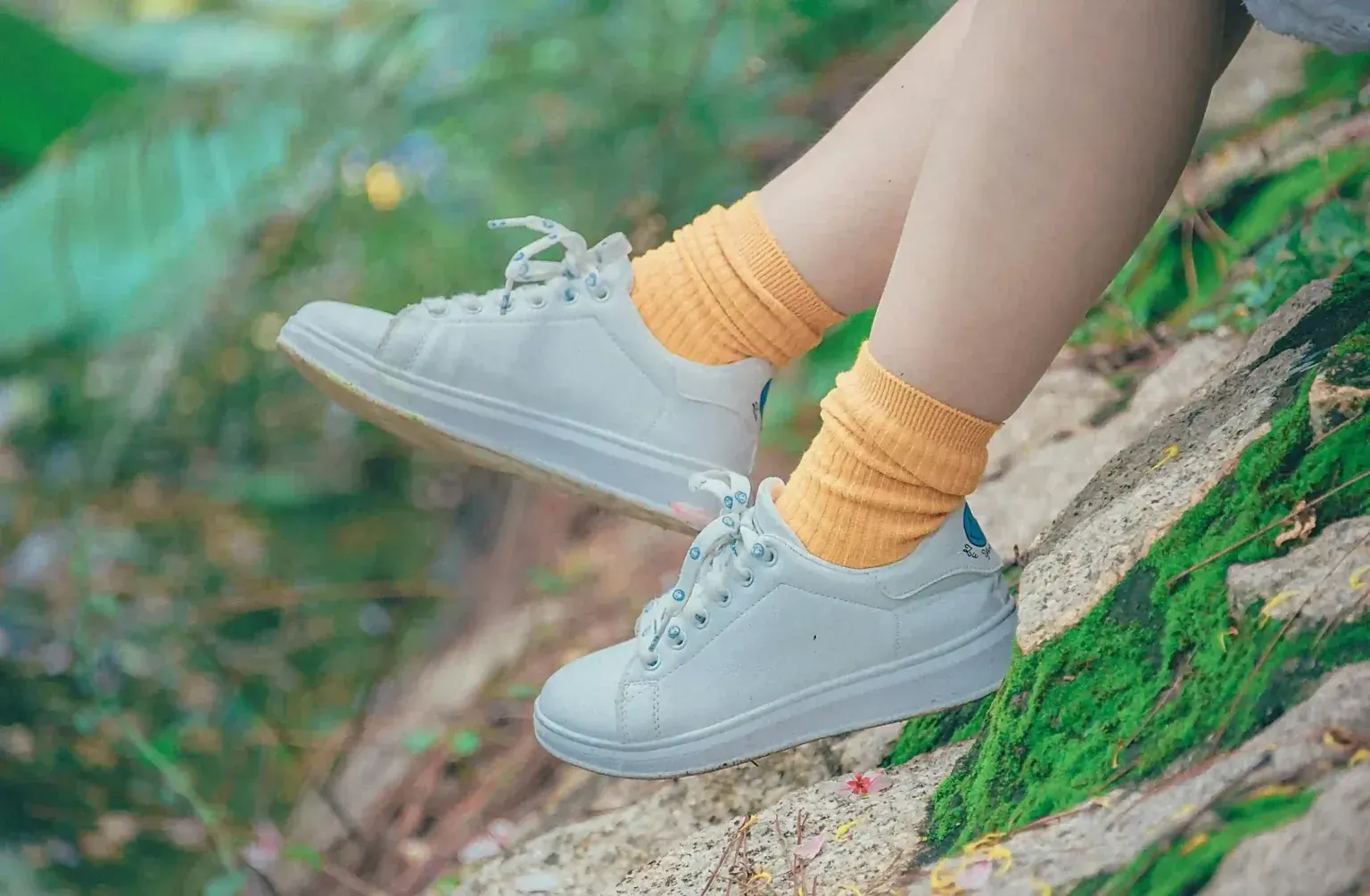
- Closed, Sturdy Shoes: Hiking shoes, sneakers with good grip, or sturdy trainers are ideal.
- Socks: Wear thick, warm socks, preferably wool or synthetic. Bring an extra pair in case the first gets damp.
Dust Protection: Navigate the Sea of Sand Comfortably
The volcanic ash is fine and pervasive.
- Dust Mask or Buff: Absolutely essential. The walk across the Sea of Sand can be very dusty, especially if the wind picks up or jeeps pass by. A simple surgical mask or a multi-functional buff works well. You can often buy these at local stalls near the entrance.
- Sunglasses: Protect your eyes from dust and the bright morning sun reflecting off the sand.
Lighting: See Where You’re Going in the Dark
Much of your early journey will be in complete darkness.
- Headlamp or Small Torch: Crucial for navigating the Penanjakan viewpoint paths and the initial part of the trek to the crater before sunrise. Your phone’s flashlight is a poor substitute; you’ll need your hands free.
Power: Keep Your Devices Charged
Cold weather can drain batteries faster.
- Power Bank: For charging your phone or camera, especially if you’re taking many photos or using GPS.
Small Backpack: Carry Your Essentials
You’ll want a place to stash your layers as you warm up.
- Daypack (15-25 Liters): Enough for water, snacks, extra layers, camera, and personal items.
Other Recommended Items:
- Water Bottle: Stay hydrated.
- Snacks: Energy bars, fruit, or local pastries.
- Personal Medications: If you have any.
- Sunscreen: Even on cold days, the sun at altitude can be strong.
- Camera: To capture the incredible scenery.
- Small Plastic Bag: For any rubbish you generate – pack it in, pack it out!
What to Wear for Mount Bromo By Season
While the core layering system remains consistent, you might adjust the thickness of your mid-layer based on the time of year. Understanding the Mount Bromo weather by month helps you fine-tune your choices.
- Dry Season (June – August)
- This is generally the coldest period. The sky is usually clear, making for spectacular sunrises, but temperatures at Penanjakan can drop to 3-5°C (37-41°F) or even lower. A thick fleece or a light down jacket for your mid-layer is highly recommended. Wind is common, so a robust windproof outer shell is crucial. The Sea of Sand will be very dry and dusty.
- Shoulder Seasons (April – May & September – October)
- Temperatures are slightly milder than the peak dry season, typically 7-12°C (45-54°F) pre-dawn. A medium-weight fleece might suffice as a mid-layer. While generally dry, there’s a slightly higher chance of light rain showers, so ensure your outer shell is water-resistant. Dust will still be a factor in the Sea of Sand.
- Wet Season (November – March)
- The warmest pre-dawn temperatures, usually 10-15°C (50-59°F). However, this season brings higher humidity and frequent rainfall, often heavy. Your outer shell *must* be waterproof, not just water-resistant. A lighter mid-layer might be enough, but be prepared for dampness. Clear sunrises are less frequent, but the landscape is greener. The Sea of Sand can be less dusty due to moisture, but trails can be muddy.
Regardless of the season, the key takeaway is that “is it cold at Mount Bromo sunrise?” The answer is a resounding YES. Always err on the side of bringing too many warm layers rather than too few.
Local Rentals and Purchases: What You Can Find at the Gate
If you find yourself short on certain items, don’t worry too much. The villages surrounding Mount Bromo, particularly Cemoro Lawang, have local vendors who cater to unprepared tourists.
- Warm Jackets: Many stalls rent out thick, often brightly colored, jackets. These are usually basic but effective for adding an extra layer of warmth. Rental prices for a jacket can range from IDR 20,000-50,000 (roughly US$1.50-3.50, last verified June 2026) for the duration of your trip.
- Beanies, Gloves, Scarves: These are readily available for purchase at very reasonable prices, typically IDR 10,000-30,000 (US$0.70-2.00) per item. They might not be the highest quality, but they’ll do the job for a few hours.
- Dust Masks: Simple surgical masks are sold everywhere for a few thousand rupiah. More robust buffs are also available.
While these options are convenient, it’s always better to bring your own well-fitting gear if possible. Local rentals might not offer the best fit or hygiene, and purchases are often impulse buys. However, they are a good backup.
Your Bromo Tour Itinerary: How Clothing Choices Fit In
Understanding the typical flow of a Bromo sunrise jeep tour helps reinforce why specific items are needed.
- Midnight/Early Morning Departure (e.g., 2:00 AM): You’ll be picked up from your accommodation by a 4×4 jeep. It’s dark and cold. This is when you’ll need all your layers, beanie, gloves, and headlamp.
- Jeep Ride to Penanjakan Viewpoint (approx. 45-60 minutes): The open-air jeep can be very chilly, especially as you gain altitude. Keep all your warm layers on.
- Waiting for Sunrise at Penanjakan (1-2 hours): You’ll disembark and walk a short distance to a vantage point. Here, you’ll be exposed to the elements, waiting for the sun to appear. This is the coldest part of the trip.
- Sunrise and Photography: As the sun rises, the temperature slowly begins to climb. You might start to peel off a layer.
- Descent to the Sea of Sand (approx. 30 minutes by jeep): The jeep ride down is often thrilling. The air will feel noticeably warmer.
- Trek to Bromo Crater (approx. 30-45 minutes walk + stairs): This is where you’ll be glad to shed some layers. The sun will be out, and the walk, plus the climb up the ~250 concrete steps to the crater rim, can be strenuous. You’ll definitely need your dust mask here.
- Explore the Crater Rim (30-60 minutes): Enjoy the views into the active volcano. Keep your dust mask on, and sunglasses are helpful for the bright sun and dust.
- Return to Jeep and Accommodation: You’ll start putting layers back on as the morning progresses, but usually not as many as pre-dawn.
This sequence highlights the dynamic nature of the environment and the constant need to adapt your clothing.
A Note on Comfort and Safety
Your comfort on the Mount Bromo tour directly impacts your enjoyment. Being cold, wet, or covered in dust can detract from the wonder of the experience. By following this comprehensive packing guide and preparing for the distinct weather conditions, you set yourself up for an unforgettable journey.
Safety is also paramount. Sturdy shoes prevent slips on uneven terrain. A headlamp ensures you see where you’re going in the dark. Dust masks protect your lungs. These are small considerations that make a big difference.
For those who prefer to skip the guesswork and have every detail handled by experts, Bali Premium Trip offers meticulously planned private Mount Bromo tours. Our team ensures your logistics, transfers, and comfort are all accounted for, so you can focus entirely on the incredible landscapes. To start planning your tailor-made Bromo adventure, plan your trip with us today, or connect directly via WhatsApp at +62 811-3941-4563. We’ve watched a hundred Bromo sunrises and know exactly what it takes.
Indicative Tour Price Range
To give you an idea of costs, a typical 2-day, 1-night private Mount Bromo tour from Surabaya (including transfers, jeep, entrance fees, and basic accommodation) can range from approximately US$150-350 per person, depending on the number of participants, accommodation standard, and specific inclusions. Prices are indicative and were last verified June 2026. This range does not include personal expenses or rental gear.
Frequently Asked Questions About What to Wear for Mount Bromo
Is it really that cold at Mount Bromo for sunrise?
Yes, absolutely. Many travelers underestimate the cold. At the Penanjakan viewpoint (around 2,770 meters above sea level), pre-dawn temperatures can range from 3-10°C (37-50°F), often feeling colder with wind chill, especially during the dry season (June-August). Layers are critical for comfort.
Can I rent warm jackets or buy gloves locally?
Yes, you can. In villages like Cemoro Lawang near the Bromo entrance, many stalls offer jackets for rent (typically IDR 20,000-50,000, roughly US$1.50-3.50, last verified June 2026) and sell beanies, gloves, scarves, and dust masks for reasonable prices. While convenient, it’s generally better to bring your own well-fitting gear if possible.
Do I need hiking boots, or are sneakers okay for the Bromo trek?
Sturdy closed-toe sneakers with good grip are generally sufficient for the trek across the Sea of Sand and up the stairs to the Bromo crater. Full hiking boots are not strictly necessary unless you prefer the extra ankle support or plan to do more extensive trekking. Avoid sandals or open-toed shoes entirely.
What if it rains during my Bromo tour?
If you’re traveling during the wet season (November-March), rain is common. Ensure your outer shell is fully waterproof, not just water-resistant. Even during the dry season, light mist or unexpected showers can occur, so a water-resistant layer is always a good idea.
How do I protect myself from the dust at the Sea of Sand?
A dust mask or a multi-functional buff is essential. The fine volcanic ash can be easily kicked up by wind or passing jeeps, making breathing uncomfortable and irritating your eyes. Sunglasses are also recommended to protect your eyes from dust and the bright sun.
Planning your Mount Bromo adventure should be exciting, not stressful. By understanding the climate and preparing your packing list for Bromo accordingly, you’re ensuring a memorable and comfortable experience. If you’re ready to explore Mount Bromo with the guidance of local experts, let Bali Premium Trip handle all the arrangements. Our private tours are designed for your comfort and ease. Reach out to us to plan your trip, or send a message to our dedicated WhatsApp line at +62 811-3941-4563. We’re here to help you experience the truth and magic of Bromo.