Best Time to Visit Mount Bromo — Best Season & Month-by-Month Guide (2026)
Mount Bromo Tour Package Editorial Desk Updated 26 Jun 2026 13 min read
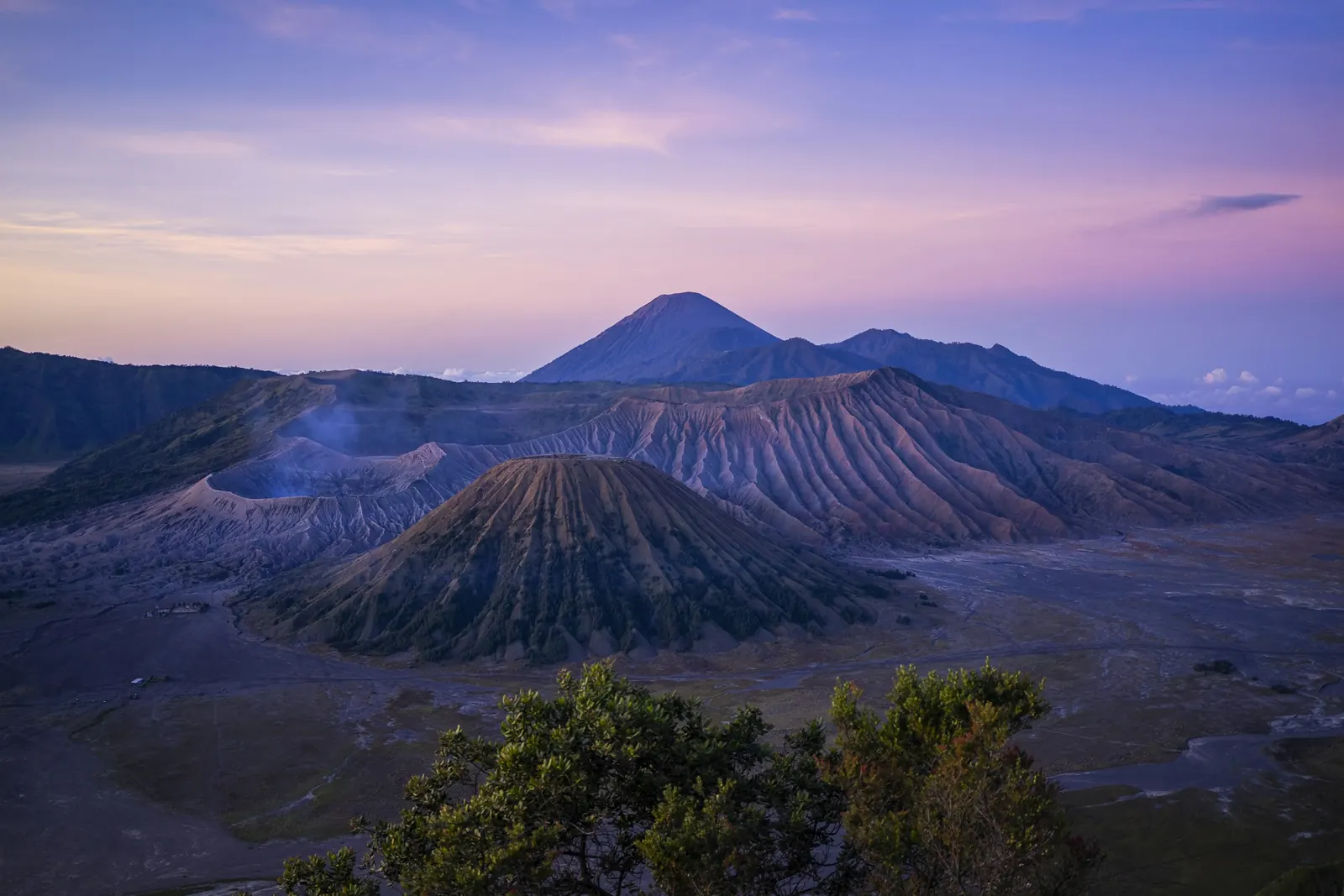
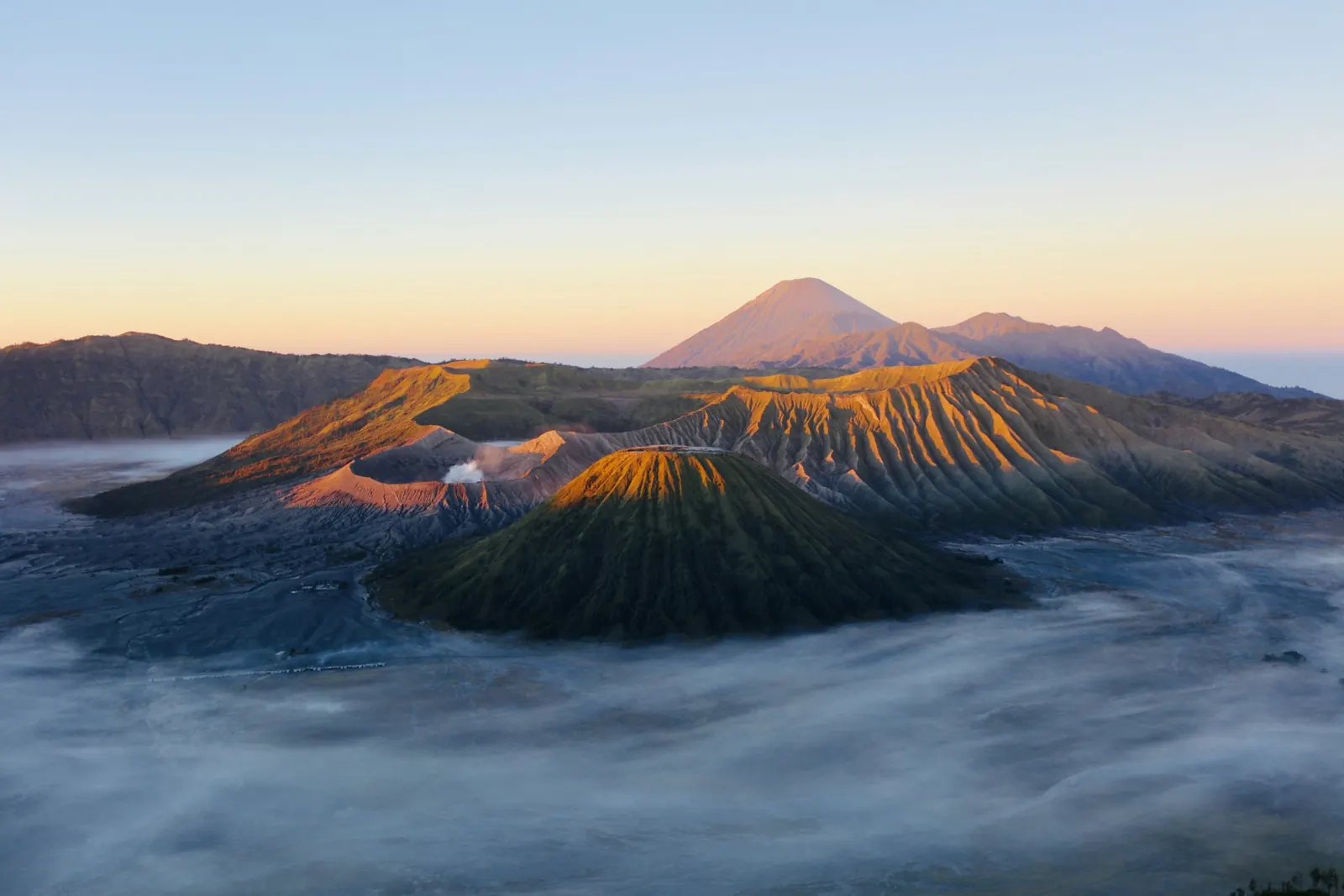
The best time to visit Mount Bromo is during the dry season, which typically runs from April to October. This period offers the clearest skies and significantly less rainfall, making your journey across the Tengger sea of sand and up to Penanjakan viewpoint for sunrise much smoother and more rewarding.
At Mount Bromo Tour Package, we’ve coordinated countless trips to this iconic volcano. We’ve seen the sun rise over Bromo in every month of the year, and we can tell you the truth about what to expect. While Bromo is accessible year-round, timing your visit carefully can make all the difference between a picture-perfect sunrise and a foggy washout.
Understanding Mount Bromo Weather: Dry vs. Wet Season
Mount Bromo’s climate, like much of Indonesia, is divided into two main seasons: the dry season and the wet (or rainy) season. Each brings its own set of conditions that directly impact your travel experience, especially when you’re chasing that iconic sunrise view.
The Dry Season (April to October): Your Best Bet for Clear Sunrises
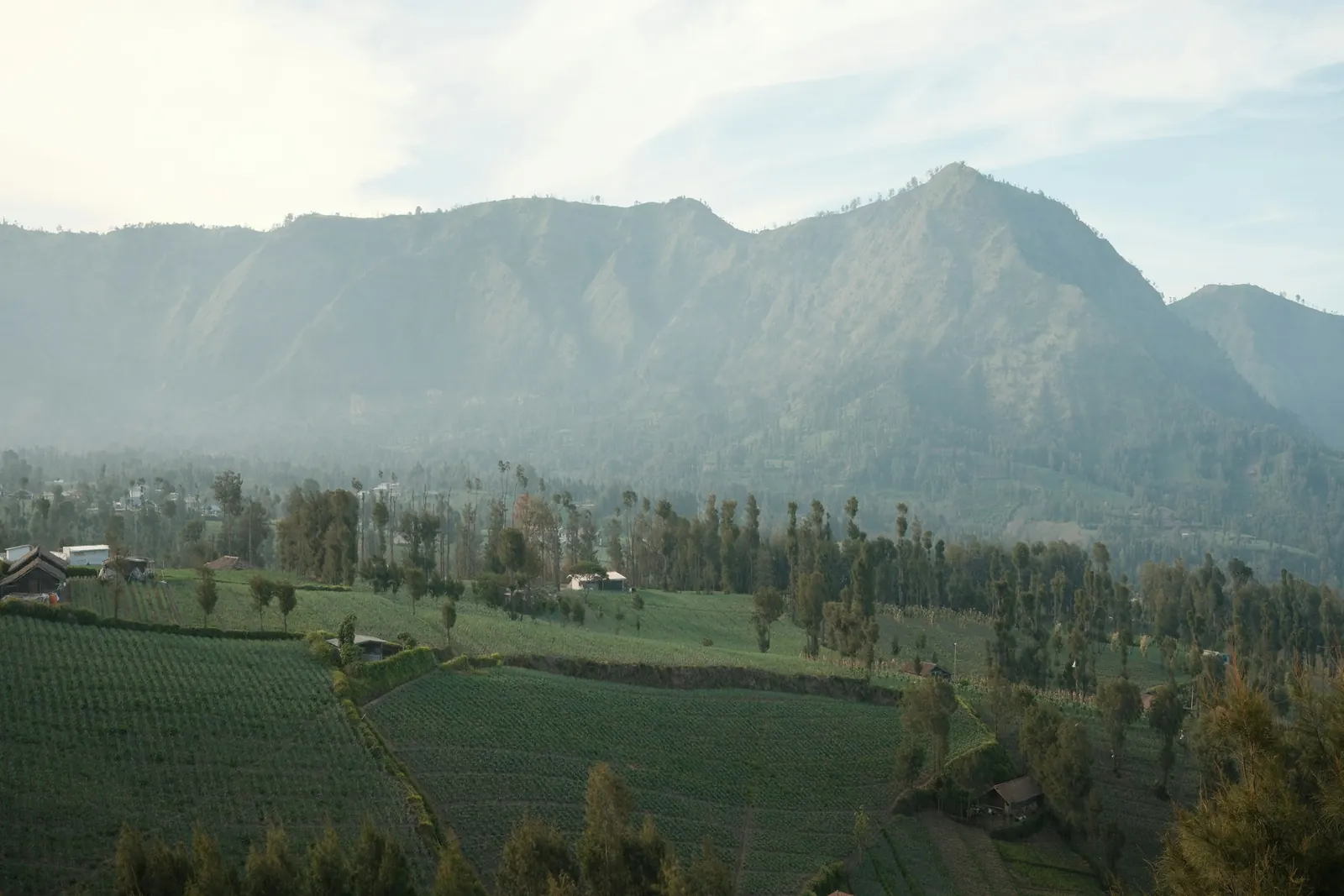
If you’re dreaming of an unobstructed view of the Bromo caldera, the dry season is your window. During these months, rainfall is minimal, and the skies are generally clear. This means higher chances for spectacular sunrises from Penanjakan viewpoint (at approximately 2,770 meters above sea level) and crisp visibility across the Tengger sea of sand.
The air is fresh, often feeling dry and cool. Early mornings, especially at higher altitudes, can be surprisingly cold. Temperatures before dawn often hover between 0°C and 10°C, so proper layering is essential. While the dry season offers the best weather, it also aligns with peak tourist times, particularly from June to September. Expect more crowds at viewpoints and on the jeep routes. Planning ahead is key.
The Wet Season (November to March): Higher Risks, Lower Rewards
Visiting Mount Bromo during the wet season introduces a different set of challenges. Heavy rains are frequent, often accompanied by dense fog. This significantly reduces visibility, making that coveted sunrise view a gamble. Roads across the sea of sand can become muddy and slippery, increasing travel time and risk. Jeep drivers are highly skilled, but conditions can be tough.
While the temperatures are generally milder than the dry season’s pre-dawn chill, the dampness can make it feel colder. The chances of a sunrise washout are much higher, with cloud cover frequently obscuring the volcanic peaks. On the positive side, the landscape is often greener and more vibrant after the rains, and you’ll encounter far fewer crowds. For those seeking solitude and don’t mind the risk of obscured views, it can be a unique experience. However, for a classic Bromo sunrise, it’s generally best to avoid these months if your schedule allows.
Mount Bromo Best Season: When to Target Your Trip
To make your decision easier, let’s break down the dry and wet seasons further into peak, shoulder, and avoid windows. This will help you align your expectations with the likely conditions.
Peak Season (June – September): The Golden Window
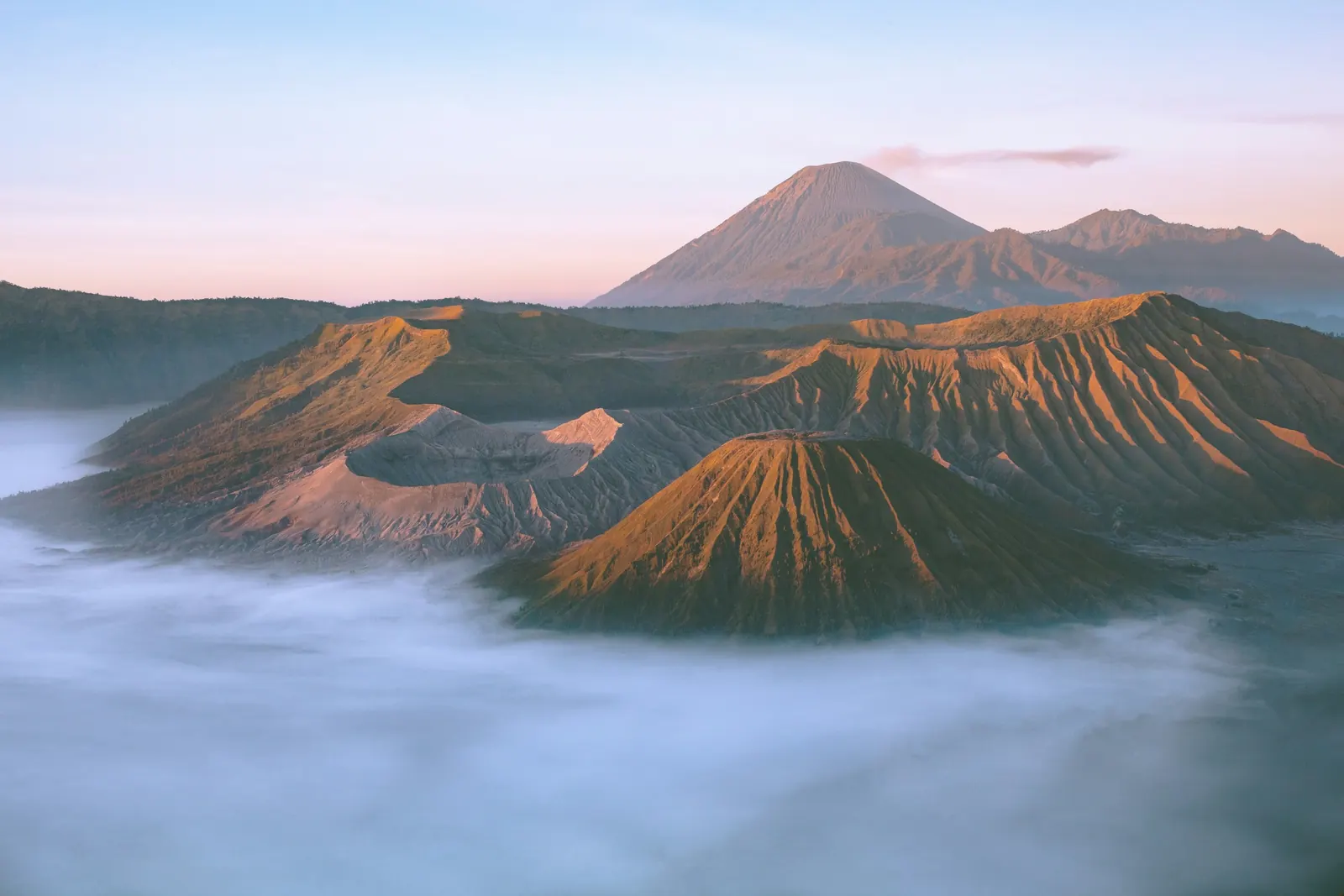
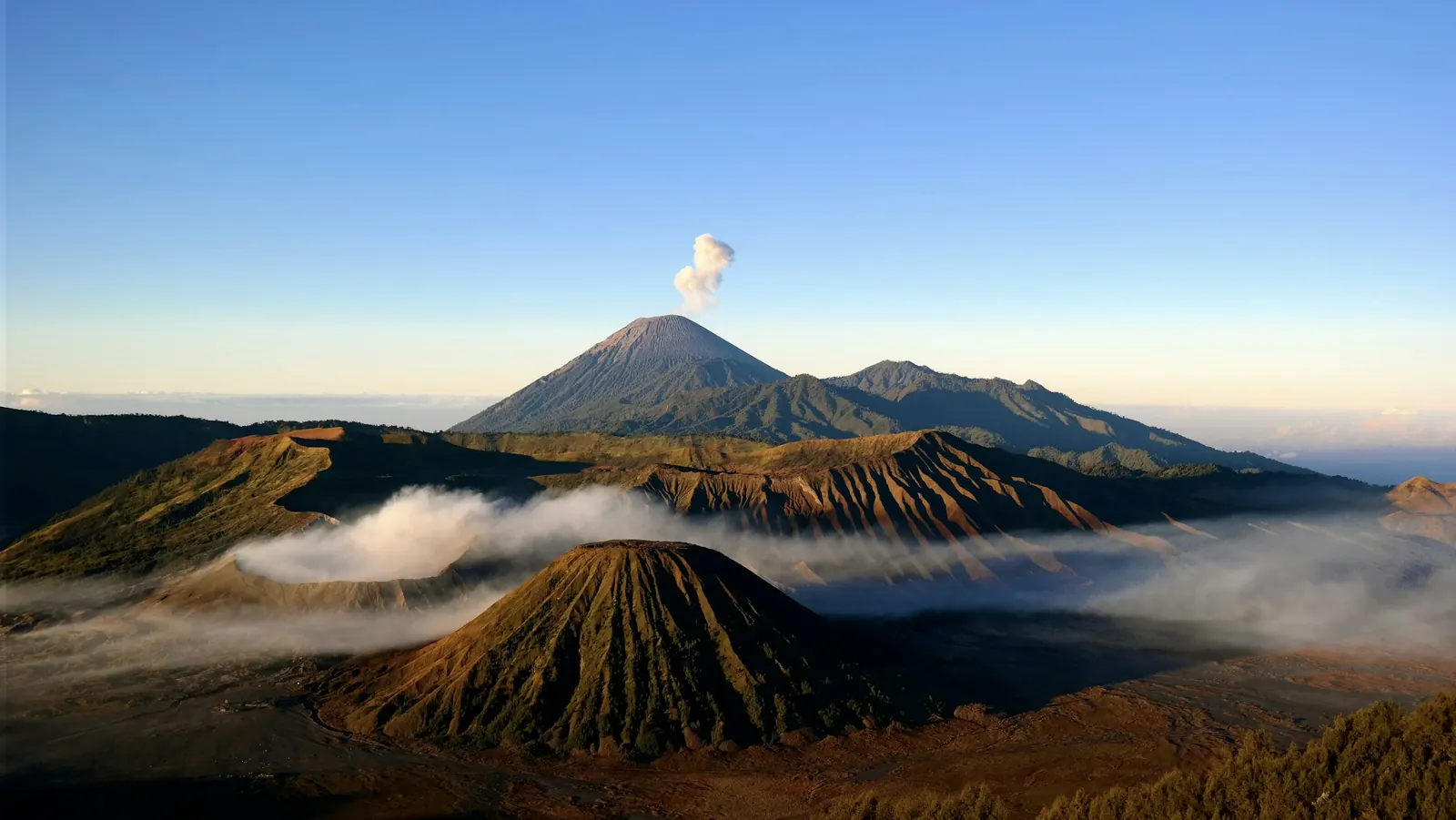
This is arguably the mount bromo best season for clear skies and unforgettable views. The weather is at its most stable, with very little rain and consistently clear mornings. The air is dry and visibility excellent, offering panoramic vistas from Penanjakan that stretch across the caldera to Mount Semeru in the distance.
The downside? Everyone knows this is the best time. Expect larger crowds, especially on weekends and Indonesian public holidays. This means more jeeps on the sea of sand, more people at the viewpoints, and potentially longer waits. Accommodation prices in Cemoro Lawang and surrounding areas can also be at their highest. If you prioritize crystal-clear views and don’t mind sharing the experience with many others, this is your time. For the best chance at a truly clear bromo sunrise, target these months.
Shoulder Season (April – May, October): Smart Choices for Fewer Crowds
The shoulder season offers a fantastic compromise. In April and May, the tail end of the wet season is fading, and the dry season is just beginning to establish itself. You’ll find good weather, clear skies becoming more frequent, and significantly fewer tourists than in the peak months. The landscape can still retain some of its lushness from the recent rains.
October is similar, marking the transition from dry to wet season. While there’s a slight chance of early rains beginning towards the end of the month, most of October still offers great conditions and fewer crowds than September. These months are ideal if you want a high probability of a clear sunrise without the intense crowds of June, July, August, and September. It’s a great best month to visit mount bromo for a balanced experience.
Avoid Season (November – March): For the Adventurous (or Flexible)
This period corresponds to the full wet season. Rainfall is heavy and frequent, fog is common, and the chances of a clear sunrise are low. While it’s not impossible to get a clear morning, you need to be prepared for the likelihood of obscured views. Road conditions can be challenging, and safety is a higher concern.
The primary advantage here is the lack of crowds. If you prefer solitude and are willing to gamble on the weather, or if your travel dates are strictly fixed to these months, you can still visit. Just manage your expectations and understand that the experience will be very different from the dry season’s postcard views.
Month-by-Month Guide: When to Visit Bromo Sunrise Viewpoint (2026)
To help you pinpoint the best month to visit Mount Bromo, here’s a detailed breakdown of what to expect throughout the year. Remember, weather patterns can vary year to year, and this is a general guide. For real-time updates, always check with local sources like BMKG (Indonesia’s Meteorology, Climatology, and Geophysics Agency) or the Bromo Tengger Semeru National Park authority closer to your travel date.
Here’s a snapshot of typical conditions:
| Month | Season | Rainfall | Crowds | Temperature (Pre-dawn) | Sunrise Clarity Odds | Key Considerations |
|---|---|---|---|---|---|---|
| January | Wet | High | Medium (New Year) | Cool (8-15°C) | Low | Peak of rainy season. Frequent fog, heavy rain. New Year crowds can be significant for the first week. Roads across the sea of sand can be very muddy. High chance of sunrise washouts. |
| February | Wet | High | Low | Cool (8-15°C) | Low | Continues to be very wet. Fewer crowds post-New Year. Least ideal for clear views. |
| March | Wet | Medium-High | Low | Cool (8-15°C) | Low-Medium | Rain starts to lessen towards month’s end. Still considerable cloud cover. Landscape is very green. |
| April | Shoulder/Dry | Low-Medium | Low (except Idul Fitri) | Cool (5-12°C) | Medium-High | Beginning of dry season. Increasingly clear skies. Idul Fitri (Eid al-Fitr) often falls in April, bringing massive domestic crowds – check specific dates for 2026. Avoid Bromo during Idul Fitri if you dislike crowds. |
| May | Shoulder/Dry | Low | Low-Medium | Cool (5-12°C) | High | Excellent conditions as dry season firms up. Fewer crowds than peak months. Great for clear mount bromo august september best-like views without the August/September crowds. |
| June | Peak Dry | Very Low | Medium-High (School Hols) | Cold (0-10°C) | High | Very clear skies. Cold mornings. Indonesian school holidays often begin mid-June, leading to increased domestic tourism. One of the bromo june july peak season months. |
| July | Peak Dry | Very Low | High (School Hols) | Cold (0-10°C) | High | Consistently clear and dry. Peak domestic and international tourist month due to school holidays. Expect significant crowds at Penanjakan and the crater. |
| August | Peak Dry | Very Low | High | Very Cold (0-8°C) | Very High | Often the clearest month. Crisp, dry air. Can be extremely cold before sunrise. Considered by many the best month for clear bromo sunrise. |
| September | Peak Dry | Very Low | High | Very Cold (0-8°C) | Very High | Excellent visibility, similar to August. Crowds start to slightly thin towards the end of the month but remain high. Another top pick for mount bromo august september best conditions. |
| October | Shoulder/Dry | Low-Medium | Medium | Cold (0-10°C) | High | End of dry season. Still very good conditions, with slight chance of late-month rains. Fewer crowds than peak season. A great choice if you prefer slightly less busy viewpoints. |
| November | Wet | Medium-High | Low | Cool (5-12°C) | Low-Medium | Start of rainy season. Increased cloud cover and rain. Visibility begins to decline. |
| December | Wet | High | Medium (Christmas/NY) | Cool (8-15°C) | Low | Full rainy season. Christmas and New Year bring domestic crowds, especially around the holidays. High chance of rain and fog. |
What to Wear Mount Bromo Sunrise: Be Prepared for the Cold
No matter which month you choose to visit, preparing for the cold is non-negotiable, especially for a sunrise tour. The pre-dawn temperatures at Penanjakan viewpoint (~2,770m) and even at the Bromo crater rim (~2,329m) can be surprisingly frigid. We’ve seen countless unprepared travelers shivering, which can really detract from the experience.
Here’s what we always recommend for what to wear mount bromo sunrise:
- Warm Layers: The key is to dress in layers you can easily add or remove. Start with a base layer (thermal underwear if you have it), add a fleece or wool sweater, and top it with a windproof and waterproof outer jacket.
- Warm Trousers: Jeans are generally not ideal as they offer poor insulation when wet or cold. Opt for hiking pants or warm tracksuit bottoms.
- Headwear: A warm hat or beanie is crucial. You lose a lot of body heat through your head.
- Gloves and Scarf: Don’t underestimate these. Your hands and neck will thank you.
- Socks: Thick, warm socks (wool or thermal) are a must.
- Sturdy Shoes: You’ll be walking on uneven terrain, loose sand, and potentially slippery steps to the crater. Hiking boots or sturdy athletic shoes with good grip are essential.
- Sunglasses: Once the sun rises, the glare can be intense.
- Small Backpack: To carry water, snacks, and any layers you might shed as the day warms up.
Temperatures can range from near 0°C to 10°C before sunrise in the dry season, and around 5°C to 15°C in the wet season (though the dampness can make it feel colder). Be prepared, and you’ll be comfortable enough to fully enjoy the spectacular views.
Navigating Crowds and Holidays at Bromo
Mount Bromo is one of Indonesia’s most popular natural attractions, drawing both international and domestic tourists. This means that certain times of the year, particularly during Indonesian public holidays and school breaks, can see a significant surge in visitors.
Key Periods to Watch Out For:
- Idul Fitri (Eid al-Fitr): This major religious holiday (dates vary annually, often in April or May) marks the end of Ramadan. Many Indonesians travel home or take holidays, making Bromo exceptionally busy for a week or two around this time. Roads, viewpoints, and accommodation can be heavily congested.
- Indonesian School Holidays: Typically from mid-June to mid-July, and again around Christmas/New Year. These periods coincide with the bromo june july peak season for international visitors, leading to a double whammy of crowds.
- New Year’s Eve/Day: A popular time for domestic travelers to gather and witness the first sunrise of the year. Expect very high crowds and potential traffic.
- Weekends: Weekends are always busier than weekdays, especially during the dry season.
Impact on Your Trip:
More crowds mean more jeeps on the sea of sand, longer queues for photos at Penanjakan, and a more crowded ascent to the crater rim. While the park is vast, the key viewpoints can feel very busy. Booking a private jeep tour with Mount Bromo Tour Package through Bali Premium Trip can help mitigate some of this. A private jeep allows for more flexibility with departure times, potentially letting you avoid the absolute peak rush or choose a less crowded viewpoint (though Penanjakan remains the most iconic). Our guides are experts at navigating these busy periods to give you the best possible experience.
Planning Your Bromo Trip from Bali, Surabaya, Malang, or Probolinggo
Mount Bromo is accessible from several major hubs in East Java, and even directly from Bali. Your starting point will influence your travel time and the overall logistics of your tour.
- From Surabaya or Malang: These are the closest major cities, offering the quickest overland transfers to the Bromo region (typically 2-3 hours to the base of the mountain). Many Bromo sunrise tours depart from here, often in the late evening (around midnight) for a pre-dawn arrival at Penanjakan.
- From Probolinggo: This town is even closer to the Bromo Tengger Semeru National Park entrance, often serving as a gateway for travelers arriving by train or bus.
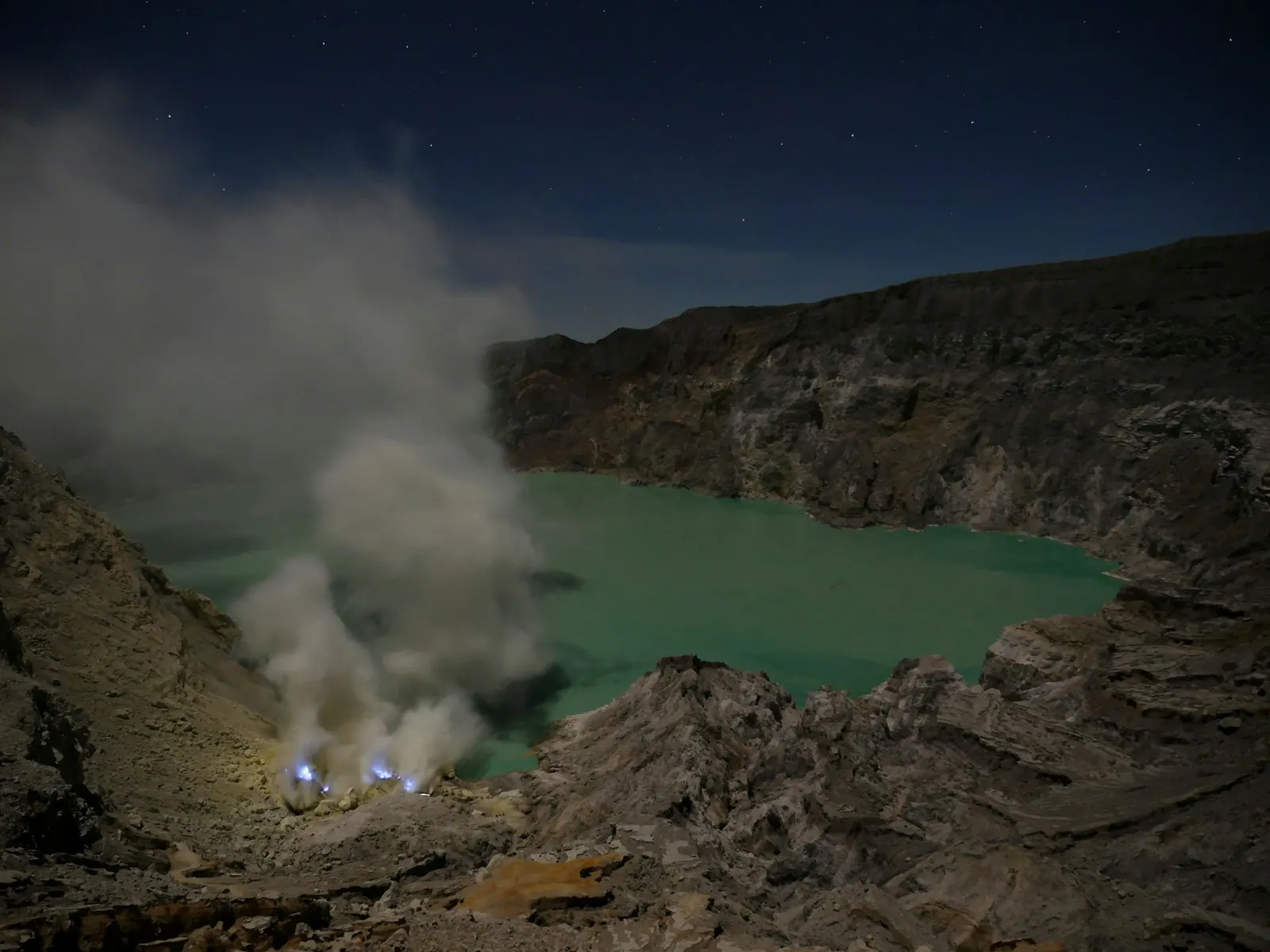
- From Bali: For those starting from the Island of the Gods, a Bromo-only or a Bromo+Ijen combo trip usually involves an internal flight to Surabaya or Malang, or an extended overland journey with ferry transfers. Bali Premium Trip specializes in seamless multi-day itineraries from Bali, handling all transfers, accommodation, and guiding.
No matter where you’re coming from, an early start is always required for the sunrise. Our planning desk at Bali Premium Trip coordinates every detail, from your pick-up to your jeep itinerary across the Tengger sea of sand. We ensure a smooth, expert-guided experience, whether you opt for a private-first Bromo sunrise tour or a comprehensive Bromo+Ijen combo.
Ready to experience the magic of Mount Bromo sunrise? Don’t let the planning overwhelm you.
Plan your trip with the team at Mount Bromo Tour Package today. We’re also available for quick queries via WhatsApp!
Final Thoughts from our desk
Choosing the best time to visit Mount Bromo comes down to balancing your desire for clear views with your tolerance for crowds. The dry season, particularly June to September, offers the highest probability of that iconic, unobstructed sunrise. However, the shoulder months of April, May, and October provide a fantastic alternative with good weather and fewer people. The wet season, while offering lush landscapes and solitude, comes with a significant risk of obscured views.
Ultimately, Bromo is a powerful, active volcano that offers a unique experience year-round. Our advice is always to prepare thoroughly for the cold, regardless of the season, and to book your tour with an experienced operator. We at Mount Bromo Tour Package, operated by Bali Premium Trip, are here to ensure your journey is as smooth and memorable as the sunrise itself. We’ve watched a hundred Bromo sunrises and know the truth about the cold, the crowds, and the cost, so you get honest, specific advice every time.
Frequently Asked Questions
How cold is Mount Bromo at sunrise?
Mount Bromo can be surprisingly cold at sunrise, especially during the dry season (April-October). Temperatures at Penanjakan viewpoint (around 2,770m) often drop to 0-10°C, and sometimes even below freezing in August and September. During the wet season, it’s typically a bit milder (5-15°C) but the dampness can make it feel colder. Layering with warm clothing, a hat, gloves, and a scarf is highly recommended.
Is it safe to visit Mount Bromo during the rainy season?
Visiting during the rainy season (November-March) is generally safe, but it comes with increased risks and reduced visibility. Heavy rains can make the roads across the Tengger sea of sand muddy and slippery. The chances of fog and obscured sunrise views are very high. While our experienced jeep drivers are highly skilled, conditions can be challenging. It’s not the ideal time for first-time visitors seeking the classic clear sunrise view.
How long does a Mount Bromo sunrise tour take?
A standard Mount Bromo sunrise jeep tour, typically starting from a base camp like Cemoro Lawang, involves a pre-dawn departure (around 3:00-3:30 AM), driving to Penanjakan for sunrise (around 5:00-5:30 AM), then crossing the sea of sand to the Bromo crater (arrival around 6:30-7:00 AM), and returning to the base by 9:00-10:00 AM. Including transfers from Surabaya or Malang, a full day trip can be 12-16 hours. A private Bromo sunrise jeep tour (excluding park entry and accommodation) might range from US$60-120 per jeep, while a multi-day Bromo+Ijen private trip including transport, guide, and basic accommodation could be US$350-800 per person, last verified June 2026.
What’s the difference between a private and open jeep tour?
An open (or shared) jeep tour typically involves joining a group of other travelers, often filling a jeep’s capacity of 4-6 people. This is usually a more budget-friendly option. A private jeep tour means you and your travel companions have the jeep exclusively. This offers more flexibility with departure times (within park regulations), custom stops for photos, and a more personalized experience without waiting for others. Bali Premium Trip specializes in private-first tours for a more comfortable and tailored journey.
We hope this detailed guide helps you plan your perfect Mount Bromo adventure. For personalized itineraries, expert advice, and seamless booking, don’t hesitate to reach out.
Let’s plan your Mount Bromo trip together! We’re just a WhatsApp message away.
*Please note: No one can pay to change what we publish; if you proceed with our partner they may pay us a referral fee at no extra cost to you.*