Bromo Ijen 3-Day Itinerary — 3D2N Blue Fire & Sunrise Planning Guide
Mount Bromo Tour Package Editorial Desk Updated 25 Sep 2026 15 min read
Planning a bromo ijen tour itinerary 3 days means preparing for two of Indonesia’s most iconic volcanic experiences: the majestic sunrise over Mount Bromo and the ethereal blue flames of Kawah Ijen. This comprehensive guide from Larasati Putri, your Mountain Conditions & Trip-Prep Researcher at Mount Bromo Tour Package, lays out the canonical 3D2N route, helping you decide if the extra day for Ijen is the right choice for your adventure.
You’re considering more than just a trip; you’re contemplating an endurance challenge wrapped in spectacular natural beauty. We’ll walk you through the hour-by-hour reality of these pre-dawn treks, the practicalities of travel between sites, and the honest costs involved. Our goal is to ground your expectations in current Bromo Tengger Semeru National Park conditions, not guesswork. Ready to plan your Bromo Ijen multi-day itinerary?
The Canonical Bromo Ijen 3-Day Itinerary (3D2N)
The standard bromo ijen three days itinerary is designed to maximize your experience of both volcanoes while managing the significant travel distances involved. It’s a journey of early mornings, long drives, and unforgettable vistas. Let’s break down each day.
Day 1: Arrival & Ascent to the Tengger Highlands
Your adventure begins with a pick-up from your chosen starting point. Most travelers opting for a bromo ijen tour from surabaya 3 days will fly into Surabaya’s Juanda International Airport (SUB). Malang’s Abdul Rachman Saleh Airport (MLG) is another excellent option, often offering a slightly shorter drive to the Bromo area.
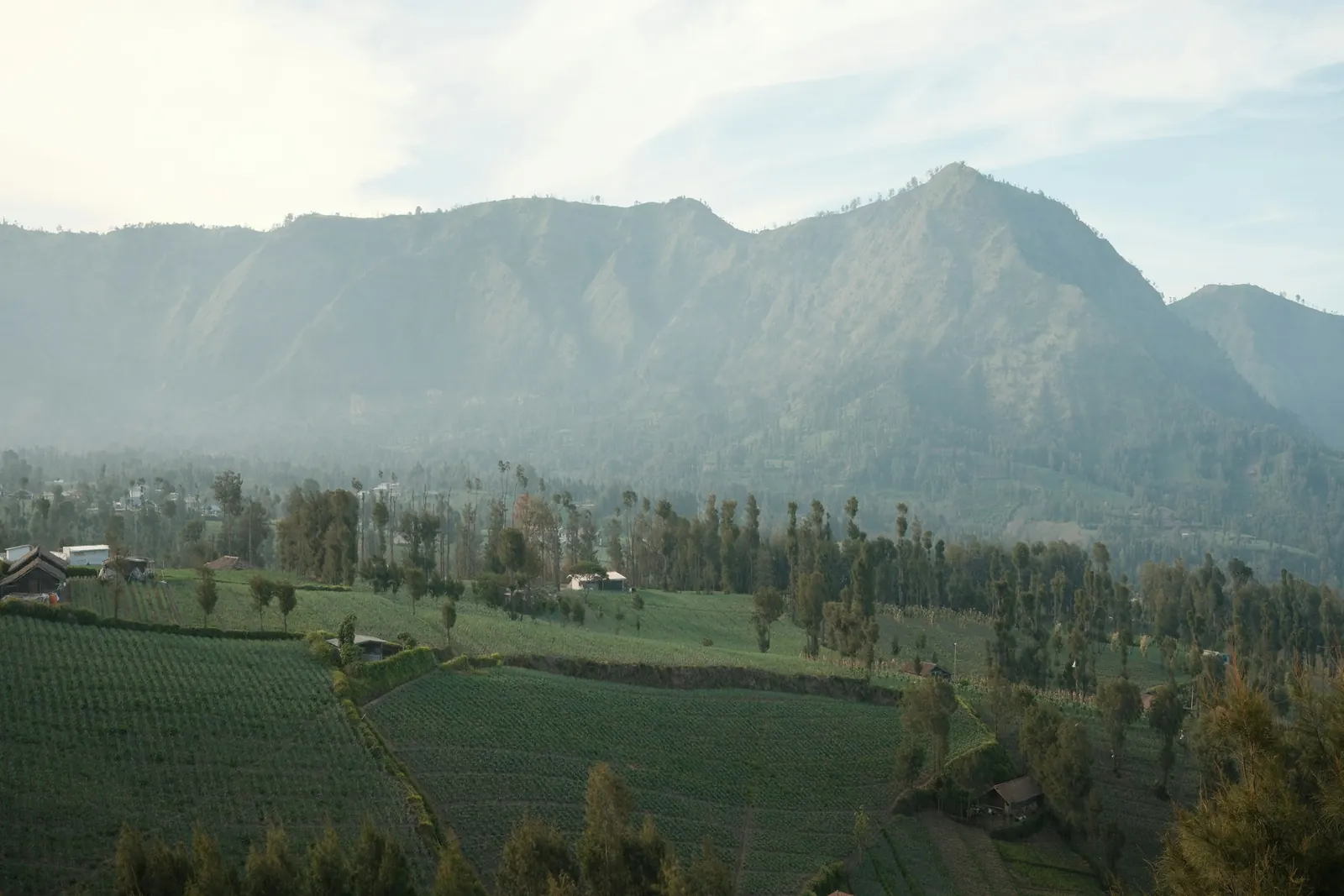
From Surabaya, expect a scenic drive of approximately 3 to 4 hours, navigating increasingly winding roads as you ascend towards the Tengger mountain range. If starting from Malang, the drive is a bit shorter, around 2.5 to 3 hours. For those arriving by train, Probolinggo Station is the nearest major hub, requiring a transfer of about 1.5 to 2 hours to reach your accommodation. Regardless of your origin, the destination for the night is usually a guesthouse or hotel in Cemoro Lawang or Ngadisari, villages perched on the edge of the Bromo caldera.
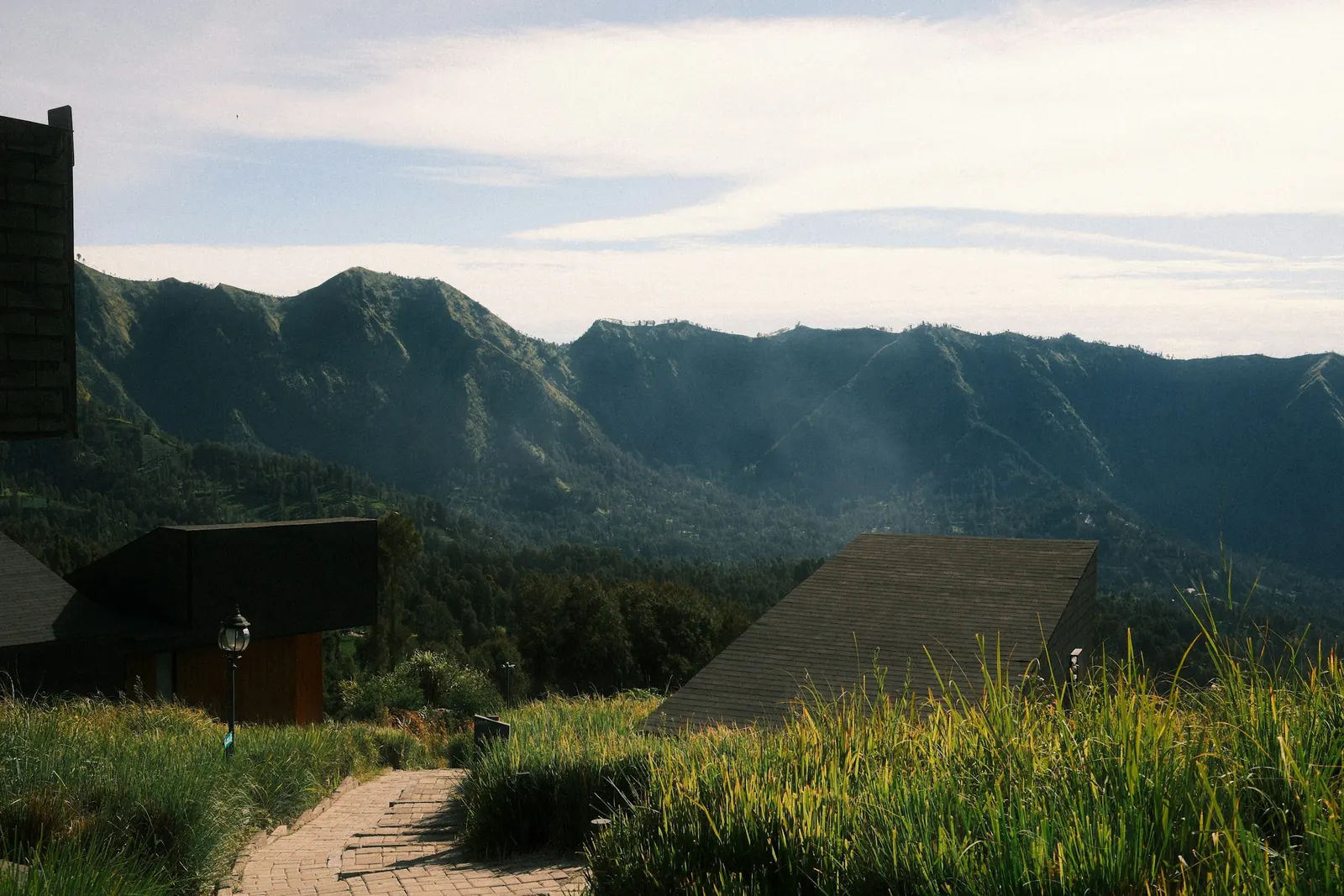
Upon arrival, check into your accommodation. The air here at around 2,000 metres above sea level is noticeably cooler, especially as dusk settles. Use the afternoon to rest, enjoy a simple local dinner, and prepare your gear for the very early start tomorrow. You’ll want to be in bed by 8:00 PM at the latest.
Day 2: Mount Bromo Sunrise & Crater Trek, Onward to Ijen
This is Bromo day. Your alarm will likely sound around 2:30 AM. It’s an early wake-up, but entirely necessary to reach the sunrise viewpoint before the crowds and to secure a good spot. Dress in warm layers – temperatures at this altitude, especially before dawn, can drop to between 0-10°C, even in the dry season.
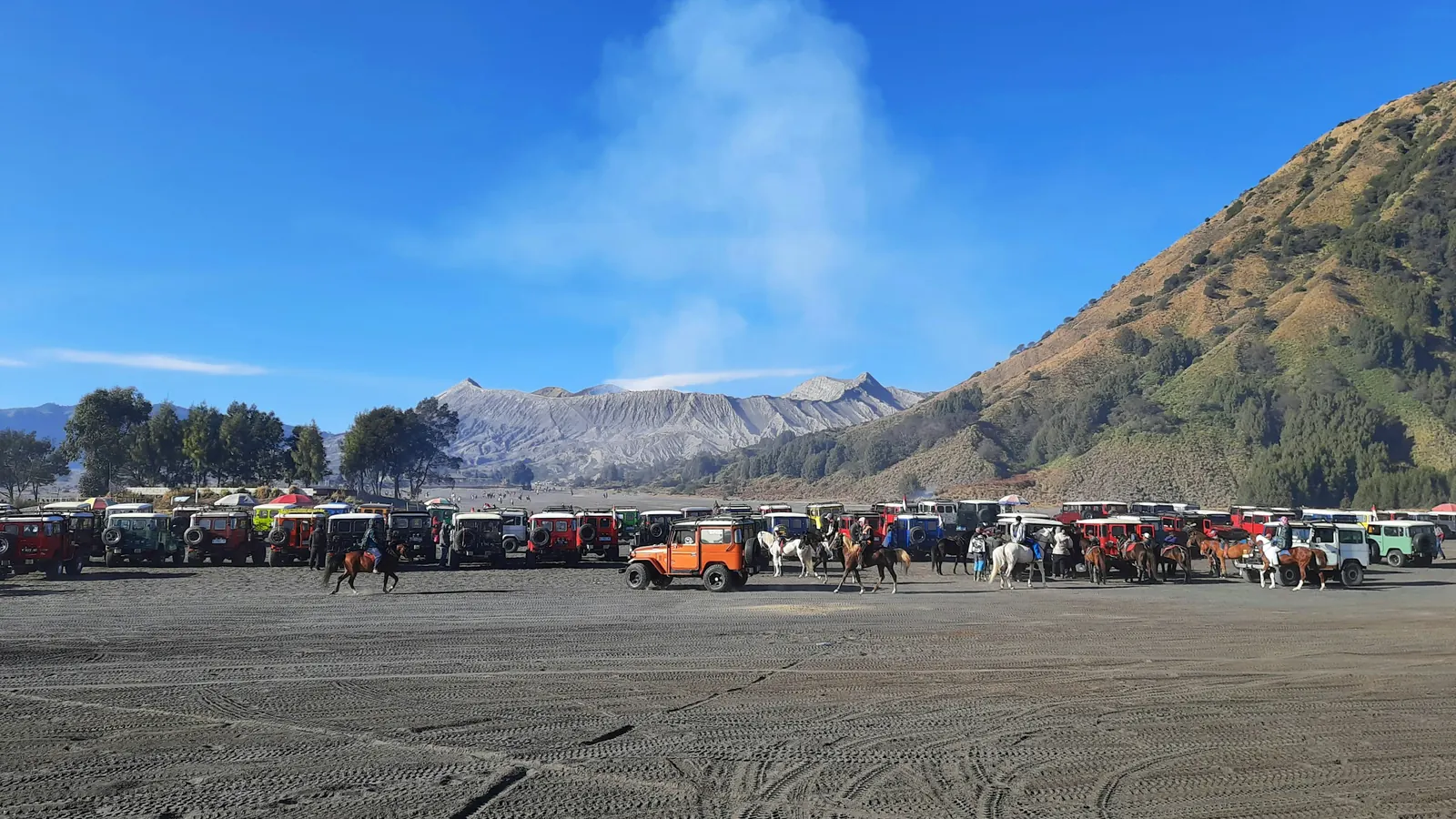
A 4×4 jeep, either an open jeep shared with 4-5 other travelers or a private jeep for your group (up to 6 people), will pick you up. The jeep navigates the dark, bumpy terrain across the Sea of Sand, then climbs steeply to Penanjakan 1, the most popular sunrise viewpoint at approximately 2,770 metres above sea level. You’ll have about an hour to find your spot, grab a hot drink from a local vendor, and watch the pre-dawn sky transform.
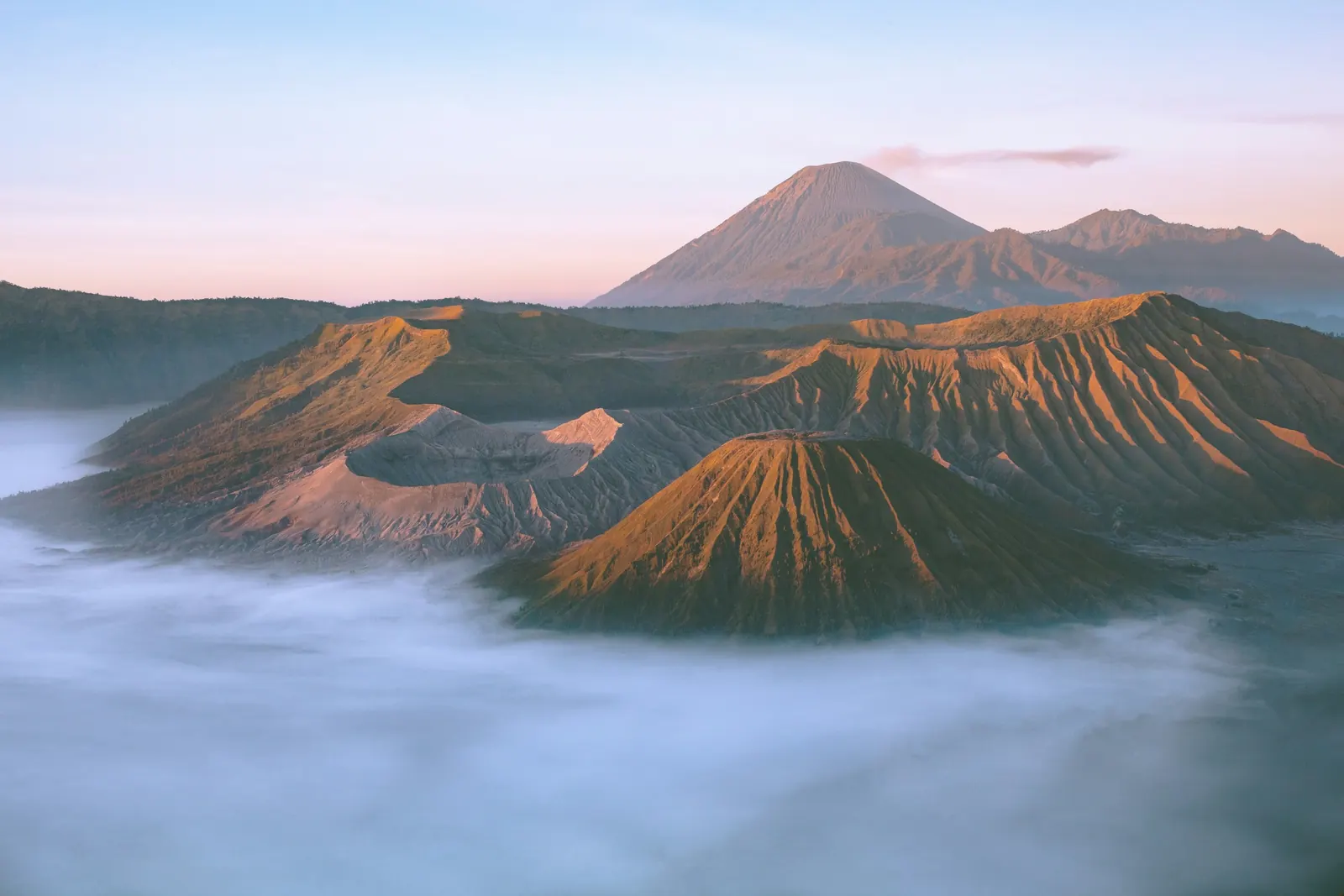
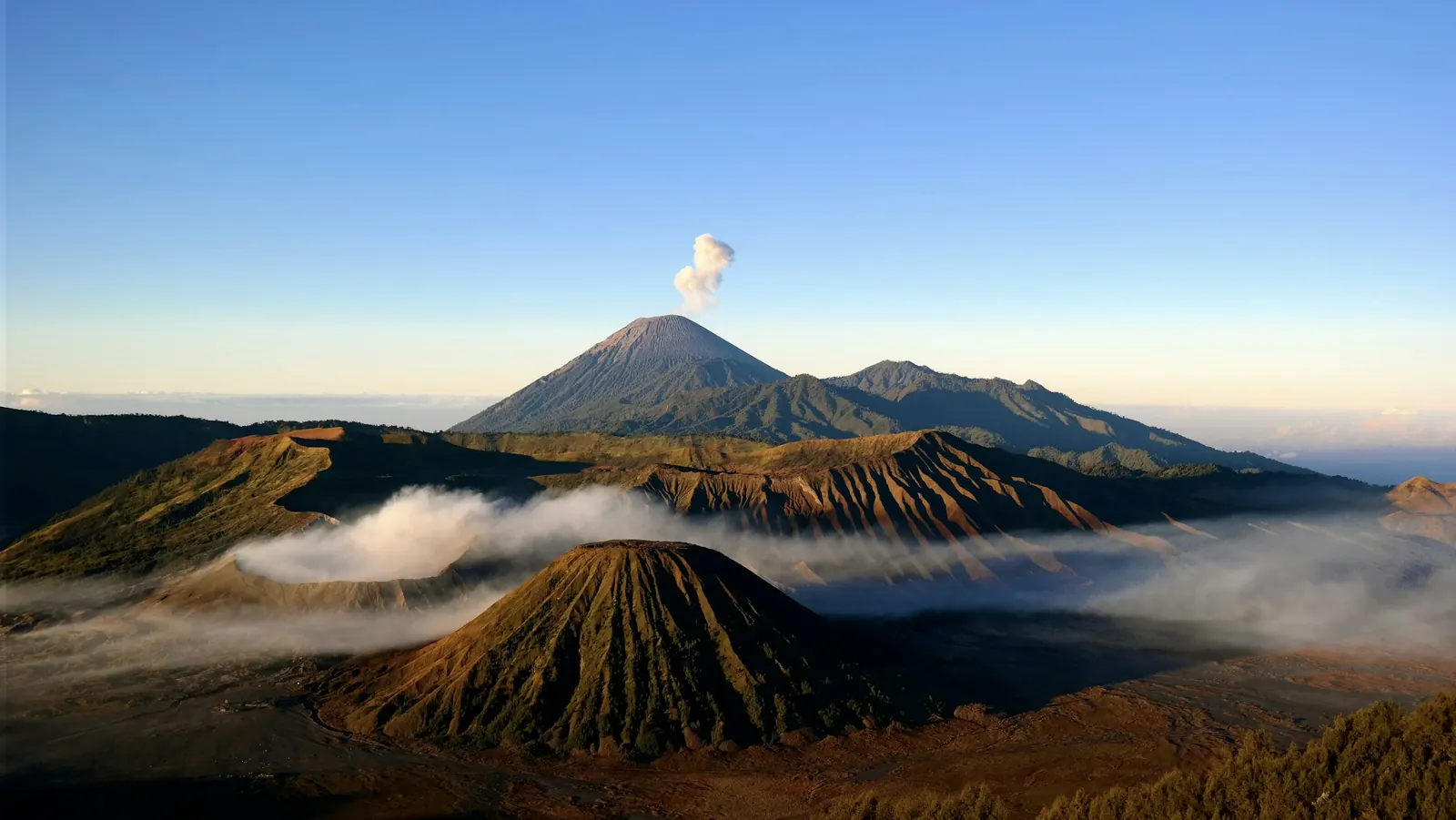
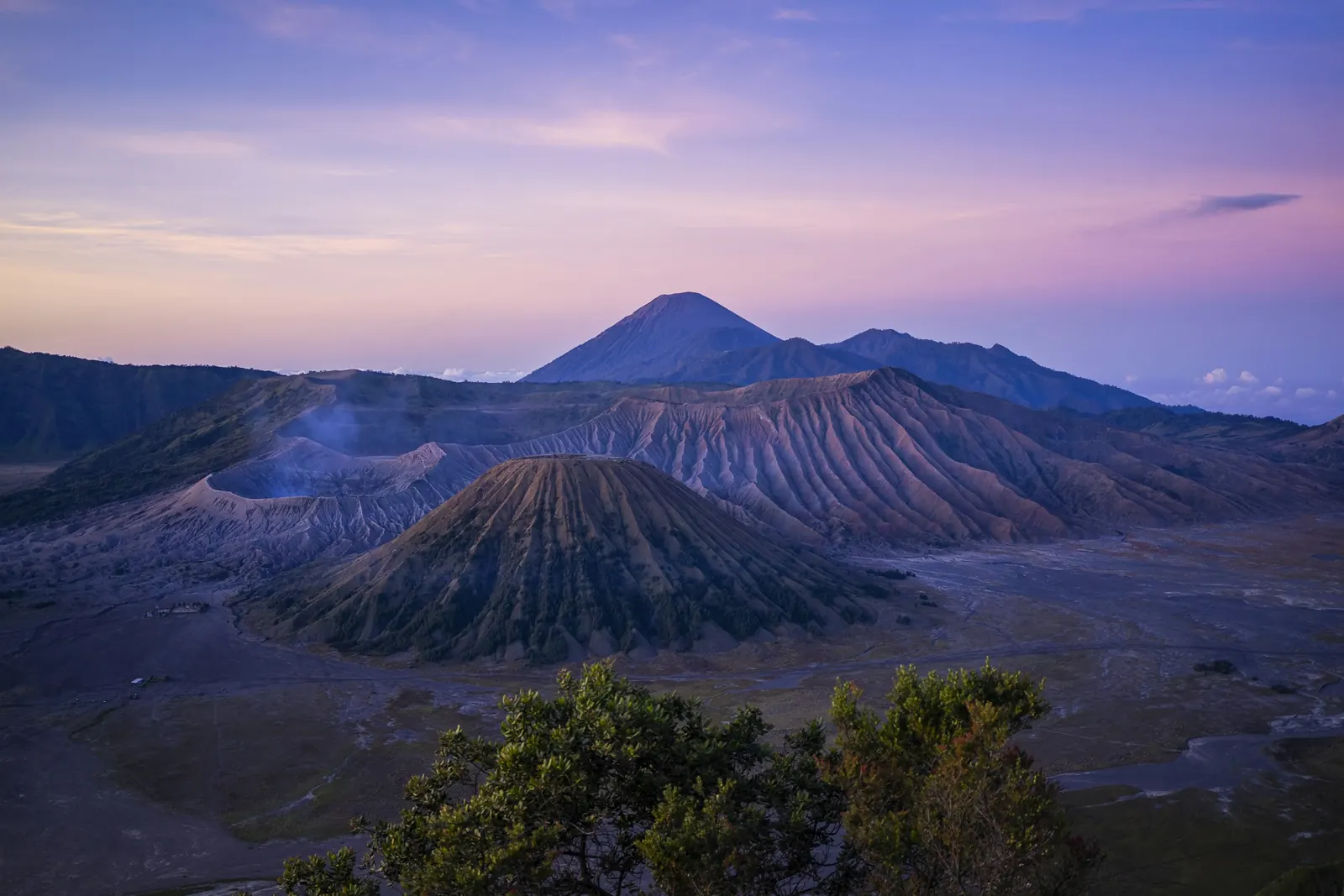
As the sun rises, painting the sky with brilliant hues, the caldera slowly reveals itself. You’ll see Mount Bromo, Mount Batok, and the distant, towering Mount Semeru emerge from the mist. It’s a truly iconic view. After sunrise, your jeep will descend back into the Sea of Sand, dropping you at the base of Mount Bromo itself. From there, it’s about a 30-45 minute walk across the volcanic sand to the base of the Bromo crater. A set of concrete steps leads you up to the Bromo crater rim, standing at 2,329 metres. The view into the active crater, often emitting sulfurous fumes, is raw and powerful.
After soaking in the views, you’ll return to your jeep, head back to your accommodation for a well-deserved breakfast, and check out. The second half of Day 2 involves a significant journey: the drive from the Bromo area to the Kawah Ijen area (typically Sempol or Bondowoso). This transfer is lengthy, usually taking 5 to 7 hours, depending on traffic and road conditions. It’s a chance to catch up on sleep or watch the Indonesian countryside pass by. You’ll arrive at your Ijen-area hotel in the late afternoon or early evening, where another early night is crucial for tomorrow’s midnight trek.
Day 3: Kawah Ijen Blue Fire & Crater Lake, Onward to Bali
Day 3 starts even earlier than Bromo. Your wake-up call will be around 12:00 AM (midnight). After a quick coffee or light snack, you’ll be driven to Paltuding, the official starting point for the Kawah Ijen trek. This drive usually takes about an hour.
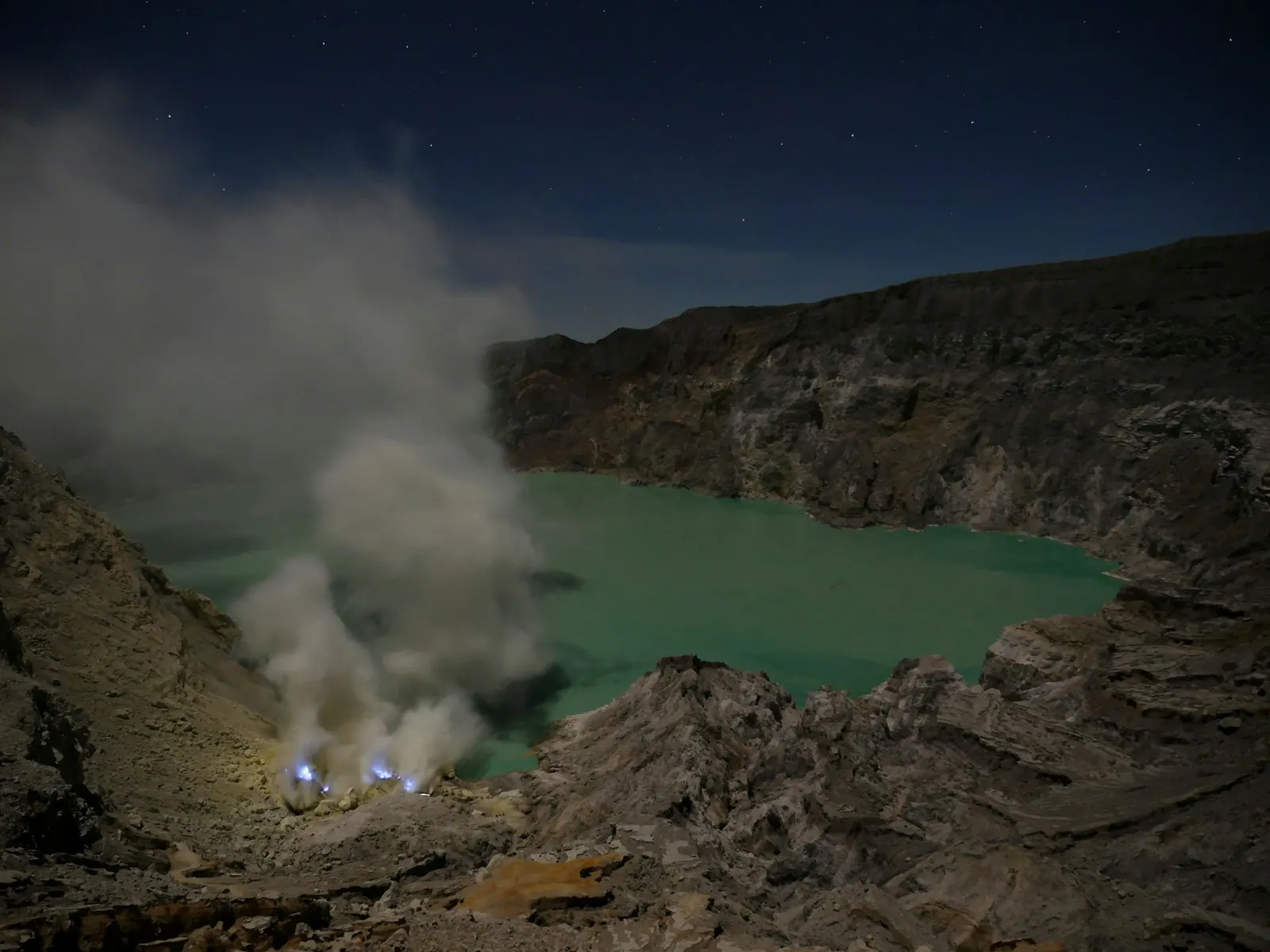
From Paltuding, the trek to the Ijen crater rim begins. It’s a challenging ascent of about 1.5 to 2 hours, covering roughly 3 kilometres with a significant elevation gain. The trail is steep and unpaved in parts. Once you reach the crater rim (2,799 metres), the descent into the crater to witness the famous “blue fire” begins. This part of the trek is particularly steep, rocky, and can be slippery. It takes about 30-45 minutes to descend to the blue fire viewing area. A local guide is essential here, navigating the dark, rocky path. Gas masks are mandatory due to the high concentration of sulfur fumes; these are typically provided by your tour operator or available for rent.
Witnessing the electric-blue flames, caused by ignited sulfuric gas, against the backdrop of the dark crater is a truly unique experience. As dawn approaches, you’ll ascend back to the crater rim to behold the turquoise acidic lake, the largest in the world. The stark landscape and the vibrant colors are mesmerizing. Sulfur miners are often at work, carrying heavy loads of sulfur up from the crater floor – a humbling sight.
After sunrise and taking in the views, you’ll begin the descent back to Paltuding, which takes about 1 to 1.5 hours. From Paltuding, you’ll be driven back to your hotel for breakfast and check-out. Your bromo ijen multi day itinerary concludes with a transfer to Banyuwangi’s Ketapang ferry port, about an hour’s drive. From here, you can take a ferry across to Gilimanuk, Bali (a 1-hour crossing), and then continue with a private transfer to your chosen destination in Bali (typically 3-5 hours to South Bali areas like Seminyak or Ubud). Alternatively, we can arrange drop-off at Banyuwangi Airport (BWX) for onward flights to Surabaya or Jakarta.
3D2N vs. 2D1N: Is Ijen Worth Adding to Your Bromo Trip?
Deciding between a 3D2N bromo ijen 3 days itinerary and a shorter 2D1N Bromo-only trip is a common dilemma. It largely depends on your time, budget, and appetite for adventure. The question, “is ijen worth adding to bromo trip?” is one we get often. Here’s a direct comparison to help you weigh your options:
- Duration & Pacing
- 3D2N Bromo Ijen: A fast-paced, demanding itinerary with two consecutive midnight wake-ups. Day 2 includes a long travel day after the Bromo sunrise. It requires good stamina.
2D1N Bromo Only: More relaxed. One early wake-up for Bromo sunrise. Allows more time to enjoy the Bromo area or return to Surabaya/Malang at a leisurely pace. - Experiences Offered
- 3D2N Bromo Ijen: Mount Bromo sunrise and crater, plus the unique Kawah Ijen blue fire and turquoise crater lake. Offers a broader range of volcanic phenomena.
2D1N Bromo Only: Focuses solely on Mount Bromo’s iconic sunrise and crater trek. - Physical Demands
- 3D2N Bromo Ijen: High. Two very early starts, significant trekking (especially Ijen’s steep, rocky descent/ascent for blue fire), and long drives. Requires a good level of fitness.
2D1N Bromo Only: Moderate. One early start, a walk across the Sea of Sand, and steps to the Bromo crater. Manageable for most people with average fitness. - Logistics & Travel
- 3D2N Bromo Ijen: Involves significant inter-site travel (5-7 hours Bromo to Ijen). Often ends in Banyuwangi for onward travel to Bali, making it a good “bridge” itinerary.
2D1N Bromo Only: Less travel. Typically starts and ends in Surabaya or Malang. - Cost
- 3D2N Bromo Ijen: Higher due to extra day of accommodation, additional transfers, Ijen park entrance fees, and specialized Ijen guide/equipment.
2D1N Bromo Only: Lower, as it’s a shorter trip with less complex logistics. - Best Suited For
- 3D2N Bromo Ijen: Adventurous travelers with good stamina, limited time in Indonesia but wanting to see both major volcanoes, or those planning to continue to Bali.
2D1N Bromo Only: Travelers with less time, those preferring a more relaxed pace, or individuals with fitness limitations who still want to experience a major volcano.
The “brutal back-to-back 2 AM wake-ups” for the bromo ijen blue fire sunrise itinerary are real. It’s an intense couple of days. However, the reward of witnessing both Bromo’s grandeur and Ijen’s unique blue fire is immense for those who are prepared for the challenge. Many travelers find the experience of seeing both to be deeply enriching and well worth the effort.
Planning Your Bromo Ijen Blue Fire Sunrise Itinerary: Key Considerations
Beyond the daily schedule, several practical aspects will shape your Bromo Ijen journey. Understanding these details can make a significant difference in your enjoyment and safety.
Best Time to Visit & Rainy Season Risks
The dry season, typically from April to October, is widely considered the best time to visit both Mount Bromo and Kawah Ijen. During these months, skies are clearer, rainfall is minimal, and trekking conditions are generally excellent. This maximizes your chances of a spectacular sunrise view at Penanjakan 1 and a clear view of Ijen’s blue fire and crater lake.
The rainy season, from November to March, brings increased challenges. Trails can become slippery and muddy, making trekking more difficult and potentially hazardous. Visibility for sunrises and crater views can be significantly reduced due to fog or cloud cover. Critically, Kawah Ijen’s blue fire phenomenon can be affected by weather conditions and gas levels. There’s a higher risk of Ijen being temporarily closed to visitors, especially for the blue fire trek, if gas concentrations are deemed unsafe. While our Bali Premium Trip team constantly monitors park conditions, these closures are at the discretion of the Bromo Tengger Semeru National Park authorities and can occur with little notice. Always reconfirm current park access on booking.
Regardless of the season, temperatures at both Bromo and Ijen before dawn are cold. Expect 0-10°C at Bromo’s Penanjakan 1 (2,770 metres) and similar chilly conditions at Ijen (2,799 metres). Layers are essential: a warm jacket, hat, gloves, and sturdy walking shoes are non-negotiable. Even in the dry season, daytime temperatures can be pleasant, but the early mornings are always cold.
Fitness & Accessibility: Are You Ready for the Trek?
While both locations are volcanic, their accessibility and required fitness levels differ:
- Mount Bromo: The trek to the Bromo crater rim (2,329 metres) is relatively straightforward. After the jeep drops you in the Sea of Sand, it’s a flat walk of about 30-45 minutes, followed by ascending approximately 250 concrete steps to the rim. It’s manageable for most people with average fitness.
- Kawah Ijen: This is a more challenging trek. The ascent from Paltuding to the crater rim (2,799 metres) is steep, covering about 3 kilometres over 1.5 to 2 hours. The path is uneven and unpaved. The descent into the crater for the blue fire is particularly demanding – it’s a steep, rocky, and often slippery scramble in the dark. Good physical fitness, strong knees, and proper trekking shoes with good grip are highly recommended. Anyone with respiratory issues should consult a doctor before attempting the Ijen blue fire trek due to the sulfur fumes. Gas masks are provided, but the air quality can still be challenging.
Open Jeep vs. Private Jeep: What’s the Difference?
For the Bromo portion of your tour, you’ll travel in an iconic 4×4 jeep. There are two main options:
- Open Jeep (Shared): This is the more budget-friendly option. You’ll share the jeep with other travelers (typically 4-5 people). It’s a great way to meet fellow adventurers and often adds to the communal spirit of the sunrise experience. However, pick-up times might be slightly less flexible, and you share the space.
- Private Jeep: Opting for a private jeep means your group (up to 6 people) has the vehicle exclusively. This offers more comfort, flexibility in pick-up times (within reason), and personal space. It’s ideal for families or groups who prefer privacy and a more tailored experience. The cost is higher but can be economical for larger groups.
Our Bali Premium Trip packages offer both options, allowing you to choose what best suits your preferences and budget. Your comfort and safety are our priorities.
Multi-Day Bromo Ijen Madakaripura Tour Add-On
For those with a little extra time and a desire to see more of East Java’s natural wonders, the Madakaripura Waterfall is an excellent addition. This towering waterfall, revered as the meditation site of Majapahit kingdom’s prime minister, Gajah Mada, is about an hour’s drive from the Bromo area, near Probolinggo.
Adding Madakaripura typically extends your multi day bromo ijen madakaripura tour by a few hours, usually integrated into Day 1 or Day 2 of your itinerary. It involves a pleasant walk through a lush valley, often requiring a local guide for safety and navigation through the streams and slippery paths. You’ll definitely get wet from the spray, so bring waterproof bags and a change of clothes. It’s a refreshing contrast to the stark volcanic landscapes and a beautiful experience in its own right.
We can seamlessly integrate Madakaripura into your bromo ijen three days itinerary. Just let our reservations team know your interest, and we’ll adjust the schedule to fit this magnificent natural wonder.
Realistic Costs for a Bromo Ijen Multi-Day Itinerary
Understanding the financial commitment for a bromo ijen multi day itinerary is crucial for planning. The cost of your 3D2N Bromo Ijen trip can vary significantly based on several factors: the number of people in your group, your chosen accommodation level (standard, mid-range, or deluxe), whether you opt for a private or shared jeep for Bromo, and the specific inclusions of your package (e.g., meals, specific types of guides).
As an indicative range, a 3D2N Bromo Ijen tour for two people with standard accommodation and private transfers might typically range from approximately US$300-600 per person. This price would generally include private vehicle transfers between locations, Bromo jeep tour, accommodation (two nights), Bromo and Ijen entrance fees, and local guides for Ijen. Prices are often more economical per person for larger groups.
It’s important to note that these are indicative figures and can fluctuate based on season, fuel costs, and specific hotel rates. Our Bali Premium Trip reservations team offers transparent, all-inclusive package rates tailored to your group size and preferences. We do not add hidden fees or third-party markups. When you book directly with us, you’re getting a clear, upfront cost for your entire itinerary. Last verified June 2026, prices are subject to change, so confirming with our team for the most current rates is always recommended.
Ready to experience the raw beauty of East Java? Our Bali Premium Trip team specializes in crafting seamless, private Bromo Ijen tours. We arrange all third-party services, such as park jeeps, local guides, and permits, through our trusted, licensed local partners.
Plan Your Bromo Ijen Adventure Now
Starting Your Bromo Ijen Tour: Surabaya, Malang, or Banyuwangi?
Your starting point significantly influences the flow and travel time of your bromo ijen tour itinerary 3 days. Each city offers distinct advantages:
Surabaya (Juanda International Airport – SUB)
Surabaya is the most common and often most convenient starting point, especially for international travelers flying into East Java. It’s a major hub with good flight connectivity. A bromo ijen tour from surabaya 3 days typically begins with a morning pick-up and a 3-4 hour drive to the Bromo area. This is ideal if you’re arriving by air and want to minimize initial travel time to Bromo.
Malang (Abdul Rachman Saleh Airport – MLG)
Malang offers an alternative, often slightly shorter, drive to the Bromo area (2.5-3 hours). It’s a charming city known for its colonial architecture and cooler climate. If you find flights directly to Malang, it can be a more relaxed starting point, cutting down on the initial transfer time compared to Surabaya.
Banyuwangi (Ketapang Ferry Port or Banyuwangi Airport – BWX)
Starting from Banyuwangi is less common for a full bromo ijen 3 days itinerary, as it means doing the itinerary in reverse (Ijen first, then Bromo). However, it’s the perfect choice if you’re already in Bali and want to travel overland to Java. You’d take a short ferry from Gilimanuk, Bali, to Ketapang, Banyuwangi. From there, you’d start with the Ijen blue fire trek on Day 1 (or Day 2, depending on arrival time), then proceed to Bromo. This route is excellent for those who want to seamlessly connect their Java adventure to their Bali travels.
Our Bali Premium Trip team can arrange pick-ups from any of these locations, ensuring a smooth start to your adventure, no matter your preferred entry point into East Java. We’ll help you choose the most logical route for your travel plans.
Frequently Asked Questions (FAQs)
How cold does it get at Bromo and Ijen?
It gets very cold, especially before dawn. At Penanjakan 1 (2,770 metres) for Bromo sunrise, temperatures can be between 0-10°C. Kawah Ijen (2,799 metres) is similarly chilly. Warm layers, including a good jacket, hat, and gloves, are essential. Even in the dry season, the early mornings are cold.
Do I need a gas mask for Kawah Ijen?
Yes, a gas mask is mandatory for the Kawah Ijen blue fire trek due to the high concentration of sulfur fumes. Your Bali Premium Trip tour package will include a gas mask for each participant. We prioritize your safety and ensure you have the necessary equipment.
Can children do the Bromo Ijen 3-day itinerary?
While Bromo is generally accessible for children with average fitness, the Kawah Ijen blue fire trek is considerably more challenging. The steep, rocky, dark descent into the crater and the sulfur fumes make it unsuitable for very young children or those not accustomed to strenuous hiking. We recommend it for older children and teenagers who are fit and adventurous. We always advise assessing individual fitness levels for Ijen.
What should I pack for a Bromo Ijen multi-day itinerary?
Pack warm layers (jacket, hat, gloves, fleece), comfortable and sturdy trekking shoes with good grip, a headlamp, a small backpack for daily essentials, a reusable water bottle, sunscreen, sunglasses, a power bank for electronics, and basic toiletries. For Madakaripura, bring a waterproof bag and a change of clothes as you will get wet.
Is it safe to visit Bromo and Ijen during the rainy season?
While possible, visiting during the rainy season (November-March) carries higher risks. Trails can be slippery, visibility might be poor, and there’s an increased chance of Ijen being temporarily closed due to high gas levels or unsafe conditions. It’s always best to visit during the dry season (April-October) for the most favorable experience. Our team at Bali Premium Trip monitors park conditions closely and will advise you on the current situation.
Your East Java adventure awaits. Let our expert team at Bali Premium Trip handle all the details, from comfortable transfers to experienced local guides. We’ll ensure your bromo ijen tour itinerary 3 days is not just planned, but perfectly executed, allowing you to focus on the unforgettable moments. Reach out to us directly for a personalized quote and to confirm current park conditions.
WhatsApp us: +62 811-3941-4563
Email us: [email protected]