Bromo Weather, Rainy Season & Temperature — Month-by-Month Conditions
Mount Bromo Tour Package Editorial Desk Updated 26 Jun 2026 11 min read
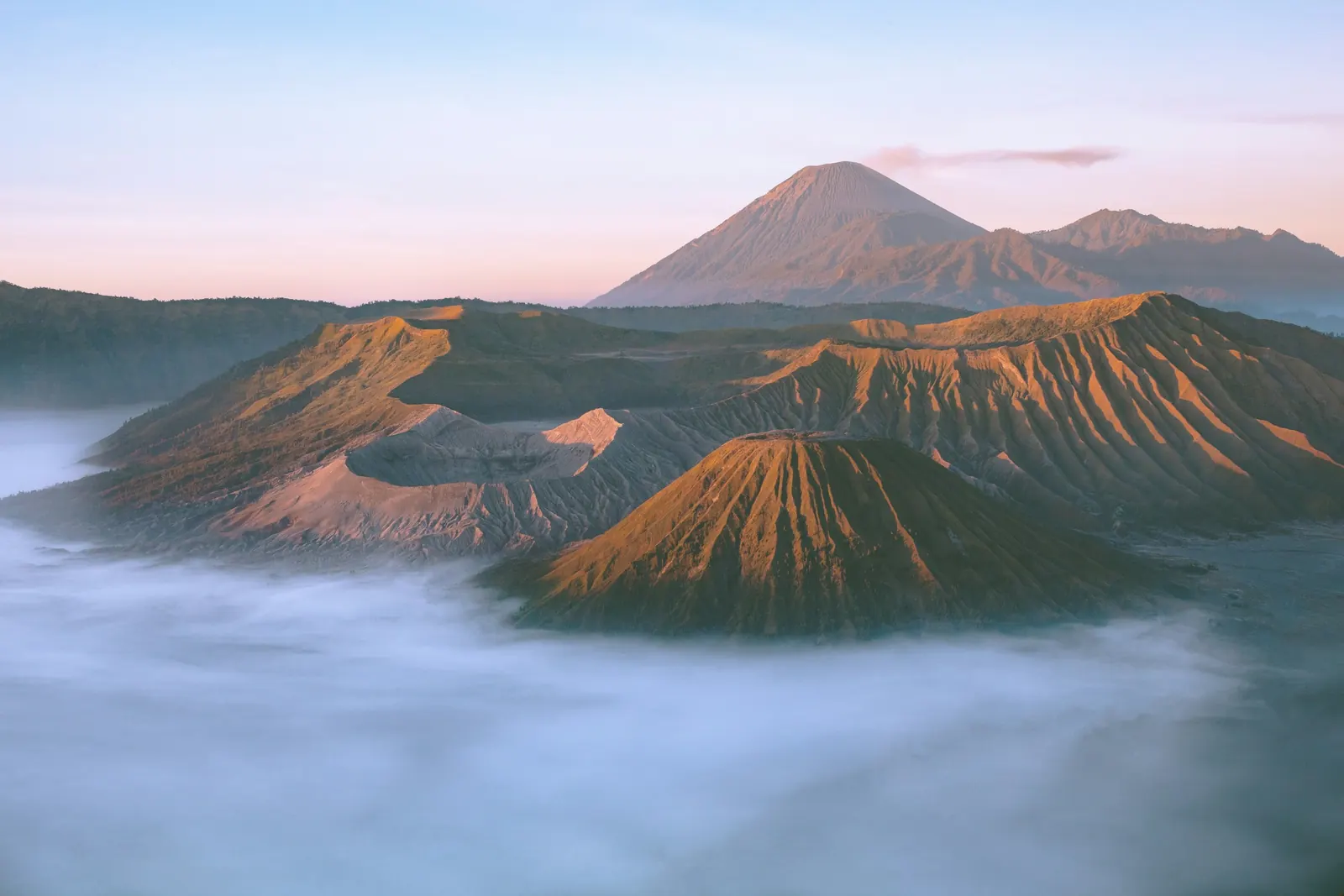
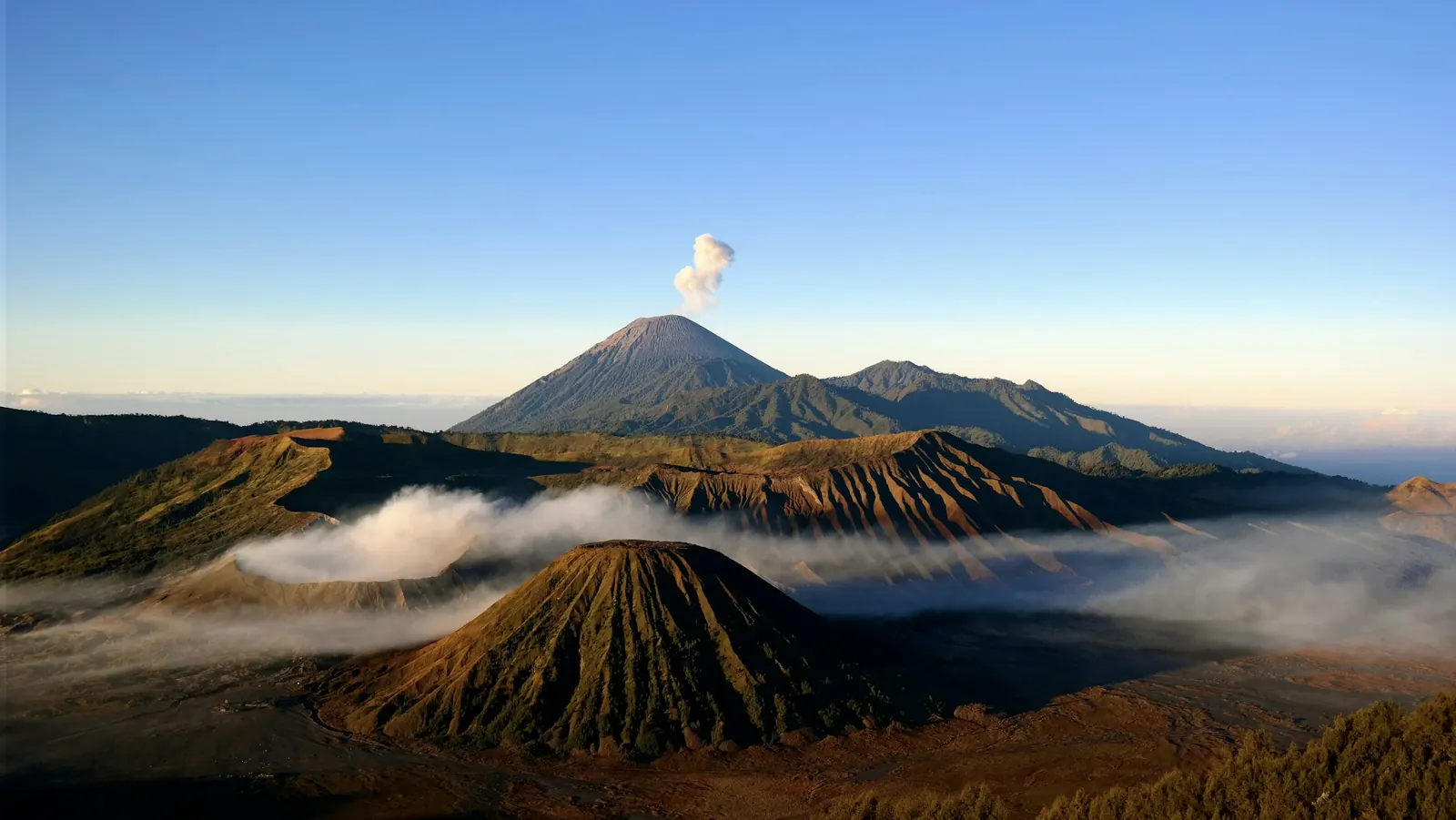
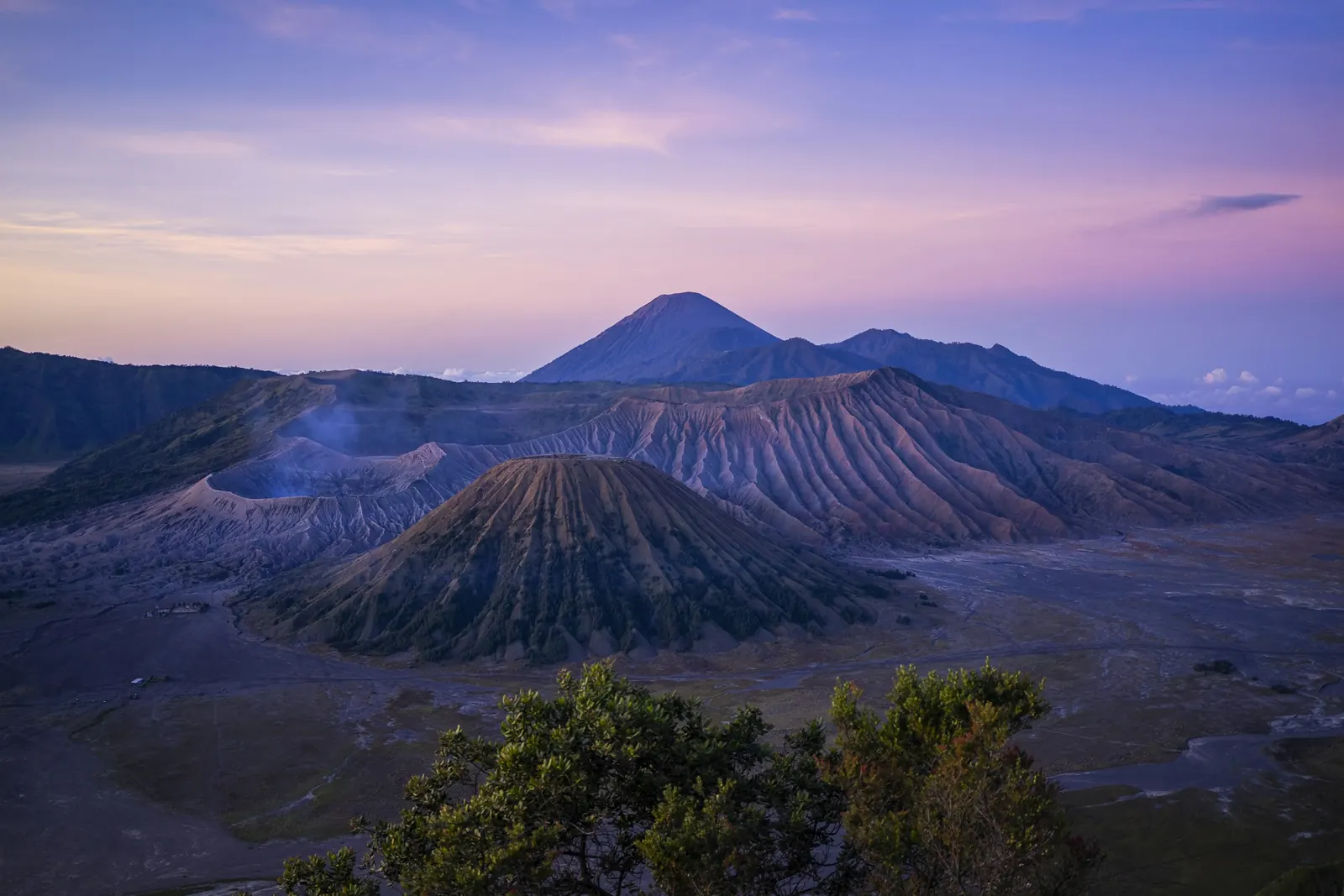
Understanding Bromo weather month by month is essential for planning your visit to Mount Bromo, especially when preparing for sunrise temperatures and navigating the impact of the rainy season. This guide details the typical conditions throughout the year, helping you decide the best time to experience the iconic Penanjakan sunrise, cross the Tengger sea of sand, and ascend to the crater rim.
As your East Java Tours Editor at Mount Bromo Tour Package, we’re our team. We coordinate our Bromo itineraries from the Bali Premium Trip planning desk. Our goal is to equip you with real, practical information drawn from years of guiding travellers here. We’ve watched countless sunrises, felt the predawn chill, and navigated every season. Here’s what you truly need to know.
Mount Bromo’s Climate: Altitude, Temperature, and Seasons
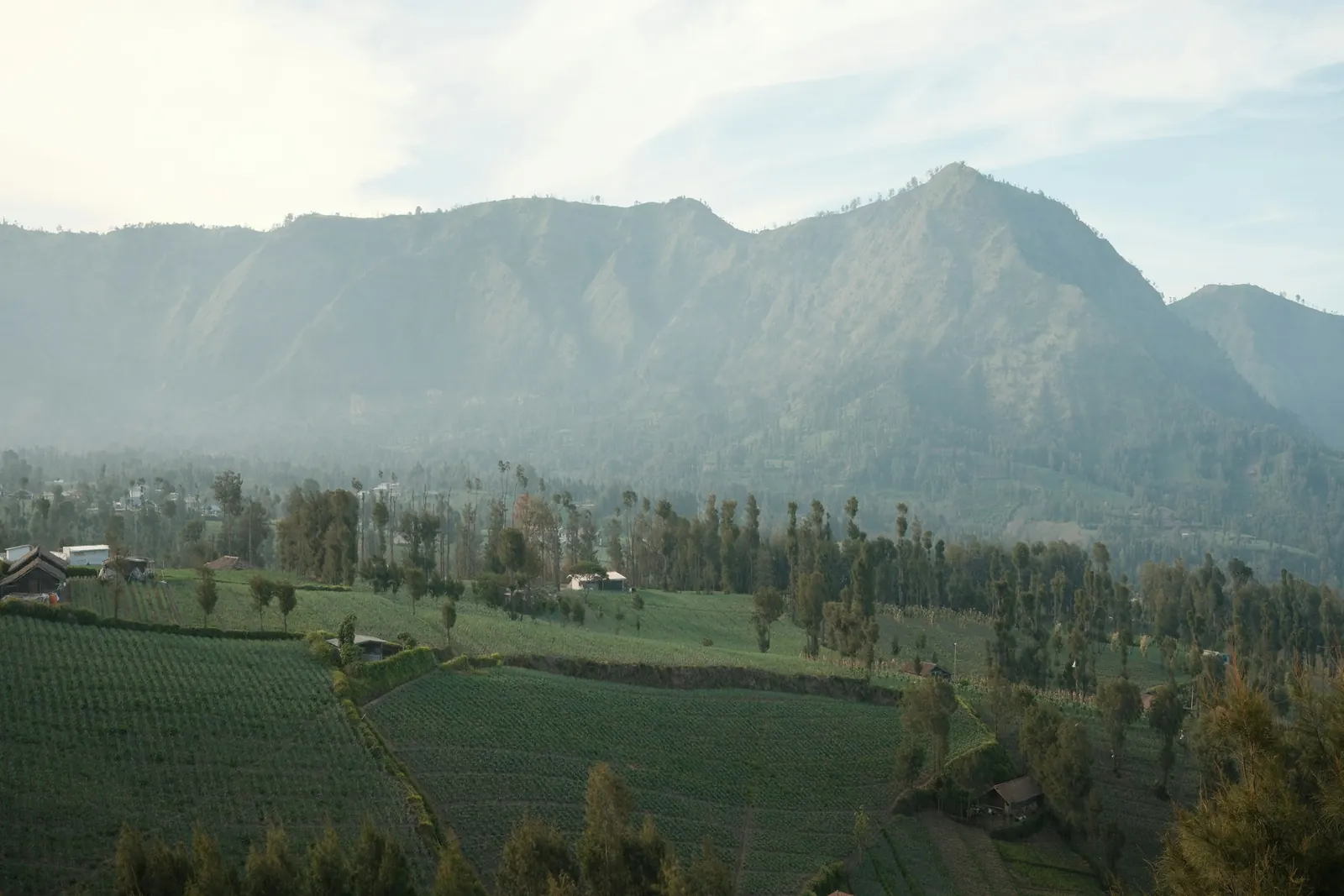
Mount Bromo sits within the Tengger mountains, an active volcano whose summit crater is at an elevation of 2,329 meters (7,641 feet). The popular Penanjakan viewpoint, where most sunrise tours begin, is even higher, at approximately 2,770 meters (9,088 feet). This significant altitude dictates Bromo’s distinct climate, which is notably cooler and often windier than the surrounding lowlands.
The year divides into two primary seasons: the dry season and the rainy season. Each brings its own set of conditions, influencing visibility, comfort, and the overall experience. While Bromo is open year-round, understanding these patterns helps set realistic expectations.
How Cold is Bromo at Sunrise? Expect Chill and Wind
Regardless of the season, mornings at Mount Bromo are cold. Temperatures at Penanjakan viewpoint or the Bromo crater rim before dawn typically range from 3°C to 10°C (37°F to 50°F). This isn’t just a number; the high altitude combined with significant wind chill can make it feel substantially colder. Frost can even form on the ground during the peak dry season months.
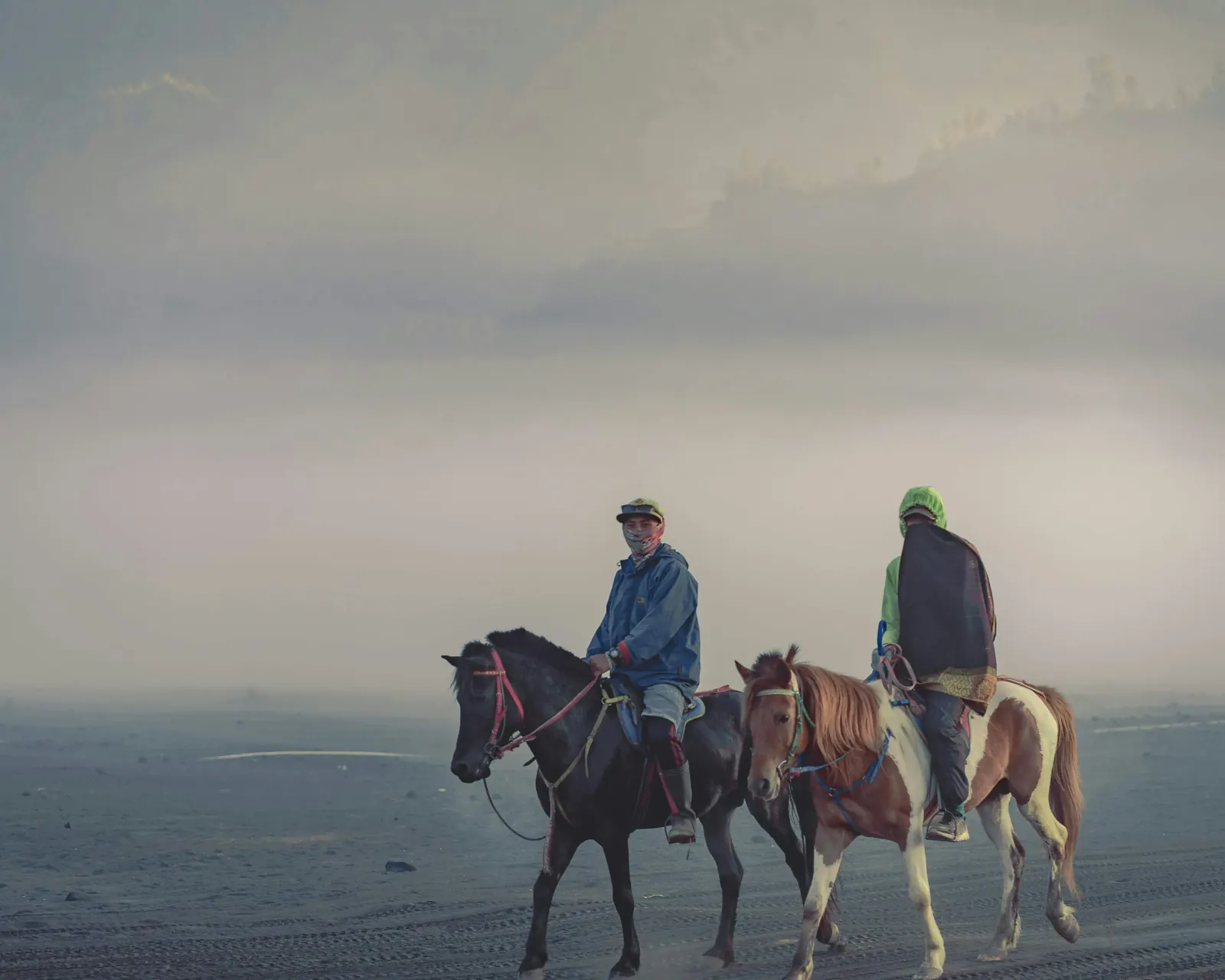
During the jeep ride across the Tengger sea of sand, the open-air nature of the jeeps means you’re exposed to the elements. The wind whips through, intensifying the cold. Layering is not just recommended; it’s mandatory for comfort and safety. We’ll detail specific packing advice later, but always prioritize warmth for those pre-sunrise hours.
Bromo Dry Season: April to October — Clear Skies and Cold Nights
The dry season is generally considered the best month to visit Bromo weather-wise, offering the highest probability of clear skies and unobstructed sunrise views. This period runs from April through October.
April: Transitioning to Dry
April marks the transition from the rainy season to the dry season. The heavy rains of March begin to lessen, and sunny days become more frequent.
- Temperature: Mornings are cool, typically 8-15°C (46-59°F). Daytime is pleasant, 18-25°C (64-77°F).
- Visibility: Good to very good, with fewer cloudy days.
- Crowds: Moderate, picking up towards the end of the month.
- Rainfall: Occasional, light showers are still possible, especially in the early part of the month.
May: The Dry Season Begins in Earnest
May sees a significant decrease in rainfall, with mostly clear, sunny days. The air starts to feel crisper, especially at higher elevations.
- Temperature: Morning lows can dip to 5-12°C (41-54°F). Daytime highs are comfortable, 20-27°C (68-81°F).
- Visibility: Excellent. High chances of clear sunrises.
- Crowds: Moderate to high, as more travellers arrive for better weather.
- Rainfall: Very low.
June, July, August: Peak Dry, Peak Cold, Peak Crowds
These months represent the heart of the dry season. They offer the most reliable clear skies but also the coldest morning temperatures. This period is often considered the best month to visit Bromo weather-wise, but also the busiest.
- Temperature: This is when you truly feel how cold is Bromo at sunrise. Mornings are consistently cold, often 3-8°C (37-46°F), with significant wind chill. Daytime temperatures hover around 18-25°C (64-77°F). Frost can occur.
- Visibility: Superb. Chances of clear, panoramic sunrises are at their highest.
- Crowds: High to very high. Expect many other jeeps at Penanjakan and a busy trail to the crater rim.
- Rainfall: Negligible. Dry, dusty conditions prevail on the sea of sand.
September: Continued Dry, Slightly Warmer
September continues the dry pattern, with clear skies remaining the norm. Morning temperatures might be slightly less severe than the peak winter months.
- Temperature: Morning lows typically 5-10°C (41-50°F). Daytime is pleasant, 20-27°C (68-81°F).
- Visibility: Excellent.
- Crowds: Still high, but might start to thin out slightly towards the end of the month.
- Rainfall: Very low.
October: Approaching Rainy Season
October is the tail end of the dry season. While many days are still clear and sunny, the humidity begins to rise, and occasional pre-monsoon showers might start appearing towards the month’s end.
- Temperature: Mornings are cool, 8-15°C (46-59°F). Daytime is warmer, 22-29°C (72-84°F).
- Visibility: Generally good, but with a slightly increased chance of haze or scattered clouds compared to mid-dry season.
- Crowds: Moderate to high.
- Rainfall: Low, but increasing frequency of short, afternoon showers towards late October.
Bromo Rainy Season: November to March — Clouds, Fog, and Occasional Rain
The rainy season, from November to March, brings a different character to Bromo. While rain is more frequent, it doesn’t mean the park closes or that tours are impossible. It means adjusting expectations for visibility and being prepared for varying conditions. Bali Premium Trip still operates tours during this time, often timing departures to maximise chances during clearer windows.
November: Transitioning to Wet
November marks the shift to the rainy season. Rain becomes more consistent, often in the afternoons, though mornings can still be clear.
- Temperature: Mornings are milder than the dry season, 10-18°C (50-64°F). Daytime temperatures are warmer, 25-30°C (77-86°F).
- Visibility: Variable. Mornings can be clear, but clouds and fog become more common, especially as the day progresses. Sunrise views are less guaranteed.
- Crowds: Moderate.
- Rainfall: Moderate, with increasing frequency and intensity throughout the month.
December, January, February: Peak Rainy Season — What to Expect
These are the wettest months. Mount Bromo temperature what to wear advice becomes critical here, as humidity is high, but mornings are still cool, and rain adds to the chill. Bromo rainy season what to expect includes more clouds, fog, and rain.
- Temperature: Mornings are generally 10-18°C (50-64°F), feeling damp. Daytime temperatures are 25-30°C (77-86°F).
- Visibility: Often poor. Clouds and thick fog are common, making clear sunrise views rare. The sea of sand can be misty.
- Crowds: Lower than dry season, offering a more serene experience when visibility allows.
- Rainfall: High. Expect daily showers, often heavy, usually in the late morning or afternoon. Roads can be wet or muddy.
March: Rain Tapers Off
March is the tail end of the rainy season, similar to April’s transition. Rain starts to decrease, and sunny periods become more frequent.
- Temperature: Mornings are 10-18°C (50-64°F). Daytime temperatures are 25-30°C (77-86°F).
- Visibility: Improving. Clear days become more common, especially in the second half of the month, though fog can still roll in.
- Crowds: Moderate.
- Rainfall: Moderate, but decreasing.
Mount Bromo Temperature: What to Wear for Sunrise and Wind Conditions
Preparing for the Mount Bromo temperature what to wear is crucial for a comfortable and enjoyable experience, especially given the bromo sunrise wind and temperature conditions. The key is layering.
Here’s a practical packing list:
- Thermal Base Layer: A long-sleeved thermal shirt and thermal leggings are highly recommended, particularly during the dry season.
- Mid-Layer: A fleece jacket or thick sweater provides essential insulation.
- Outer Layer: A windproof and waterproof jacket. This is non-negotiable. It protects against the biting wind at Penanjakan and unexpected rain during the rainy season.
- Bottoms: Comfortable trekking pants or thick jeans. Avoid shorts for the early morning.
- Headwear: A warm beanie or wool hat. You lose a lot of body heat through your head.
- Gloves: Essential for keeping your hands warm, especially when holding cameras or navigating the crater path.
- Scarf or Neck Gaiter: Provides extra warmth and protection against the wind and dust.
- Footwear: Sturdy, closed-toe walking shoes or hiking boots. The terrain around the crater is sandy and can be uneven.
- Socks: Thick wool or thermal socks.
Remember, you can always remove layers as the sun rises and temperatures climb. It’s better to be over-prepared than under-dressed for the cold.
Bromo Rainy Season vs Dry Season Tour: Comparing the Experience
Choosing between a Bromo rainy season vs dry season tour depends on your priorities. Both offer unique aspects.
- Dry Season (April-October)
-
- Pros: Highest chance of clear, unobstructed sunrise views. Ideal for photography. Comfortable trekking conditions across the sea of sand. Less dust.
- Cons: Peak crowds, especially July-August. Can be very cold at sunrise with potential frost. Dustier conditions on the sea of sand later in the morning.
- Experience: Classic, postcard-perfect Bromo. Expect a vibrant sunrise with crisp air.
- Rainy Season (November-March)
-
- Pros: Fewer crowds, offering a more tranquil experience. The landscape is greener and more vibrant. Milder morning temperatures (though still cool).
- Cons: Higher risk of clouds, fog, and rain obscuring sunrise views. Trails can be muddy. Sea of sand can be damp. Lower visibility.
- Experience: A more atmospheric, moody Bromo. Sunrises might be partially or fully obscured, but the landscape can feel more dramatic and less commercial.
Bali Premium Trip advises you on what to expect for each period. We adjust our timings and provide warm-up logistics to make your experience comfortable, no matter the season. While we cannot guarantee weather, we help you understand the probabilities.
Is Bromo Open During Rainy Season? Park Accessibility and Caveats
A common question we receive is: is Bromo open during rainy season? The answer is generally yes, Mount Bromo and the Tengger Semeru National Park remain open year-round.
However, there are important caveats:
- Volcanic Activity: The park can close temporarily due to increased volcanic activity (e.g., elevated alert levels, ashfall, or seismic tremors). These closures are unpredictable and can happen at any time of year, not just during the rainy season.
- Extreme Weather: In rare cases of extremely heavy rainfall, landslides, or severe fog that makes travel unsafe, certain roads or viewing points might be temporarily closed. These are usually short-term safety measures.
- Visibility: While the park is open, visibility for sunrise views is significantly lower during the peak rainy season (December-February). You might see clouds, fog, or rain instead of the full panorama.
Our team at Bali Premium Trip monitors park conditions daily. We provide real-time updates and will always communicate any potential disruptions or changes to your itinerary. We prioritize your safety and experience.
Best Month to Visit Bromo Weather-Wise
Considering all factors, the best month to visit Bromo weather-wise for clear skies and the classic sunrise experience is typically June, July, or August. These months offer the highest probability of clear weather, though they also come with the coldest morning temperatures and the largest crowds.
If you prefer fewer crowds and don’t mind a slightly higher chance of clouds, the shoulder months of April, May, September, and October are also excellent choices. You still get good weather, but with a more relaxed atmosphere.
The rainy season (November-March) is for those who prioritize a less crowded, more introspective journey and are content with the possibility of obscured views, appreciating the raw, moody atmosphere Bromo can offer in such conditions.
No matter when you choose to visit, preparing for cold mornings and variable conditions is key.
Ready to experience Mount Bromo? We’ll help you time your visit perfectly.
Or chat with us directly via WhatsApp for quick planning advice.
Comparative Glance: Dry vs. Rainy Season at Bromo
Here’s a quick comparison of the key differences between Bromo’s two seasons:
| Feature | Dry Season (April – October) | Rainy Season (November – March) |
|---|---|---|
| Overall Weather | Sunny, clear skies, low humidity | Cloudy, frequent rain, high humidity |
| Sunrise Visibility | High probability of clear, panoramic views | Low probability of clear views, often foggy/cloudy |
| Morning Temperature | Very cold (3-10°C), strong wind chill, potential frost | Cool (10-18°C), damp, less severe wind chill |
| Daytime Temperature | Pleasant (18-27°C) | Warmer (25-30°C) |
| Crowd Levels | High to very high (peak July-August) | Lower to moderate |
| Landscape | Dryer, often dusty sea of sand, golden hues | Greener, lush vegetation, damp sea of sand |
| Road Conditions | Dry, dusty | Potentially wet, muddy in some areas |
For an indicative price range, a private 2-day/1-night Bromo tour from Surabaya or Malang, including private transport, jeep tour, and accommodation, might cost around US$250-500 per person. A longer 3-day/2-night Bromo + Ijen combo trip could range from US$450-800 per person, depending on hotel class, group size, and inclusions. These are indicative ranges and vary by season and specific services, last verified June 2026. Remember that our jeeps typically accommodate 4-6 passengers for the Bromo sunrise and sea of sand exploration.
Frequently Asked Questions About Bromo Weather
Is it safe to visit Bromo during the rainy season?
Yes, it is generally safe to visit Bromo during the rainy season. The national park remains open, and tours continue to operate. The primary difference is the increased chance of rain, clouds, and fog, which can affect visibility for sunrise views. Always check the latest weather and park alerts, and be prepared for wet conditions. Bali Premium Trip closely monitors conditions to ensure safe and well-timed tours.
What are the wind conditions like at Bromo sunrise?
The bromo sunrise wind and temperature conditions are a key factor in how cold it feels. Winds at Penanjakan viewpoint and the crater rim can be strong and biting due to the high altitude. This wind chill significantly lowers the perceived temperature, making even moderate cold feel much more intense. A windproof outer jacket is therefore essential, along with a warm hat and gloves.
Do tour prices change between the dry and rainy seasons?
Tour prices for Mount Bromo can fluctuate based on demand, which is generally higher during the dry season (peak season). While the core tour components remain similar, accommodation costs might be slightly lower during the rainy season due due to reduced tourist numbers. However, prices are also influenced by factors like fuel costs, vehicle maintenance, and specific inclusions. We always provide transparent pricing based on your chosen dates and itinerary.
How much rain does Bromo get in the peak rainy season?
During the peak rainy season, from December to February, Mount Bromo receives significant rainfall. Expect daily showers, often heavy, though they typically occur in the late morning or afternoon rather than continuously throughout the day. Mornings can sometimes still offer clear windows, but the probability of rain and thick fog is considerably higher than in the dry season. The landscape will be noticeably greener, but the sea of sand might be damp or muddy in places.
Ready to plan your unforgettable Mount Bromo adventure? Our experts are here to help.
Plan Your Trip with Bali Premium Trip
Connect with us on WhatsApp for personalised itinerary crafting and real-time advice.
No one can pay to change what we publish; if you proceed with our partner they may pay us a referral fee at no extra cost to you.