Mount Bromo Tour Fitness, Accessibility & Who Can Go
Mount Bromo Tour Package Editorial Desk Updated 26 Jun 2026 2 min read
The bromo tour fitness level required is lower than many travellers expect: for the classic sunrise and jeep tour, most healthy adults and school‑age children can manage it comfortably. Mount Bromo is one of Java’s most accessible volcanoes because jeeps handle almost all the climbing, and the main walking is on flat volcanic sand plus an optional staircase to the crater rim.
What the Mount Bromo tour actually involves, physically
Before deciding if Bromo is right for you or your group, it helps to visualise the whole route. Below is what a typical private Mount Bromo sunrise & jeep tour with us looks like, step by step.
1. Pre‑dawn wake‑up and drive
- Wake‑up time: usually between 01:30–03:00, depending on where you stay (Cemoro Lawang vs Sukapura vs Probolinggo).
- Vehicle: private car or minivan to the jeep point, then a local 4×4 jeep inside the Bromo Tengger Semeru National Park.
- Altitude gain: from roughly 200–1,600 m at your hotel up to 2,700–2,900 m at the main viewpoints (e.g. Penanjakan / King Kong Hill area).
Physically, this stage is easy. You are seated the whole time. The main challenge is sleep disruption and cold temperatures (often 5–10°C before sunrise in the dry season at the higher viewpoints). Expect some bumpiness on the narrow mountain roads; guests with back issues should mention this during planning so we can choose gentler routes and driving speeds.
2. Sunrise viewpoint: Penanjakan, King Kong Hill or Seruni Point
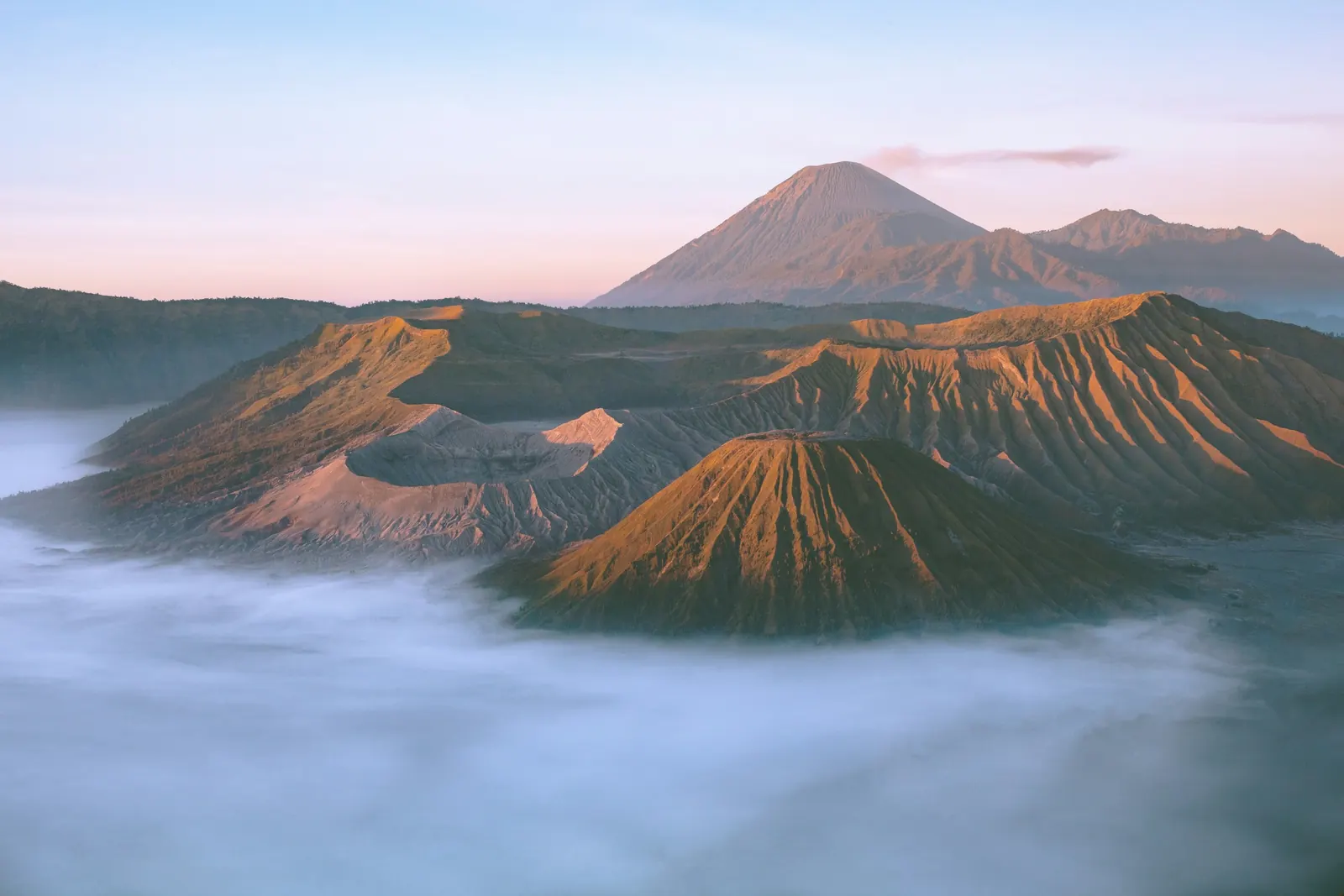
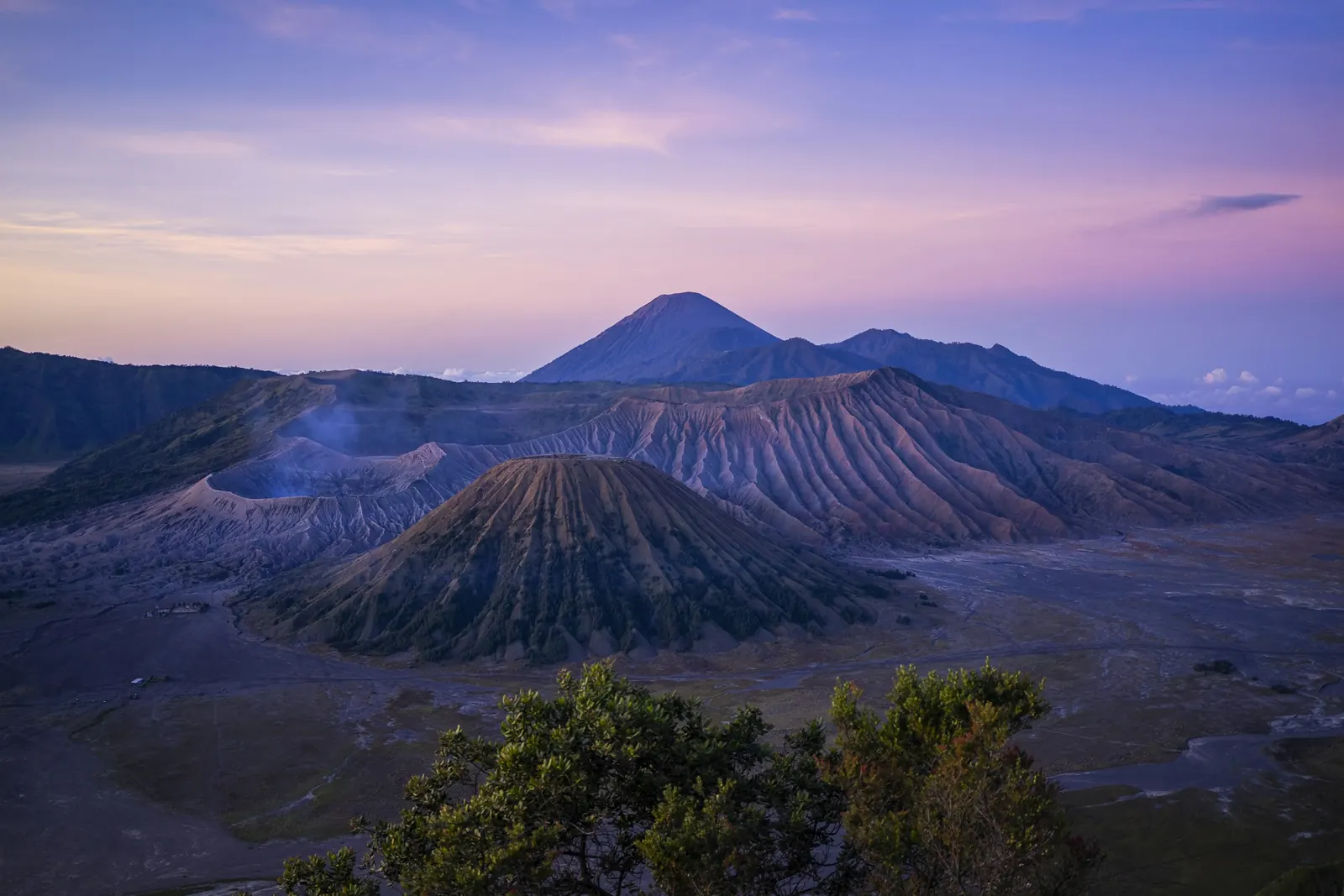
Most travellers watch sunrise from one of the ridgeline viewpoints on the north side of the caldera, all around 2,600–2,900 m above sea level. Walking requirements vary slightly by point:
- Penanjakan area
- Short walk of roughly 300–600 m from the jeep parking area on a paved or packed-dirt path, with occasional gentle slopes.
- King Kong Hill (Bukit Kingkong)
- Similar distance, slightly narrower paths, but still manageable for most people with normal balance and mobility.
- Seruni Point
- Includes some steps and steeper gradients; better views, but a bit more demanding for knees and lungs.
At this stage:
- Mount bromo accessibility difficulty level:
- Terrain:
- Crowds:
If you prefer minimal walking, tell us in advance. We can work with the jeep cooperative to park you closer to the most suitable viewpoint where possible, then allow extra time for a relaxed walk.
3. Jeep ride across the Tengger “sea of sand”
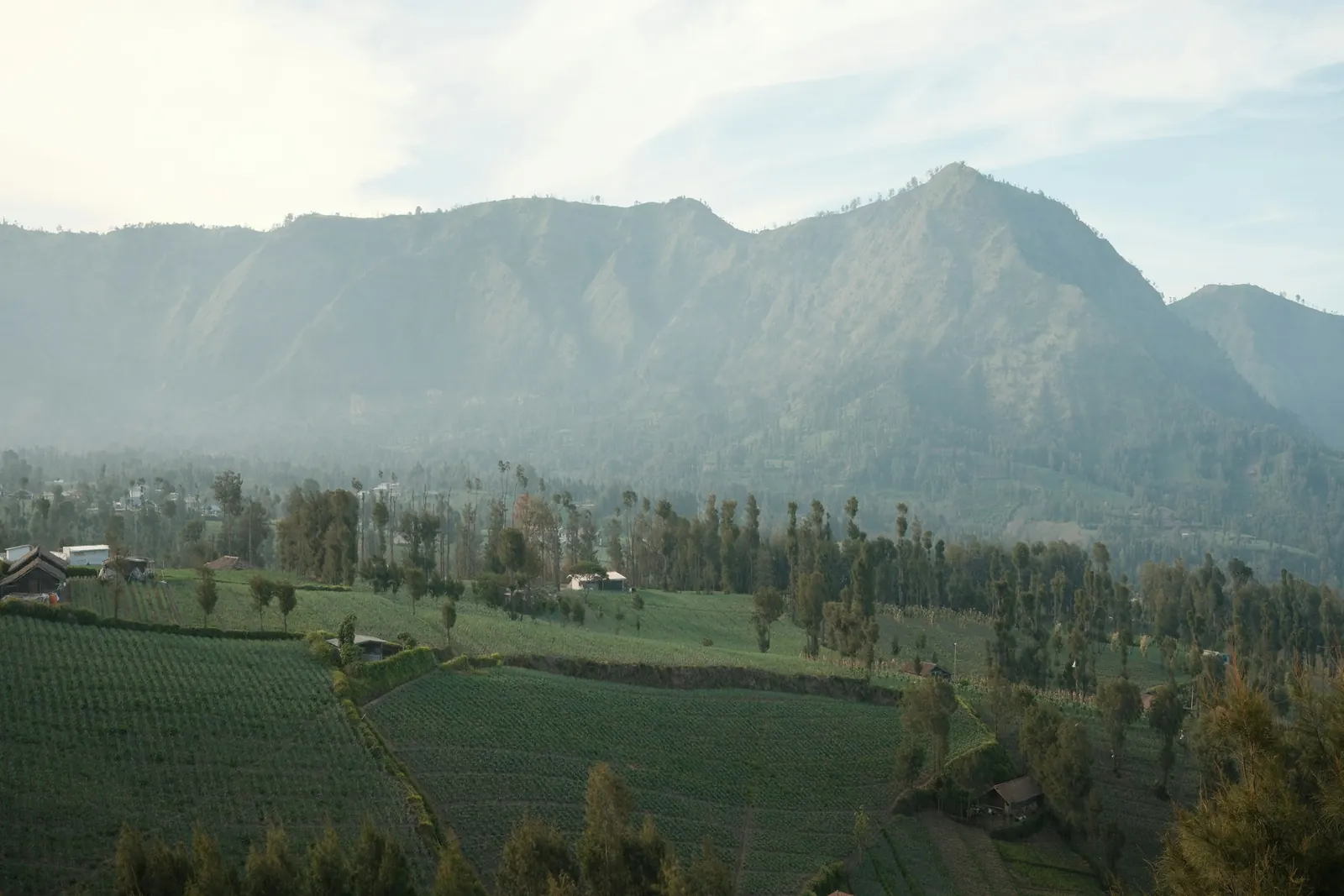
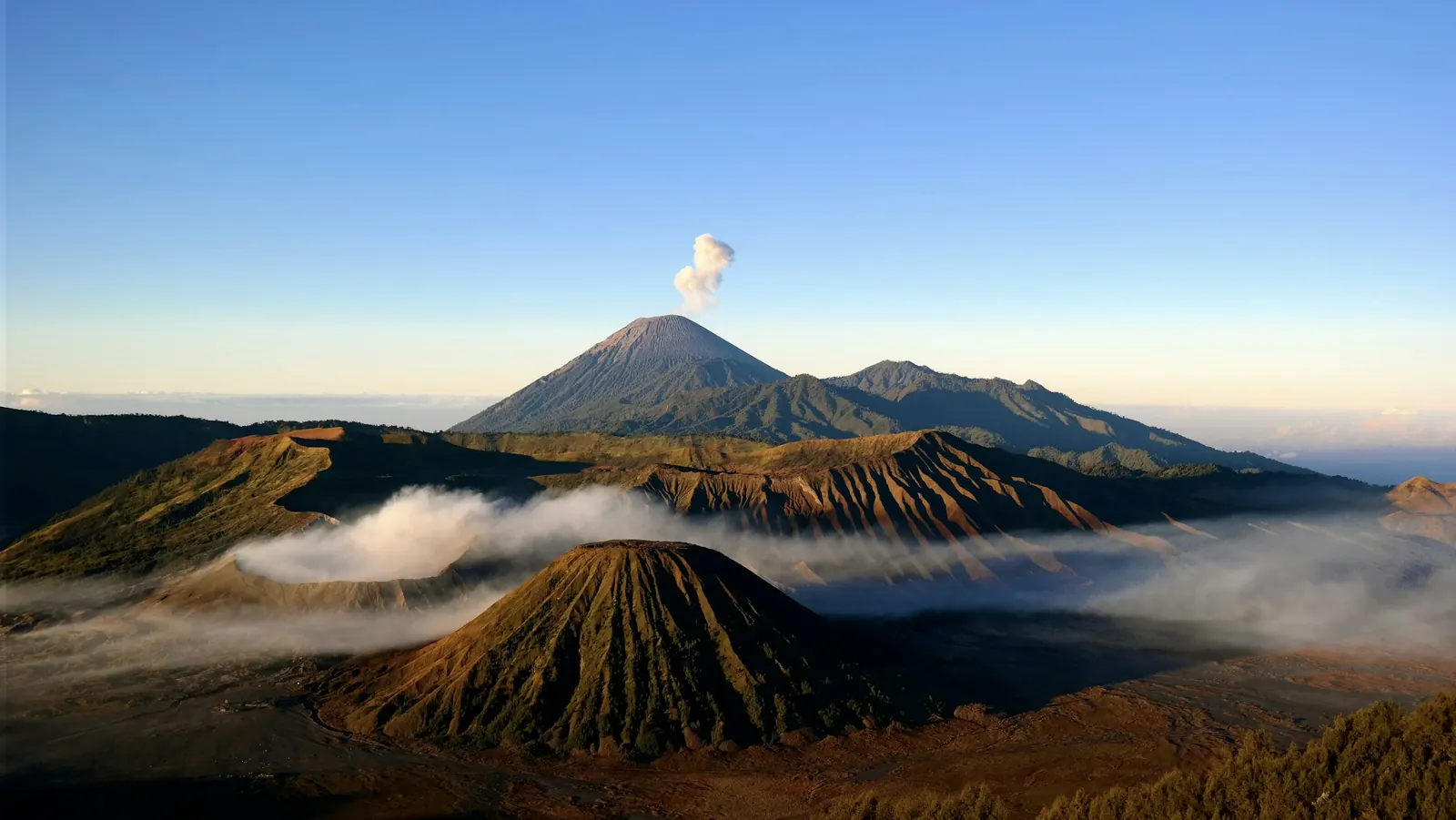
After sunrise, jeeps descend into the ancient caldera at around 2,100–2,300 m. The landscape turns into a wide plain of black volcanic sand, crossed in 10–20 minutes on rough, sometimes corrugated tracks.
- Physical effort:
- Sensations:
- Temperature:
This segment is generally fine for kids, elderly guests and most pregnant travellers
4. From jeep park to the foot of Mount Bromo
Once the jeep parks on the sand plain, you have two options to reach the foot of Bromo:
- Walk:
- Horseback ride:
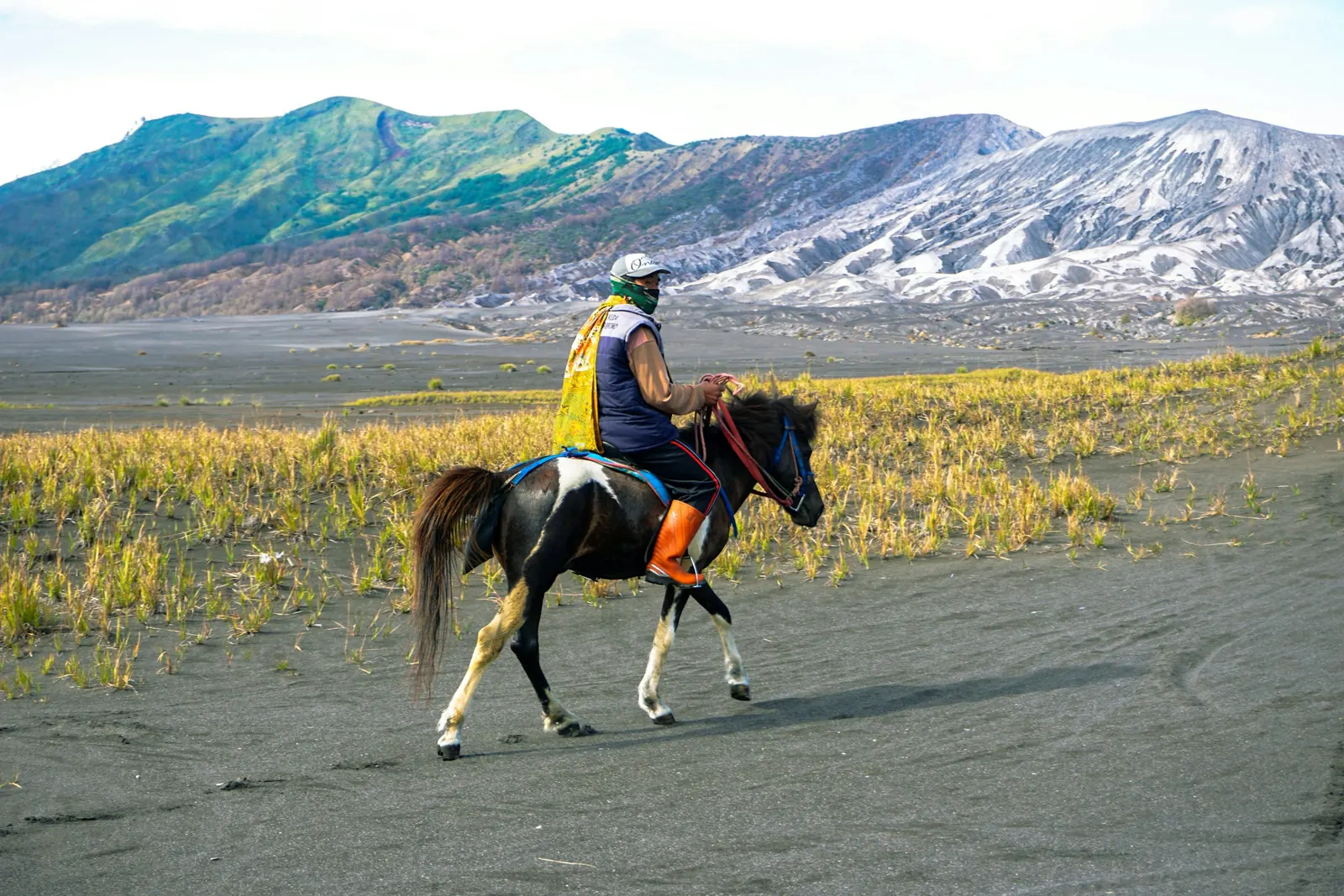
The mount bromo jeep tour with horseback riding setup is simple: the jeep brings you to the sand; horses (run by local villagers) cover the flat section; the stairs are always on foot.
More detail on walking vs horses is in a later section, but for fitness planning, think in terms of a 1.5–2 km round‑trip walk on sand, plus time on steps if you choose to climb.
5. The Mount Bromo crater rim steps climb
From the base of the cone, a long staircase leads up to the crater rim:
- Number of steps:
- Gradient:
- Altitude at rim:
This is the only clearly demanding part of the standard tour. People with normal fitness can usually reach the top in 10–20 minutes with short breaks. Those who exercise rarely may need more pauses, and that is absolutely fine. There is no time limit from our side; we set the pace to match you.
Important:optional. You can stop at the base, enjoy the view of Bromo from the sand plain, photograph the temple (Pura Luhur Poten), and let others climb if you do not feel ready or safe to attempt the stairs.
6. Walking on the crater rim
At the top of the staircase, a narrow path runs along part of the crater rim. It offers clear views into the smoking crater and across the caldera. However:
- The path is not wide and has drops on one side.
- No continuous guardrail along the entire rim section.
- The ground can be dusty, with loose gravel underfoot.
We recommend that guests who are unsteady on their feet, have vertigo, or are supervising small children closely stay near the top of the stairs, where the area is somewhat more contained, rather than walking far along the rim.
Mount Bromo accessibility: who can go comfortably?
With the basic route laid out, let’s look at typical groups and how they experience Bromo.
| Traveller type | Main challenge | Typical solution |
|---|---|---|
| Families with kids | Early wake‑up, cold, boredom between stops | Extra layers, snacks, shorter stair climb, flexible photo stops |
| Elderly guests | Steps, uneven ground, altitude | Horse to base, optional skip stairs, more rest breaks |
| Pregnant travellers | Bumps in jeep, fatigue, altitude discomfort | Smoother pacing, good seats, possible no‑stairs version |
| Limited mobility | Walking distance, steps | Jeep access as close as possible, horse support, sand‑only tour |
Below are more detailed notes for each group.
Family friendly Mount Bromo tour package: kids of different ages
A bromo tour with kids family friendly can be very rewarding. The lunar landscape, jeeps, and horses fascinate most children. The main considerations are age and attention span.
Babies and toddlers (0–3 years)
- We usually do not recommend the full sunrise + crater rim climb for this age unless parents are very experienced travellers and fully aware of the conditions.
- Issues include cold, thin air, dust, long transport times, and no child‑specific facilities at viewpoints or on the sand.
- If parents are set on visiting, a later‑morning, no‑stair, short‑stay version is safer and less exhausting for everyone.
Young children (4–7 years)
- Most can manage the short walks at viewpoints and on the sand, especially with hand‑holding and frequent breaks.
- Climbing all 250 steps to the crater rim is often too much. Many families climb partway, then return before fatigue or tears start.
- We strongly suggest warm layers, scarves or buffs against dust, and a small headlamp or torch for pre‑dawn walking.
Older children & teens (8+ years)
- Usually handle the full standard itinerary well, including the staircase, if they are generally healthy.
- Can walk instead of taking a horse, or ride one‑way to save energy for the steps.
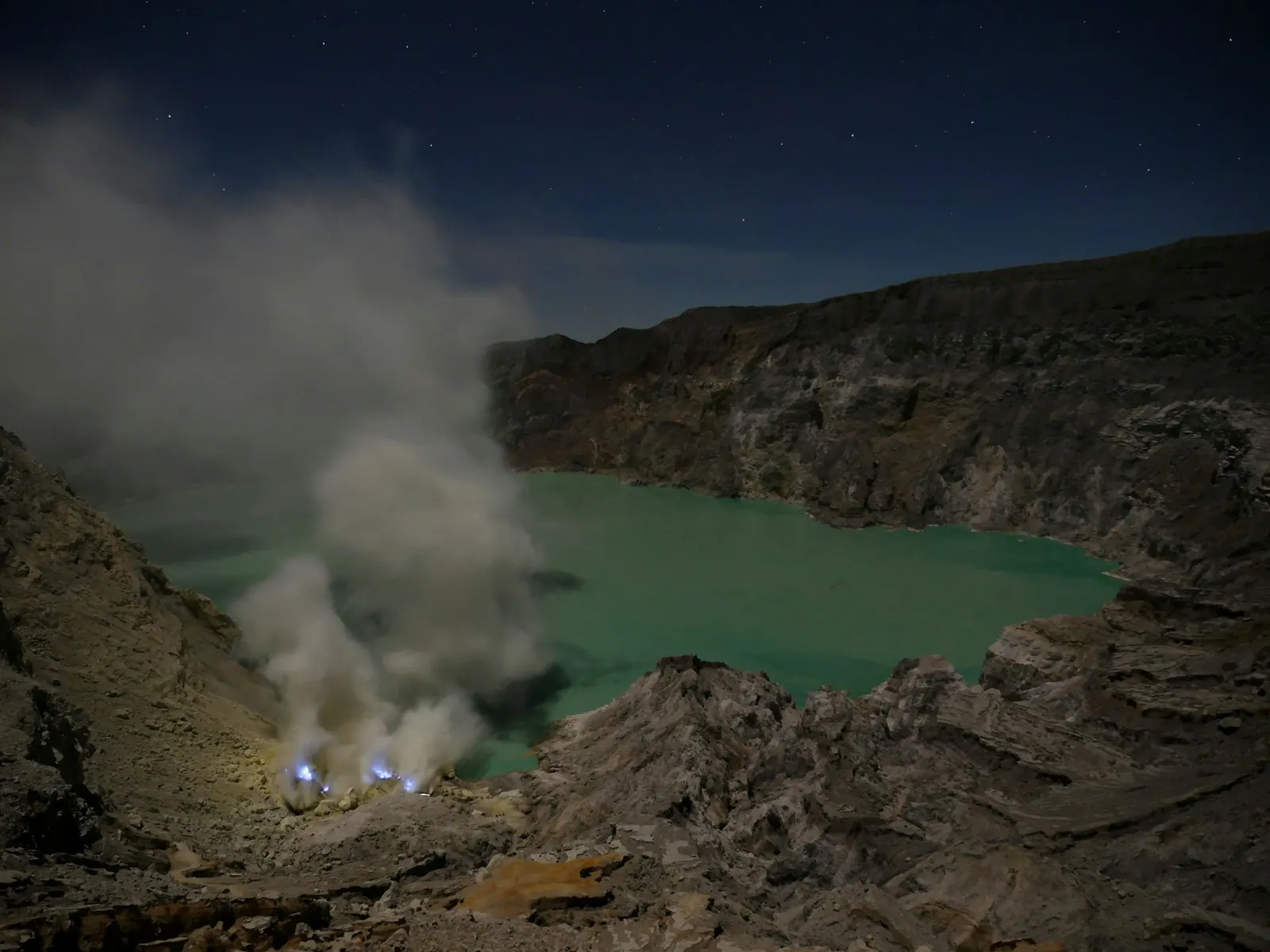
- Curious teens often enjoy adding Ijen or Madakaripura waterfall; in that case we plan rest days and realistic pacing.
For families, private tours make a big difference. Because we do not join you with other groups, we can adjust departure times slightly, choose less crowded viewpoints where possible, and limit pressure to “keep up” with faster walkers.
Elderly travellers: realistic expectations
For many older guests, the mount bromo accessibility difficulty level is surprisingly manageable. The key is to separate the jeep‑based sightseeing from the more demanding staircase climb.
- Jeep & viewpoints:
- Sand plain:
- Stairs to crater:skip the steps and enjoy the views from below instead.
If an older guest chooses to climb the staircase, a few strategies help:
- Start early before the day warms up.
- Take a short break every 20–30 steps.
- Use the handrail where present and avoid rushing for photos.
We will never pressure anyone to “make it to the top.” Safety and comfort come first; the experience of the caldera and sunrise is already rewarding from the lower levels.
Pregnancy: bromo tour pregnant elderly children safe?
We receive many questions about a bromo tour pregnant elderly children safe experience, especially for guests in the second trimester. A few key points:
- Mount Bromo is at moderate altitude (up to around 2,900 m at the viewpoint; 2,300 m at the crater). Many pregnant travellers feel fine at these heights; some feel breathless more quickly.
- Jeep rides involve bumps and occasional jolts, which some doctors do not recommend in later pregnancy, especially if there are complications.
- Facilities are basic. Toilets at viewpoints and on the sand are limited and may be a walk from your exact position.
This page is not medical advice. Before booking, pregnant travellers should confirm with their own doctor that a Bromo visit is appropriate, describing:
- Early‑morning start (less sleep).
- Altitude up to roughly 2,900 m.
- 1–2 km of walking on sand and paths.
- Optional stairs that can be skipped entirely.
Once you are cleared to travel, we can:
- Design an accessible Bromo tour that focuses on sunrise views and the sand plain, without requiring the crater rim steps.
- Ensure your jeep seating is as comfortable as possible and minimise sudden driving manoeuvres.
- Schedule more rest stops and keep bottled water easily reachable.
If at any point on the trip you feel unwell, we stop. Turning back is always an option.
Travellers with limited mobility or chronic conditions
For those with heart or respiratory disease, joint issues, or other mobility limits, Bromo may still be feasible with adjustments, but it does require honest assessment in advance.
Challenges include:
- Altitude:
- Dust and sulphur fumes:
- Uneven ground:
If your doctor confirms that moderate walking at altitude is acceptable, we can:
- Use jeeps to bring you as close as regulations allow to viewpoints and the sand plain.
- Arrange a horse from the jeep park to the Bromo staircase base, reducing the distance on foot.
- Plan a crater‑rim‑free itinerary, or limit you to just a few steps up and then back down.
Wheelchair access is limited because of sand and steps. Some shorter, viewpoint‑only trips are possible with strong assistance, but the crater area itself is not wheelchair‑friendly. If you or a loved one uses a wheelchair or mobility aid, please contact us with details so we can give realistic options and suggest alternatives if Bromo is not suitable.
Walking vs horse riding: what to expect and what it costs
The decision to walk or ride is central to mount bromo accessibility difficulty level discussions, especially for elderly, kids, and guests with limited stamina.
The walking option
The walk from the jeep park to the base of Bromo is usually:
- Distance:
- Time:
- Surface:
Benefits of walking:
- Full control of your pace and pauses.
- Better for photos and quiet moments, away from the horse line.
- No additional cost.
Considerations:
- Soft sand can feel like walking on a beach; it uses more energy than a pavement stroll.
- Those with ankle instability or knee problems may feel the extra strain.
Horse riding: how it works
The mount bromo jeep tour with horseback riding uses small Tengger horses owned by local villagers. They meet you near the jeep park and offer rides towards the base of Bromo.
- Route:
- Duration:
- Assistance:
On pricing: organized tours do not own the horses, so payment is made directly to the local handlers. As of last verified June 2026, the horse riding mount bromo cost is typically in the range of IDR 150,000–250,000 (roughly US$10–17 per person depending on distance, season and negotiation) for a return trip between the jeep park and the staircase base. Single rides (one‑way only) are usually cheaper.
We brief guests on typical price ranges before they meet handlers, so you know what a fair deal looks like and can avoid haggling stress.
Animal welfare considerations
Many of our guests care deeply about animal welfare. We do too. The horses are an important part of the local economy, and treatment standards vary between owners.
Our approach:
- We encourage weight limits in line with animal comfort. Very large adults may be better off walking.
- We advise guests to choose horses that appear well‑fed, properly shod, and calm; if a horse looks under‑cared for, you can politely decline and choose another.
- We discourage over‑bargaining to levels that might pressure owners to overwork animals.
If you prefer not to ride animals at all, please tell us. We will plan your walking route and timing so you can enjoy the area comfortably on foot.
Altitude, cold, and air quality: how your body may feel
Beyond steps and distance, three environmental factors shape the real bromo tour fitness level required: altitude, temperature, and air quality.
Altitude: mild for most, noticeable for some
- Viewpoints:
- Crater rim:
For healthy travellers, these heights usually cause only minor effects: slightly faster breathing, and early fatigue on the staircase. People with existing heart or lung disease, or those unused to any exertion, may feel altitude more strongly.
Typical strategies:
- Walk more slowly than you think you need to.
- Pause regularly to catch your breath, especially on steps.
- Stay hydrated, but avoid very large gulps of cold water at once.
If you develop headache, nausea, or dizziness, tell your guide and we will descend promptly.
Cold and wind: dress as if for a European winter morning
Before sunrise, temperatures at the viewpoints can be:
- Dry season (roughly May–October):
- Wet season (roughly November–April):
Most discomfort at Bromo comes from being under‑dressed, not from the walking. We recommend:
- A warm base layer plus a fleece or light down jacket.
- Beanie or hood, scarf, and thin gloves.
- Closed shoes with socks; avoid flip‑flops.
Layers can be removed easily as the sun rises and the temperature climbs quickly into the high teens or low twenties Celsius.
Dust and fumes: usually mild, but noticeable
- The “sea of sand” kicks up volcanic dust, especially when jeeps pass in front of you.
- At the crater rim, you may smell sulphur fumes, carried by the wind. On some days they’re faint; other days they can be strong enough to cause coughing.
For most healthy adults and children, this is uncomfortable rather than dangerous. Simple steps help:
- Use a buff, scarf or disposable mask over your nose and mouth.
- Wear glasses or sunglasses to help against dust.
- Limit time right on the rim if the wind blows smoke towards you.
If you have asthma, chronic bronchitis, or COPD, this is especially important. Discuss your condition with your doctor in advance; they may advise bringing inhalers or adjusting other medications for the trip days.
How we adjust Bromo tours to match fitness and comfort
Bali Premium Trip operates Mount Bromo Tour Package as a private‑first, expert‑guided service. You book directly with our reservations team; we then arrange licensed local jeeps, entrance permits and horse services as needed.
Because every trip is private or very small‑group, we can tailor the route to match the real bromo tour fitness level required for your particular group, instead of forcing you into a fixed template.
Examples of adapted itineraries
- Viewpoint + sand only:
- Late‑start family tour:
- Slow‑pace crater climb:
If you’d like us to check your ideas and group profile, you can plan your trip with our team via email or WhatsApp. Share ages, general fitness, and any medical restrictions; we respond with honest suggestions rather than a sales pitch.
How long does a Bromo trip take?
From Surabaya or Malang, a standard private Bromo sunrise tour runs roughly:
- Door‑to‑door duration:
- Jeep segment inside the park:
From Bali (often combined with Ijen), itineraries run from 3–4 days one‑way to 5–7 days return, depending on pace. Indicative private trip budgets that include Bromo plus transfers, accommodation and Ijen are often in the range of US$450–850 per person for 3–4 days from Java, and roughly US$650–1,200 per person for longer 4–6 day Bali–Bromo–Ijen combinations, last verified June 2026. Final costs vary by group size, hotel level and season; we publish transparent ranges and confirm exact totals before you commit.
Is Bromo right for you? A quick self‑check
To decide if a Mount Bromo sunrise and crater visit aligns with your comfort, ask yourself or your travel group:
- Can each person comfortably walk 2–3 km in a day on flat but uneven ground?
- Is at least one adult in the group happy to supervise kids closely near edges and on stairs?
- Are we comfortable being out in the cold for 1–2 hours before sunrise?
- For those with medical conditions: has our doctor cleared us for moderate exertion at around 2,300–2,900 m?
If some answers are “no,” that does not automatically exclude Bromo. It just means we design an accessible Bromo tour that respects those limits — likely skipping the top of the staircase, shortening walking distances with jeeps and horses, and focusing on views that can be reached more easily.
If you’d like a personalised honest assessment, not a generic brochure answer, you can plan your trip directly with our Bali Premium Trip planners by email or WhatsApp. Tell us who you are travelling with, what you enjoy, and what worries you; we will tell you frankly if Bromo fits or if another destination might suit you better.
FAQs: Mount Bromo fitness, accessibility and safety
How fit do I need to be to visit Mount Bromo?
Most healthy adults with normal mobility can enjoy a standard Bromo sunrise and jeep tour. You should be able to walk around 2 km on uneven ground and, if you choose to climb the stairs, handle about 250 steps at moderate altitude. The staircase and crater rim are optional; sunrise viewpoints and the sand plain are much less demanding.
Is Mount Bromo safe for children?
For school‑age children (around 6+), Bromo can be a very engaging, family‑friendly experience if parents supervise carefully, especially on stairs and near the crater rim. Younger children can visit with adaptations such as shorter walks, skipping the crater rim, and allowing more rest. Babies and toddlers may struggle with the cold, dust and early hours, so we usually suggest a simplified, later‑start tour or postponing the trip until they are older.
Can pregnant travellers visit Mount Bromo?
Many pregnant guests, particularly in the second trimester, do visit Bromo, but only after their doctor confirms it is appropriate for their specific situation. The trip involves early starts, jeep rides on uneven roads, altitude up to roughly 2,900 m, and some walking on sand. The stair climb is optional and can be skipped. We can design a gentler itinerary and adjust driving style and pacing, but only your own doctor can advise if you should go.
Do I have to ride a horse at Mount Bromo?
No. Horse riding is completely optional. You can walk from the jeep park to the base of Bromo at your own pace, then decide on the stairs. Horses are mainly helpful for guests who want to save energy or who find walking on sand difficult. If you prefer not to ride animals, we plan extra time and rest breaks so walking remains comfortable.
Is Mount Bromo accessible for travellers with limited mobility?
Mount Bromo is partially accessible. Jeeps can bring you close to viewpoints and the sand plain, and horses can reduce walking distance across the sand. However, stairs to the crater rim and the sandy terrain mean that full wheelchair access is not realistic. Guests who can walk short distances with assistance may still enjoy viewpoint‑only or sand‑only versions of the tour; we recommend discussing your specific mobility level with us so we can suggest honest options and adaptations.