Mount Bromo Tour Safety & Altitude Sickness — What to Know
Mount Bromo Tour Package Editorial Desk Updated 26 Jun 2026 13 min read
Understanding `bromo tour safety altitude sickness` and how to prepare is key to a rewarding journey to Mount Bromo. This guide provides practical, no-nonsense information to help you navigate the moderate elevations and unique conditions, ensuring your Mount Bromo tour is both safe and unforgettable.
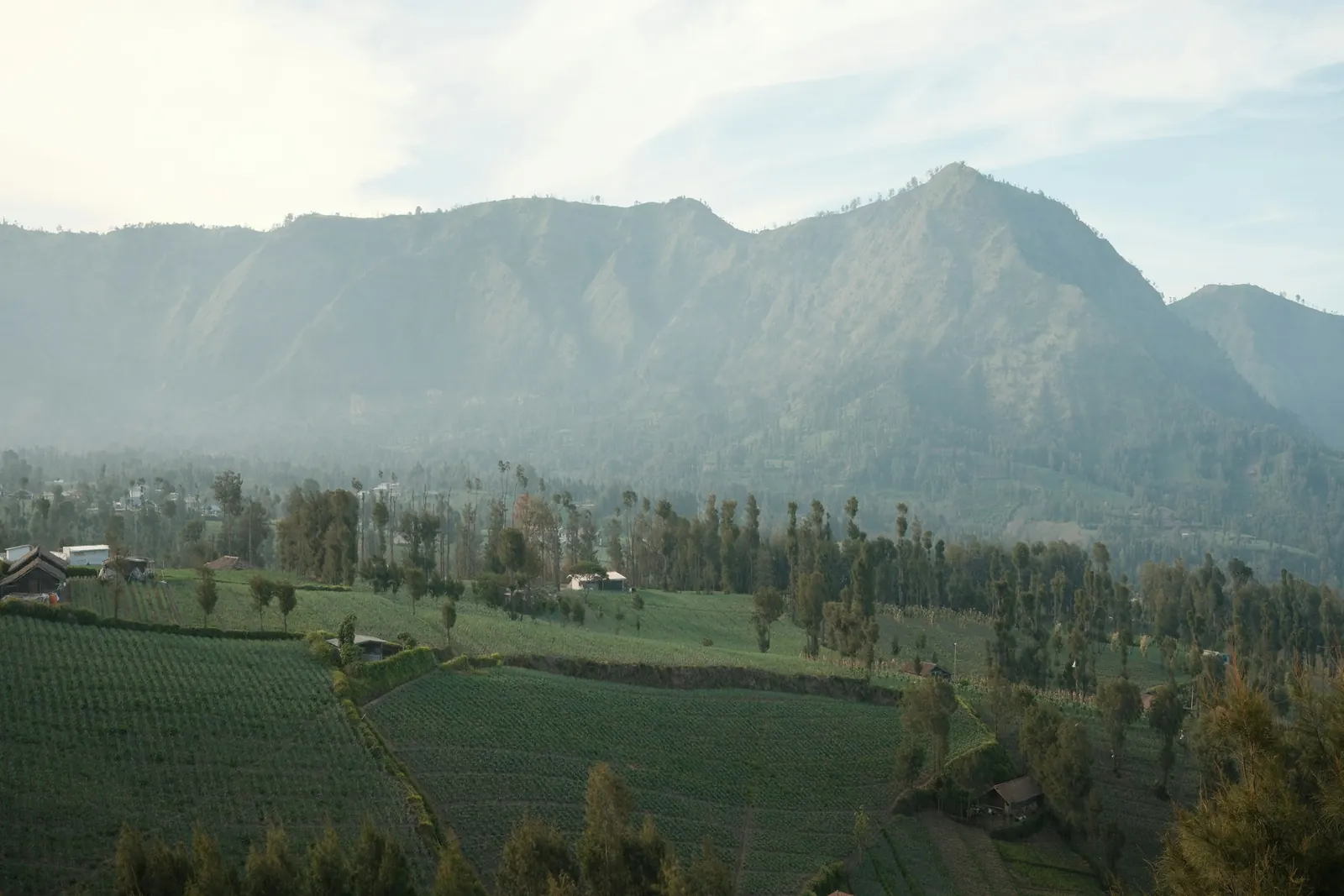
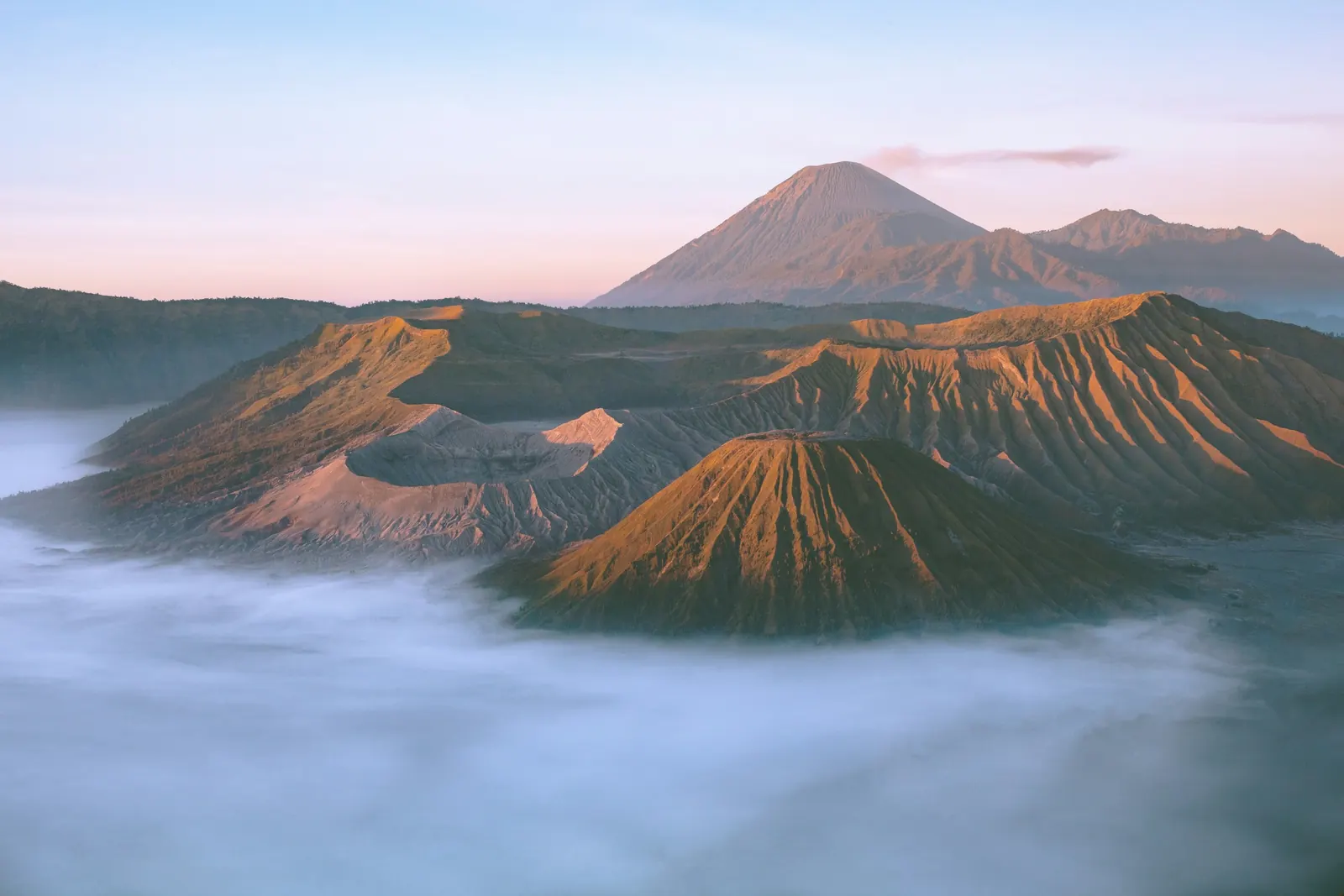
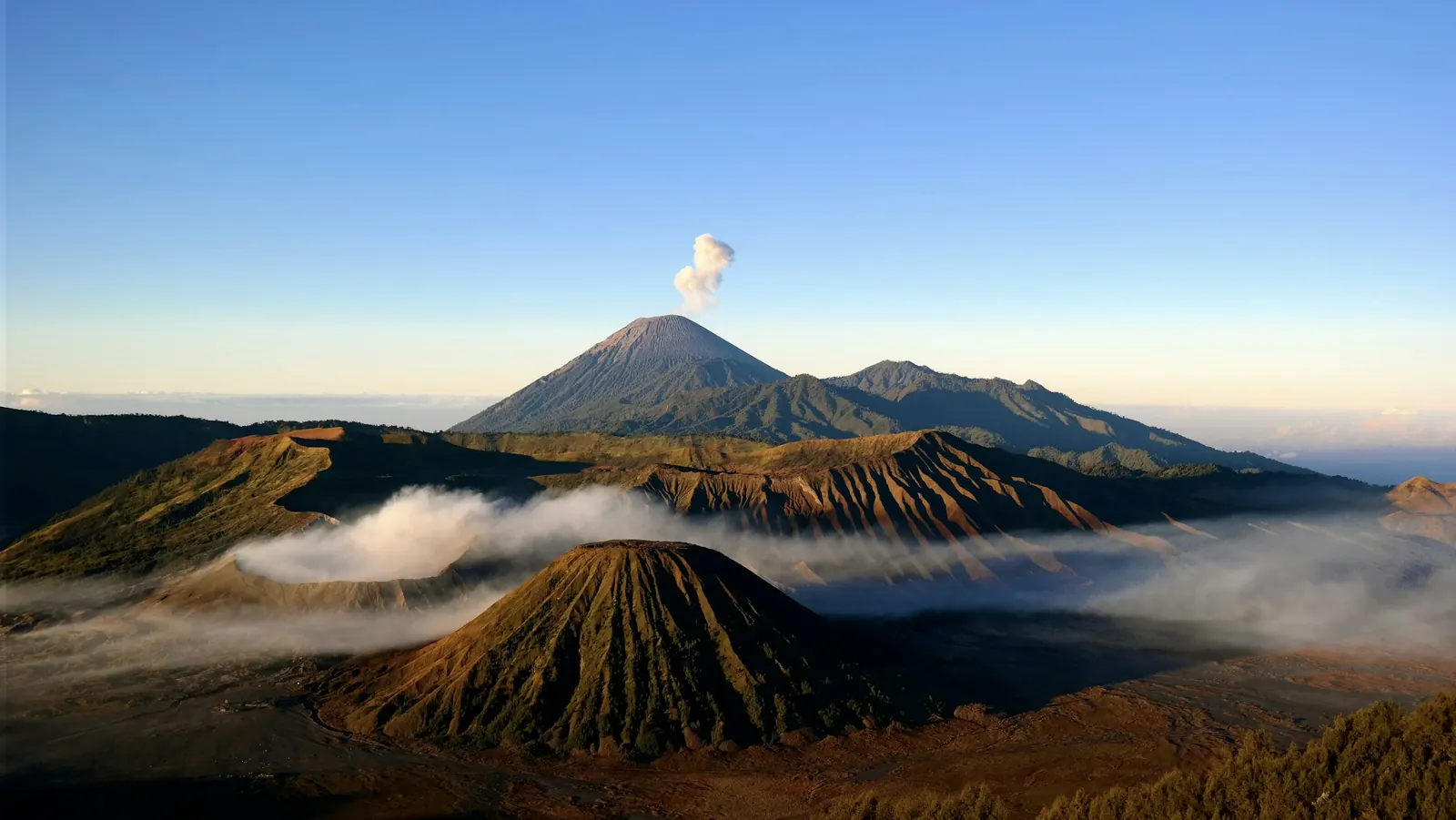
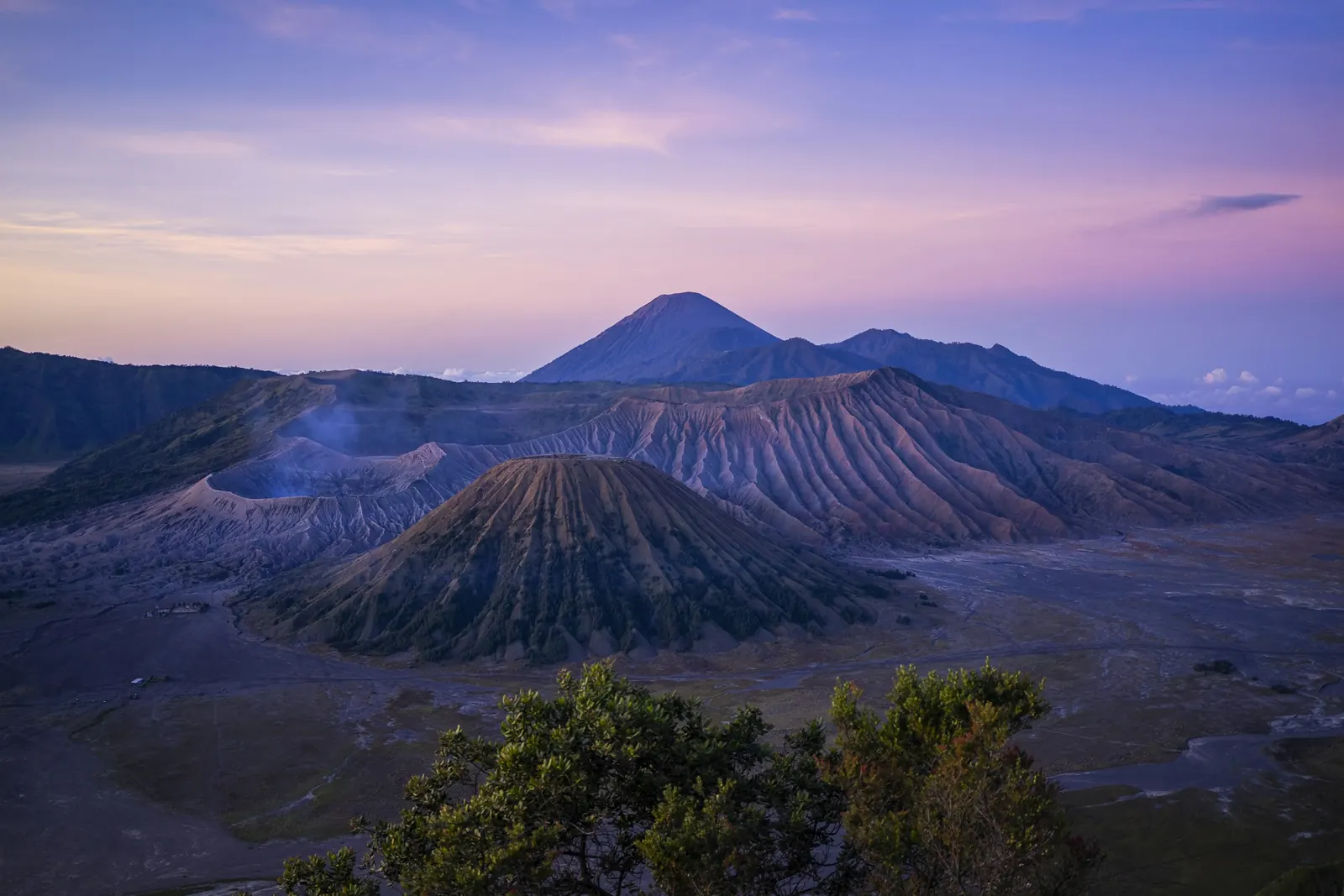
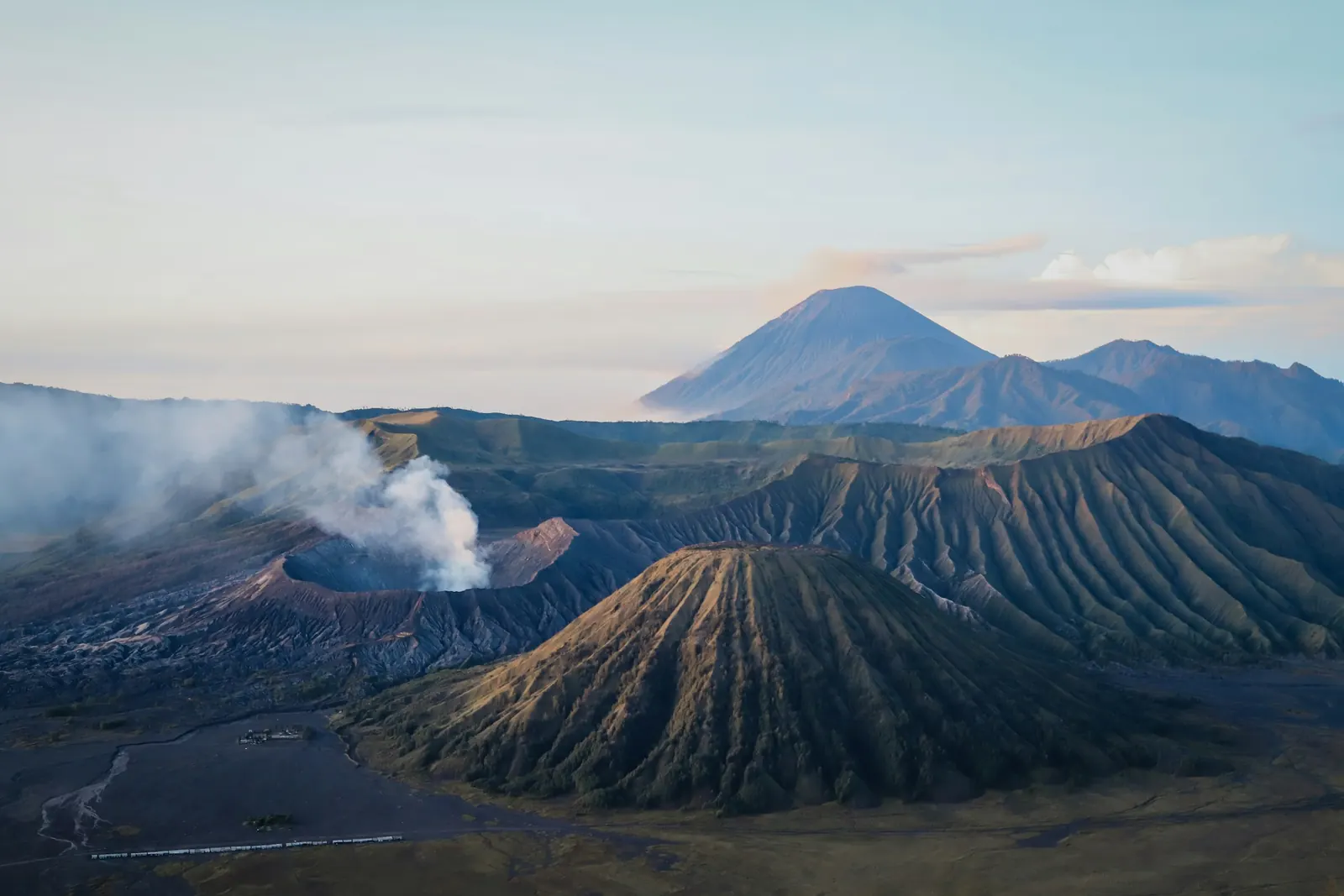
Mount Bromo, a revered active volcano in East Java, draws visitors from across the globe with its iconic sunrise views and dramatic landscapes. The experience is undeniably powerful: the pre-dawn drive, the cold morning air, the panoramic sweep of the Tengger caldera, and the raw power of the crater. But like any journey into a natural environment, preparation is essential. We’re here to explain the real risks—from altitude effects to chilly mornings—and how a well-planned trip with licensed local guides mitigates these concerns, making your `mount bromo tour safe altitude sickness` a non-issue.
Understanding Altitude at Mount Bromo
Many travellers ask, `is mount bromo high altitude elevation`? While Bromo is certainly elevated, it’s important to frame it correctly. It’s considered moderate altitude, not extreme high altitude. The highest point you’ll typically reach for sunrise is Penanjakan 1, which sits at approximately 2,770 meters (9,088 feet) above sea level. The Bromo crater rim itself is around 2,329 meters (7,641 feet). The Sea of Sand, which you cross by jeep, is lower, at roughly 2,100 meters (6,890 feet).
These elevations are significant enough that some individuals might feel mild effects of altitude, especially if arriving directly from sea level. However, for most people, the adjustment is manageable with proper hydration and pacing.
Bromo Tour Altitude Sickness Symptoms & Treatment
Altitude sickness, or Acute Mountain Sickness (AMS), occurs when your body doesn’t adapt well to the lower oxygen levels found at higher elevations. The symptoms are generally mild at Bromo’s altitude and often include:
- Headache: The most common symptom, often described as a dull throb.
- Nausea or Loss of Appetite: Some individuals might feel slightly queasy.
- Fatigue: Feeling more tired than usual.
- Dizziness: A slight lightheadedness.
It’s crucial to distinguish these mild, common symptoms from severe altitude sickness, which is very rare at Bromo’s elevation. If you experience severe shortness of breath, confusion, or a persistent cough, seek medical attention immediately.
What to do if you feel mild symptoms:
- Hydrate: Drink plenty of water. Dehydration can worsen altitude symptoms.
- Pace Yourself: Avoid strenuous activity upon arrival. Walk slowly, especially during the ascent to the sunrise viewpoint or the crater rim.
- Avoid Alcohol and Caffeine: These can dehydrate you and disrupt sleep, potentially exacerbating symptoms.
- Rest: Get adequate sleep before and during your trip.
For most visitors, these simple measures are enough to manage any mild discomfort. Our tours are structured to allow for reasonable acclimatization, with overnight stays typically in Cemoro Lawang or nearby villages, which are themselves at an elevation of around 2,200 meters.
Important Medical Disclaimer: This information is for general awareness and trip planning, not medical advice. If you have pre-existing medical conditions such as heart disease, respiratory issues, are pregnant, or have a known sensitivity to altitude, please consult a licensed doctor before planning your Mount Bromo tour. They can provide personalized advice and discuss prophylactic medications if necessary.
Conquering the Cold: `What to Wear Mount Bromo Sunrise Cold`
The Bromo sunrise experience begins long before the sun actually crests the horizon. You’ll depart your accommodation in the dark, often around 3:00-3:30 AM, for the jeep journey to the viewpoint. At these early hours and high elevations, temperatures drop significantly.
Expect temperatures at the Penanjakan viewpoints to range from 0°C to 10°C (32°F to 50°F), particularly during the dry season (May to October). Even in the warmer wet season, it can be surprisingly chilly, especially with wind chill. Many travellers underestimate this cold, leading to discomfort that distracts from the incredible views.
Essential Layers for Mount Bromo
The key to staying warm is layering. You’ll be relatively warm in the jeep, but exposed to the elements at the viewpoint for an hour or more.
- Base Layer: A long-sleeved thermal shirt and thermal leggings. These wick away moisture and provide foundational warmth.
- Mid-Layer: A fleece jacket or warm sweater. This provides insulation.
- Outer Layer: A windproof and waterproof (or at least water-resistant) jacket. This protects against wind chill and any unexpected light rain.
- Bottoms: Warm trousers. Jeans are generally not recommended as they offer poor insulation when wet and take a long time to dry. Hiking trousers or quick-dry pants are better.
- Headwear: A warm hat or beanie is critical. A significant amount of body heat is lost through the head.
- Gloves: Essential for keeping your hands warm, especially if you plan to take photos.
- Socks: Thick, warm socks (wool or synthetic) are far superior to thin cotton socks.
- Footwear: Comfortable, closed-toe walking shoes or hiking boots with good grip. You’ll be walking on uneven terrain.
You can shed layers as the sun rises and temperatures gradually increase, making your descent and crater trek more comfortable. Don’t let the cold be one of your `mount bromo tour mistakes to avoid`.
Navigating the Crater Rim and Volcanic Gas
After sunrise, the Bromo jeep tour continues across the vast Sea of Sand to the base of Mount Bromo itself. A walk and then a climb up a concrete staircase lead you to the crater rim, where you can peer into the active volcano. This is an exhilarating experience, but it requires adherence to specific safety guidelines.
Mount Bromo Volcanic Gas Crater Safety
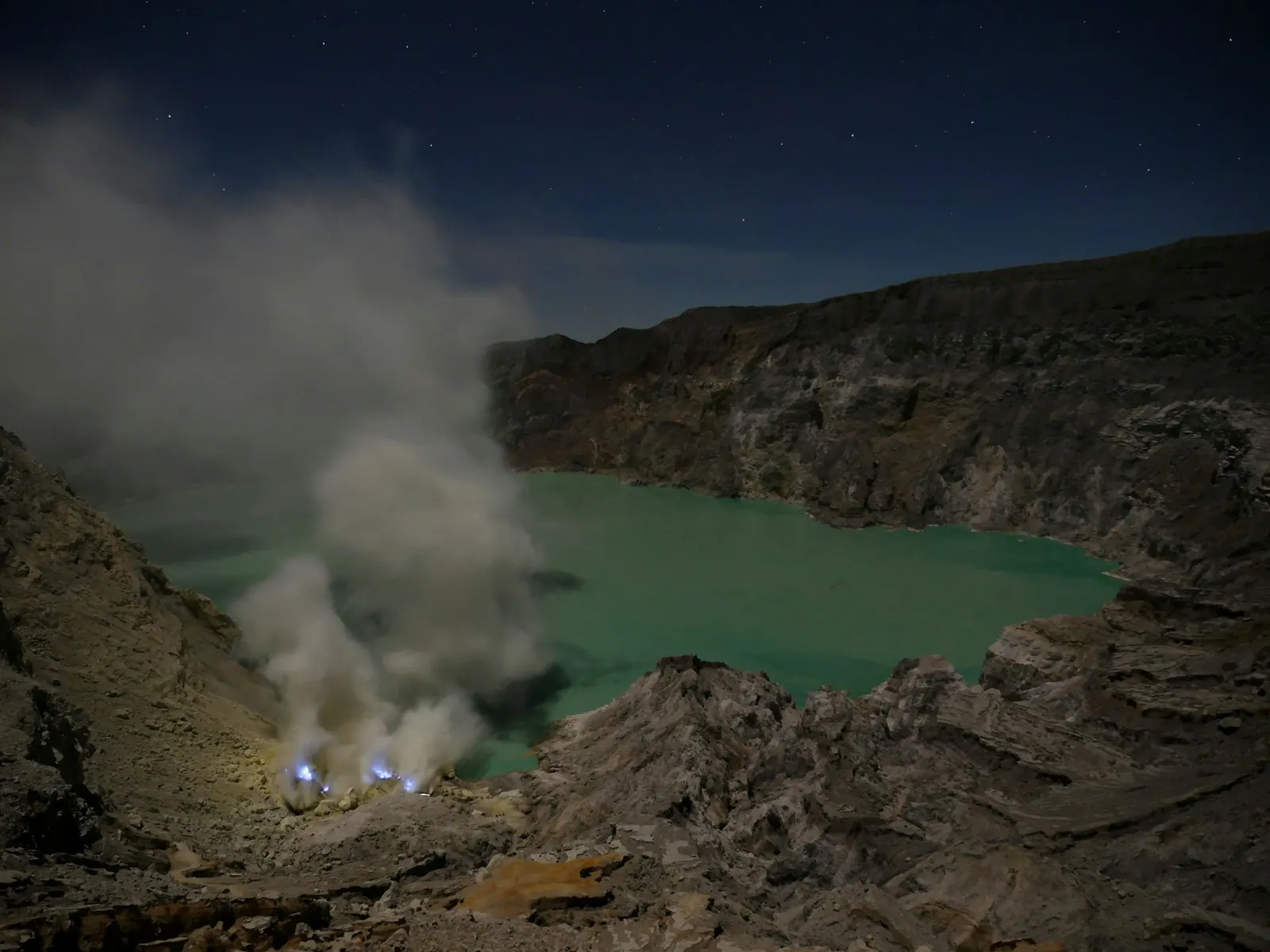
Mount Bromo is an active volcano, and as such, it periodically emits volcanic gases, primarily sulfur dioxide. While generally not harmful in open air and short exposure, strong concentrations can be irritating to the respiratory system and eyes.
- Observe Wind Direction: Your guide will advise on the safest areas to stand. The wind plays a crucial role in dispersing gases. If the wind is blowing gases directly towards the viewing area, it’s best to keep your distance.
- Wear a Mask: Many travellers bring simple face masks (like surgical masks or even a bandana) to cover their mouth and nose. This helps filter out some of the particulate matter and reduces irritation from the sulfur smell.
- Short Exposure: Do not linger for extended periods directly on the crater rim, especially if gases are strong. Enjoy the view, take your photos, and then move to a less exposed area.
- Listen to Your Guide: Licensed local guides are intimately familiar with Bromo’s conditions and will provide real-time advice on `mount bromo volcanic gas crater safety`. Their instructions are paramount.
Crater Rim Edge Safety
The path around the crater rim is narrow in places and does not have railings for its entire length. It’s a natural, rugged environment.
- Stay on the Designated Path: Do not venture off the main pathway. The edges can be unstable and crumbly.
- Watch Your Step: The path can be dusty, loose, and uneven. Pay attention to where you are walking.
- Avoid Crowding: If it’s busy, be patient. Do not push or rush, especially near the edge.
- Supervise Children: Keep a close eye on children at all times on the crater rim.
The Bromo Jeep Tour: `Bromo Jeep Tour Safety`
The iconic 4×4 jeep is an integral part of the Bromo experience, transporting you across the lunar-like Sea of Sand to the sunrise viewpoint and then to the base of the volcano. While generally very safe, understanding the dynamics of the `bromo jeep tour safety` contributes to a smooth trip.
Jeep Vehicle and Road Conditions
The jeeps are typically open-top (or have removable canvas tops) and designed for the rugged terrain of the Tengger caldera. The “roads” across the Sea of Sand are not paved; they are sandy tracks, sometimes bumpy and uneven.
- Experienced Drivers: Licensed jeep drivers are highly experienced in navigating these unique conditions, often driving these routes multiple times a day. They know the terrain intimately.
- Stay Seated: Always remain seated while the jeep is in motion. The ride can be bouncy, and standing increases your risk of falling.
- Hold On: Use the available grab handles or bars, especially when traversing rougher sections.
- Visibility: In the pre-dawn darkness, visibility can be low. Trust your driver, who is accustomed to these conditions.
- Dust: When crossing the Sea of Sand, especially in the dry season, it can be very dusty. A bandana or mask can be useful to cover your mouth and nose.
Reputable tour operators like Bali Premium Trip partner with local jeep cooperatives that maintain their vehicles and employ licensed, experienced drivers, prioritizing your `bromo jeep tour safety`.
Mitigating a “Failed” Sunrise: `Bromo Sunrise Failure Overcast Weather`
One of the most common `mount bromo tour mistakes to avoid` is having unrealistic expectations about the weather. While we all hope for that perfect, fiery sunrise, nature doesn’t always cooperate. `Bromo sunrise failure overcast weather` is a possibility, and it’s important to be prepared for it psychologically.
Honesty About Weather Variability
Mount Bromo’s weather, like any mountain environment, can be unpredictable.
- Clear Skies: The dry season (typically May to October) generally offers the best chances for clear skies and spectacular sunrises.
- Overcast Days: During the wet season (November to April), cloudy or foggy mornings are more common. There might be rain. Even in the dry season, clouds can roll in unexpectedly.
- Partial Views: Sometimes, you might get a partial view, with clouds obscuring parts of the horizon but still allowing glimpses of the caldera.
What to Do if it’s Overcast
An overcast morning doesn’t mean your trip is ruined.
- Embrace the Atmosphere: The landscape of the Tengger caldera is incredibly dramatic even without direct sunlight. Fog and clouds can create an ethereal, mystical atmosphere that is equally memorable.
- Focus on the Crater: The trek to the Bromo crater rim and peering into the active volcano remains a powerful experience regardless of the sunrise.
- Photography: Cloudy conditions can offer unique opportunities for moody, atmospheric photography.
- Resilience: Acknowledge that you’re in a natural environment. The journey itself, the jeep ride, the hike, and the cultural interaction are all part of the adventure.
We never guarantee weather or perfect visibility. What we do guarantee is a well-organized trip that maximizes your chances for the best possible experience, whatever the conditions.
The Essential Role of Licensed Guides
One of the strongest assurances for `bromo tour safety altitude sickness` prevention and overall trip quality is the involvement of a licensed local guide. Bali Premium Trip partners with vetted, licensed local guides who are experts in the Bromo region.
Mount Bromo Licensed Guides Requirements
Licensed guides in Indonesia are required to pass examinations covering local knowledge, first aid, safety protocols, and responsible tourism practices. They are registered with regional tourism authorities.
- Local Expertise: Your guide possesses intimate knowledge of the area, including the best viewpoints, the safest paths, and the current conditions of the volcano. They understand local customs and regulations.
- Safety Protocols: Guides are trained in basic first aid and emergency procedures. They know how to react to unexpected situations, from a sudden change in weather to someone feeling unwell due due to altitude.
- Permits and Park Rules: Licensed guides ensure all necessary national park permits are in order, helping you comply with regulations and avoid any issues. The Mount Bromo Tengger Semeru National Park charges entrance fees, which for foreign visitors typically range from IDR 220,000 – IDR 320,000 (approx. US$14-20) per person, depending on weekdays or weekends/holidays (last verified June 2026). These fees are usually included in reputable tour packages.
- Language and Culture: Guides bridge language barriers and offer insights into the Tenggerese culture, enriching your experience beyond just the scenery.
Choosing a tour that includes a licensed guide is not just about convenience; it’s a fundamental aspect of `mount bromo tour safety`. Our commitment is to connect you with these experienced local professionals.
Common `Mount Bromo Tour Mistakes to Avoid`
To ensure your Bromo adventure is smooth and enjoyable, be aware of these common missteps:
- Underestimating the Cold and Altitude: As discussed, prepare adequately with layers and give your body time to adjust. Don’t assume tropical Indonesia means it’s warm everywhere.
- Booking Unlicensed or Unverified Operators: Cheap, unvetted tours might cut corners on safety, vehicle maintenance, or guide qualifications. Always choose a reputable operator.
- Ignoring Guide Instructions: Your guide’s advice on safety, timings, and conduct in the national park is based on experience and local conditions. Follow it.
- Not Bringing Proper Gear: Beyond warm clothing, don’t forget essentials like a small backpack for water, snacks, sunscreen, sunglasses, and a power bank for your phone.
- Rushing the Experience: Bromo is not just a photo stop. Take time to absorb the vastness of the caldera, the silence of the pre-dawn, and the raw power of the volcano. Rushing can also exacerbate altitude effects.
- Littering: The national park is a natural wonder. Always carry out everything you carry in.
- Bromo Altitude Reference Points:
-
- Penanjakan 1 (Sunrise Viewpoint): ~2,770m (9,088 ft)
- Mount Bromo Crater Rim: ~2,329m (7,641 ft)
- Sea of Sand: ~2,100m (6,890 ft)
- Cemoro Lawang Village (Accommodation): ~2,200m (7,218 ft)
- Typical Sunrise Viewpoint Temperatures:
- 0°C to 10°C (32°F to 50°F) before dawn.
- Recommended Travel Season:
- May to October (dry season) for best weather and clearest views.
- Typical Bromo Jeep Capacity:
- 4-6 passengers.
Planning Your Trip with Safety in Mind
A well-planned trip is a safe trip. When you plan your Bromo tour through Mount Bromo Tour Package, operated by Bali Premium Trip, you’re choosing a service that prioritizes your well-being and provides transparent information. We arrange expert-guided, private-first experiences, covering everything from Penanjakan sunrise to the Tengger sea of sand, the Bromo crater rim, and Bromo+Ijen combos. We facilitate trips from Bali, Surabaya, Malang, or Probolinggo.
An indicative price range for a private 2-day/1-night Bromo trip from Surabaya or Malang, including private transfers, jeep hire, national park entrance fees, and basic accommodation, might be anywhere from US$180 to US$350 per person (last verified June 2026), depending on accommodation choices, group size, and specific inclusions. Prices vary significantly based on starting point, duration, and whether you combine Bromo with Ijen.
We understand the intricacies of these routes, including transfer times (e.g., typically 3-4 hours from Surabaya to Cemoro Lawang, or 4-5 hours from Malang), jeep hire rates, and national park entrance fees, ensuring you know what a fair price looks like before you book. Our service provides you with the peace of mind that all moving parts are handled by experienced local partners.
Ready to plan your unforgettable and safe Mount Bromo adventure? Our team is here to help you navigate all the details, from logistics to local insights. You can reach out to us directly via WhatsApp for personalized planning assistance.
What are the main safety concerns for a Mount Bromo tour?
The primary safety concerns are managing the cold temperatures at sunrise, adapting to moderate altitude (around 2,400-2,770m), being aware of volcanic gas and crater rim edge safety, and ensuring safe transport during the jeep tour across the Sea of Sand. These are all manageable with proper preparation and a reputable tour operator.
How do I prevent altitude sickness at Mount Bromo?
To prevent altitude sickness, hydrate thoroughly before and during your trip, pace yourself by walking slowly, avoid alcohol and caffeine, and get plenty of rest. Most Bromo tours include an overnight stay in a village at moderate elevation, allowing for some acclimatization. Consult a doctor if you have specific medical concerns.
What should I wear for the Mount Bromo sunrise?
Dress in layers to combat the cold, which can range from 0°C to 10°C (32°F to 50°F). Essential items include thermal base layers, a fleece or warm sweater, a windproof and waterproof outer jacket, warm trousers, a hat, gloves, and thick socks with sturdy, closed-toe shoes.
Is it safe to go to the Mount Bromo crater rim?
Yes, it is generally safe to visit the crater rim if you follow guide instructions and observe safety precautions. Stay on the designated path, be mindful of the narrow and unguarded edges, and use a mask if volcanic gases (primarily sulfur dioxide) are present, especially if the wind is blowing them towards you. Do not linger if gas concentrations are strong.
What if the weather is bad and the sunrise is overcast?
An overcast sunrise is a possibility, especially during the wet season. While it can be disappointing, the Mount Bromo landscape remains dramatic and atmospheric even without direct sunlight. Focus on the unique misty views, the trek to the crater, and the overall adventure. Reputable tours cannot guarantee weather but ensure a well-organized experience regardless.
No one can pay to change what we publish; if you proceed with our partner they may pay us a referral fee at no extra cost to you.